





ScamsNOW!
The SCARS Institute Magazine about Scam Victims-Survivors, Scams, Fraud & Cybercrime



Dehydration and Increased Vulnerability to Scams
Dehydration, the Brain, and Scam Vulnerability: A Physiological and Psychological Analysis
Primary Category: Scam Victim Physiology & Psychology
Author:
• Tim McGuinness, Ph.D., DFin, MCPO, MAnth – Anthropologist, Scientist, Polymath, Director of the Society of Citizens Against Relationship Scams Inc.
Author Biographies Below
About This Article
Dehydration directly affects physiological stability, brain function, emotional regulation, and decision making, creating conditions that increase vulnerability to manipulation and psychological harm. Insufficient fluid intake reduces blood volume, disrupts electrolyte balance, and impairs neural signaling, with early effects appearing in attention, memory, impulse control, and emotional tolerance. As dehydration progresses, prefrontal cortex regulation weakens while amygdala reactivity increases, shifting behavior toward urgency, relief-seeking, and reduced skepticism. These changes amplify susceptibility to scams, prolong entrapment during manipulation, and intensify shock and trauma responses when scams are discovered. Chronic dehydration sustains elevated stress hormones, worsens sleep disruption, and slows cognitive and emotional recovery. Proper hydration supports cerebral perfusion, hormonal balance, and neural repair, making it a foundational factor in judgment, resilience, scam prevention, and post-scam recovery.
Note: This article is intended for informational purposes and does not replace professional medical advice. If you are experiencing distress, please consult a qualified mental health professional.

Dehydration, the Brain, and Scam Vulnerability: A Physiological and Psychological Analysis
Dehydration is often treated as a minor physical inconvenience rather than a serious neurological and psychological risk factor.
In reality, dehydration directly alters brain function, emotional regulation, judgment, impulse control, and stress tolerance.
For individuals experiencing psychological strain, including scam victims, dehydration can quietly amplify vulnerability, impair recovery, and prolong trauma responses. However, it can easily affect all of us at one time or another, and the consequences can be far more than we would think.
This article explains dehydration from a physiological and neurological perspective and examines how it affects cognition, decision making, manipulation susceptibility, and post-scam recovery.
What Dehydration Is and How It Occurs
Dehydration occurs when the body loses more water than it takes in, resulting in insufficient fluid to support normal physiological function. Water is essential for maintaining blood volume, regulating body temperature, transporting nutrients, removing waste, balancing electrolytes, and enabling normal neural signaling. Every cell in the body depends on adequate hydration to function properly. Even mild dehydration disrupts these processes and begins to impair physical and cognitive performance.
Fluid is continuously lost through urine, sweat, breathing, and digestion. Losses increase with heat exposure, physical activity, fever, illness, stress, and the use of certain medications. Dehydration develops when fluid intake does not keep pace with these ongoing losses. While extreme situations such as vomiting or heat illness can cause rapid dehydration, the most common form is gradual and unrecognized. Many people live in a state of chronic mild dehydration without realizing it.
Several everyday factors contribute to this imbalance. Psychological stress plays a significant role by suppressing thirst signals and narrowing attention. When the brain is focused on threat, worry, or emotional strain, interoceptive awareness declines. Signals from the body that indicate thirst, fatigue, or physical need are muted or ignored. As a result, fluid intake decreases even as physiological demand increases. Caffeine and alcohol further increase fluid loss, while certain medications such as antidepressants, blood pressure drugs, and stimulants alter kidney function or thirst perception.
As dehydration progresses, blood volume begins to decline. With less circulating fluid, the cardiovascular system must work harder to deliver oxygen and glucose to tissues. Blood pressure regulation becomes less stable, and perfusion to organs becomes less efficient. The brain is particularly sensitive to these changes. Reduced cerebral blood flow directly affects attention, memory, and emotional regulation.
Electrolyte balance also shifts as water is lost. Sodium, potassium, and other ions become more concentrated in the bloodstream, altering nerve conduction and muscle function. These changes contribute to symptoms such as muscle weakness, cramps, headaches, and mental fatigue. Neural signaling slows and becomes less precise, increasing cognitive effort for tasks that normally feel automatic.
The kidneys respond by conserving water. Urine becomes darker and more concentrated, which increases renal workload and physiological strain. At the same time, heart rate rises to compensate for reduced blood volume. Stress hormones such as cortisol and adrenaline increase as the body attempts to maintain internal stability. This stress response further accelerates fluid loss and worsens dehydration, creating a self-reinforcing cycle.
In moderate dehydration, symptoms such as fatigue, dizziness, dry mouth, irritability, headache, and slowed thinking become noticeable. Emotional tolerance decreases, and minor stressors feel more overwhelming. In more severe dehydration, confusion, emotional instability, impaired consciousness, and organ dysfunction can occur. These outcomes are medical emergencies, but the cognitive and emotional effects begin long before dehydration reaches that stage.
Dehydration is not an on-off condition. It exists along a continuum, and functional impairment begins early. Cognitive effects often appear before physical symptoms are recognized. Because gradual dehydration feels normal over time, many people underestimate its impact. Understanding how dehydration develops is essential for recognizing its role in impaired judgment, emotional instability, and vulnerability during periods of stress and trauma.
It can also result in serious medical conditions: https://scampsychology.org/creatine-kinase-ck-protein/
How Dehydration Affects the Brain
The brain is approximately seventy-five percent water and is highly sensitive to changes in hydration. Even mild dehydration of one to two percent of body weight has measurable effects on brain structure and function.
Reduced blood volume decreases cerebral perfusion. This limits oxygen and glucose availability, which neurons require for energy. The brain compensates by increasing stress signaling, which prioritizes survival over reasoning.
The prefrontal cortex is particularly vulnerable. This region supports executive functions such as planning, impulse control, error detection, and judgment. Dehydration reduces prefrontal efficiency, leading to poorer concentration, reduced inhibition, and difficulty weighing long-term consequences.
Memory systems are also affected. The hippocampus relies on stable hydration for synaptic plasticity and memory consolidation. Dehydration interferes with short-term memory, learning, and recall. This contributes to confusion, repetition, and difficulty tracking complex information.
The amygdala becomes more reactive under dehydration. As hydration decreases, stress hormones increase, lowering the threshold for threat detection. Emotional responses intensify while rational modulation weakens. This imbalance promotes anxiety, fear-based decision-making, and emotional rigidity.
Neurotransmitter balance is also disrupted. Dehydration alters sodium, potassium, and calcium gradients that govern neural firing. This leads to slowed processing speed, reduced cognitive flexibility, and increased mental fatigue.
With long-term gradual dehydration, these effects become persistent. The brain adapts to a stressed baseline, normalizing reduced clarity and heightened reactivity. Individuals may no longer recognize impaired cognition because it feels familiar.
Dehydration, Decision Making, and Risk Taking
Effective decision making depends on the coordinated function of several cognitive systems, including accurate perception, emotional regulation, working memory, impulse control, and the ability to delay gratification. These systems allow a person to assess risk, compare options, anticipate consequences, and regulate emotional responses. Dehydration compromises each of these functions at the same time, creating a state in which judgment becomes less reliable even when a person believes they are thinking clearly.
The prefrontal cortex plays a central role in executive control. It supports planning, inhibition of impulses, error detection, and long-term reasoning. Dehydration reduces blood flow and metabolic efficiency in this region, lowering its capacity to regulate behavior. When prefrontal control weakens, the brain becomes less able to pause before acting or to weigh competing options. Decisions shift from reflective evaluation to immediate response. Individuals become more likely to choose what feels relieving or familiar rather than what is objectively safer.
As prefrontal regulation declines, reliance on cognitive shortcuts increases. Heuristics and biases fill the gap left by reduced analytical capacity. These shortcuts allow the brain to conserve energy, but at the cost of accuracy. People become more prone to accept information at face value, overestimate positive outcomes, or assume that previous success guarantees future safety. In this state, skepticism requires effort that the dehydrated brain is less able to provide.
At the same time, dehydration heightens amygdala reactivity. The amygdala monitors threat and emotional salience. When hydration is low, stress hormones rise, and the threshold for threat detection drops. Emotional responses become stronger and more urgent, while tolerance for uncertainty decreases. This pushes decision-making toward relief-seeking behaviors. People are more likely to agree, comply, or take risks if doing so reduces discomfort, anxiety, or social tension in the moment.
Memory systems are also affected. Working memory capacity declines under dehydration, making it harder to hold multiple pieces of information in mind. Long term memory retrieval becomes less reliable, reducing the ability to draw on past experiences when evaluating current situations. Warning signs may be overlooked or dismissed because they are not fully integrated into the decision process. Patterns that would normally be obvious become fragmented or forgotten, leading to inconsistent or contradictory behavior.
Mental fatigue further compounds these effects. Dehydration increases the subjective effort required for thinking. Tasks that normally feel manageable become exhausting. As cognitive load increases, motivation to verify information, ask questions, or delay decisions declines. The brain seeks efficiency by defaulting to familiar narratives, authoritative-sounding sources, or emotionally reassuring explanations. This tendency increases susceptibility to persuasion and reduces resistance to pressure.
Importantly, these changes often occur without conscious awareness. Individuals may feel confident in their decisions even as cognitive safeguards are compromised. Dehydration does not directly cause poor decisions, but it removes the structural supports that normally protect against error. When combined with stress, urgency, or emotional manipulation, this state significantly increases risk-taking and vulnerability. Restoring hydration helps reestablish cognitive balance, emotional regulation, and the capacity for deliberate choice.
Dehydration and Increased Vulnerability to Scams
Dehydration plays a subtle but significant role in increasing vulnerability to scams by weakening the cognitive and emotional systems that normally protect individuals from manipulation. Scammers rely on attention capture, emotional engagement, urgency, and trust distortion. Dehydration creates a physiological environment in which these tactics become more effective, even in individuals who are otherwise cautious and well-informed.
One of the most important effects of dehydration is reduced attentional control. Sustained attention requires adequate cerebral blood flow and metabolic support. When hydration is low, attention becomes fragmented and easily diverted. Scam communications often exploit this by presenting information in emotionally charged or rapidly shifting ways. A dehydrated brain is less able to maintain focus, detect inconsistencies, or follow complex reasoning. As a result, misleading narratives feel coherent even when they are not.
Dehydration also increases suggestibility. As cognitive energy declines, the brain becomes more dependent on external cues to guide interpretation. Tone of voice, perceived authority, social validation, and emotional framing carry more weight. Scammers often present themselves as experts, authority figures, or emotionally invested partners. In a dehydrated state, these cues are processed with less critical filtering, making false claims feel credible.
Emotional regulation is another key factor. Dehydration heightens stress hormone levels and lowers tolerance for uncertainty. This increases emotional reactivity and urgency. Scam tactics that create time pressure or threaten loss become more compelling because the dehydrated brain prioritizes immediate emotional relief over careful evaluation. Agreeing, complying, or continuing engagement feels like the fastest way to reduce discomfort.
Trust calibration is also impaired. Normally, trust decisions are moderated by past experience, contextual awareness, and ongoing evaluation. Dehydration disrupts memory integration and risk assessment, leading to overgeneralization. A scammer who appears kind, consistent, or familiar may be trusted too quickly. Conversely, legitimate warning signs may be discounted as overly pessimistic or stressful to consider.
Social isolation further magnifies these effects. Many scams involve prolonged communication that replaces real-world interaction. Dehydration contributes to fatigue, withdrawal, and reduced social engagement, increasing reliance on the scammer as a primary source of connection. Emotional dependency deepens as internal stability declines.
Importantly, dehydration also reduces the likelihood that a person will seek verification or outside input. Reaching out requires energy, initiative, and tolerance for uncertainty. When hydration is low, these capacities diminish. Victims may delay asking questions, avoid sharing concerns, or ignore intuitive doubts because doing so feels overwhelming.
Dehydration does not make someone gullible. It quietly removes the cognitive resilience that allows skepticism, patience, and boundary maintenance. In combination with stress and manipulation, it increases the likelihood that a scam will take hold and persist. Addressing hydration is, therefore, a practical and often overlooked component of scam prevention and recovery.
Dehydration During the Course of a Scam
Scammers rely on sustained cognitive pressure, emotional manipulation, urgency, and isolation. Dehydration quietly supports these tactics.
During a scam, victims often experience sleep disruption, anxiety, shame, and hyperfocus. These states suppress thirst awareness. Victims may forget to drink, intentionally restrict intake, or consume dehydrating substances such as caffeine or alcohol.
As dehydration progresses, emotional regulation weakens and dependency increases. Victims become more suggestible and less capable of resisting pressure. Scammer narratives feel more compelling because cognitive fatigue reduces counter-analysis.
Urgency tactics are more effective when hydration is low. Dehydration amplifies stress responses, making deadlines feel more threatening and decisions feel more urgent. The ability to slow down diminishes.
Manipulative bonding also strengthens. Emotional reliance on the scammer increases as internal stability decreases. Dehydration contributes to the sense of being trapped by reducing cognitive flexibility and resilience.
Over time, dehydration reinforces the closed loop of manipulation. The victim feels increasingly overwhelmed, confused, and emotionally dependent, while physiological resources for resistance decline.
Dehydration After Scam Discovery and Trauma
When a scam is discovered, the body commonly enters a state of acute psychological and physiological shock. This response is not metaphorical. It is a real neurobiological event marked by sudden activation of the sympathetic nervous system, rapid stress hormone release, and disruption of normal cognitive processing. Dehydration at this stage significantly intensifies both the physical and psychological impact of the shock response.
Shock following scam discovery often includes surges of cortisol and adrenaline as the brain interprets the situation as a threat to safety, identity, and survival. Heart rate increases, blood pressure fluctuates, and attention narrows. Dehydration amplifies this stress response by reducing blood volume and impairing the body’s ability to regulate these changes. Cortisol remains elevated for longer periods because hydration is necessary for metabolic clearance and hormonal balance. Prolonged cortisol exposure increases emotional volatility and reduces the brain’s capacity to return to baseline.
Emotionally, dehydration worsens the intensity and duration of acute reactions. Panic becomes more severe, despair feels deeper, and anger is more easily triggered. Emotional regulation requires adequate hydration to support neurotransmitter balance and prefrontal cortex function. When hydration is low, emotional impulses override rational modulation. Dissociative responses may also increase as the brain attempts to protect itself from overwhelming input, further disconnecting the victim from their ability to process information and seek help.
Cognitive impairment becomes more pronounced during this period. Scam discovery requires complex tasks such as understanding what happened, documenting details, communicating with institutions, and making urgent financial decisions. Dehydration reduces working memory, attention, and processing speed, making these tasks feel confusing and exhausting. Instructions may be misunderstood or forgotten. Important steps may be delayed or avoided because cognitive effort feels overwhelming. This can lead to missed opportunities for recovery or protection.
Physical symptoms of shock are also affected by hydration status. Dizziness, nausea, headaches, palpitations, and weakness are common after scam discovery. Dehydration exacerbates each of these symptoms by impairing circulation and electrolyte balance. These physical sensations reinforce fear and panic, creating a feedback loop that sustains distress. Victims may misinterpret these symptoms as signs of a medical crisis, further increasing anxiety.
Sleep disruption is another critical factor. Shock often produces insomnia, nightmares, and fragmented sleep. Dehydration worsens sleep quality by increasing nighttime cortisol levels, muscle cramps, and dry mouth. Poor sleep impairs emotional processing and memory consolidation, slowing recovery from trauma. Each night of disrupted sleep prolongs cognitive impairment and emotional instability, making daytime functioning more difficult.
Over time, if dehydration remains unaddressed, the body may settle into a chronically stressed state. Baseline cortisol levels remain elevated, emotional reactivity stays high, and cognitive fatigue persists. This physiological state supports rumination, hopelessness, and despair. Trauma symptoms such as intrusive thoughts, hypervigilance, and emotional numbing become more entrenched. Recovery feels stalled, not because healing is impossible, but because the brain lacks the physiological conditions needed to repair and recalibrate.
Proper hydration supports every stage of post-scam recovery. Adequate fluid intake improves cerebral blood flow, supports neurotransmitter balance, and aids hormonal regulation. It reduces physical symptoms that amplify fear and helps restore sleep quality. Hydration alone does not resolve trauma, but it creates the biological stability necessary for emotional regulation, cognitive clarity, and psychological healing. Without attention to hydration, recovery efforts are significantly undermined, and the impact of trauma is unnecessarily prolonged.
How to Determine Dehydration
Self-observation indicators include persistent thirst as well as reduced thirst, dark yellow urine, reduced urination, dry mouth, dry skin, dizziness, headaches, fatigue, irritability, difficulty concentrating, and muscle cramps. Morning urine color is a particularly reliable indicator.
Behavioral signs include increased confusion, emotional volatility, reduced patience, and slowed thinking, especially under stress.
Medical assessment may include serum osmolality, urine specific gravity, blood urea nitrogen to creatinine ratio, electrolyte panels, and kidney function tests. No single test is definitive, but patterns provide reliable information.
A clinician can evaluate hydration status in the context of symptoms, medications, and health conditions.
What Proper Hydration Really Is
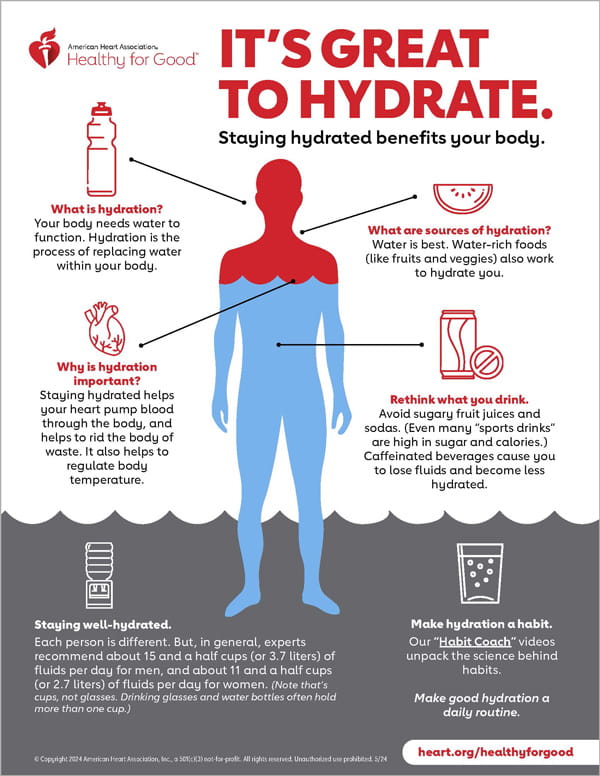
Proper hydration means maintaining fluid intake sufficient to support normal physiological and cognitive function without disrupting electrolyte balance.
General guidance suggests approximately 30 to 35 milliliters of fluid per kilogram of body weight per day under normal conditions. This includes fluids obtained from food as well as beverages.
Expressed in imperial measurements, this is approximately 0.5 to 0.6 fluid ounces of fluid per pound of body weight per day.
For practical reference, this means:
- A person weighing 55 kilograms (120 pounds) typically needs about 1.65 to 1.9 liters per day, or 60 to 72 fluid ounces
- A person weighing 68 kilograms (150 pounds) typically needs about 2.0 to 2.4 liters per day, or 75 to 90 fluid ounces
- A person weighing 82 kilograms (180 pounds) typically needs about 2.45 to 2.9 liters per day, or 90 to 108 fluid ounces
- A person weighing 91 kilograms (200 pounds) typically needs about 2.7 to 3.2 liters per day, or 100 to 120 fluid ounces
These values represent baseline hydration needs for healthy adults in temperate conditions. Fluid requirements increase with heat exposure, physical activity, illness or fever, psychological stress, and the use of medications that affect fluid balance.
Hydration should be spread throughout the day. Waiting until thirst is strong often means dehydration is already present.
Overhydration occurs when excessive water intake dilutes electrolytes, particularly sodium. Symptoms include nausea, headache, confusion, swelling, and in severe cases, neurological impairment. Balanced intake that includes electrolytes when needed prevents this risk.
Clear to pale yellow urine is a practical target for most adults.
What Else Is Important to Know
Hydration is not only about water. Electrolytes matter. Chronic stress increases sodium loss through urine. Diet and medical conditions influence needs.
Caffeine and alcohol increase fluid loss. Trauma survivors often rely on these substances, unintentionally worsening dehydration.
Hydration supports medication effectiveness and reduces side effects. Many psychiatric medications increase dehydration risk.
Hydration improves cognitive clarity, emotional regulation, and stress tolerance. It is a foundational intervention that supports every aspect of recovery.
How Everyday Beverages and Sweeteners Affect Hydration
Hydration is influenced not only by how much fluid a person drinks, but also by what that fluid contains. Many commonly consumed beverages affect fluid balance, electrolyte regulation, kidney function, and thirst signaling in ways that are often misunderstood. For individuals under stress or recovering from trauma, these effects can quietly worsen dehydration even when total fluid intake appears adequate.
Caffeinated beverages
Coffee, tea, energy drinks, and many sodas contain caffeine, which has mild diuretic properties. In habitual caffeine users, this effect is smaller than commonly believed, but it does not disappear. Caffeine increases urine output, raises heart rate, and stimulates cortisol release. Under conditions of stress, anxiety, or sleep deprivation, caffeine magnifies sympathetic nervous system activation and increases fluid loss.
Coffee and strong tea contribute fluid, but they do not hydrate as efficiently as water. Large amounts can suppress thirst awareness, leading to delayed fluid replacement. Energy drinks are especially problematic because they combine high caffeine doses with sugar or artificial sweeteners, which increase osmotic load and further strain hydration regulation.
Energy drinks
Energy drinks are among the most dehydrating commonly consumed beverages. They typically contain high caffeine, concentrated sugars or sugar substitutes, sodium imbalance, and stimulant additives. These combinations increase urine output, elevate stress hormones, and disrupt electrolyte balance. Energy drinks also encourage overconsumption by masking fatigue rather than restoring physiological capacity. For scam victims experiencing cognitive stress, energy drinks often worsen brain fog, irritability, and emotional reactivity.
Sodas
Sugary sodas contribute fluid but reduce effective hydration. High sugar concentrations slow gastric emptying and draws water into the digestive tract, temporarily reducing circulating fluid availability. Phosphoric acid and caffeine in many sodas further increase renal fluid loss. Diet sodas avoid sugar but introduce artificial sweeteners that affect hydration signaling.
Artificial sweeteners
Artificial sweeteners such as aspartame, sucralose, and saccharin do not hydrate effectively. They stimulate sweet taste receptors without providing calories, which can disrupt insulin signaling and thirst regulation. Some research suggests they may increase urine output and alter gut signaling related to fluid balance. Many people mistakenly count diet beverages as full hydration, which often leads to chronic mild dehydration.
Natural sweeteners
Honey, maple syrup, and small amounts of glucose can support hydration when used appropriately. Glucose enhances sodium and water absorption in the intestines, which is why oral rehydration solutions contain small amounts of sugar. However, excessive natural sweeteners still increase osmotic load and should be limited.
Fruit juices and flavored drinks
Fruit juices contain water but also high sugar concentrations. Diluted juice can support hydration, but undiluted juice often worsens dehydration during stress or illness. Flavored waters with minimal sugar and electrolytes can be helpful if they encourage consistent intake.
Practical guidance
Water remains the most reliable hydration source. Unsweetened herbal teas, diluted electrolyte solutions, and water rich foods support hydration without excessive strain. Caffeinated and sweetened beverages should be viewed as supplements or stimulants, not primary hydration sources. For individuals recovering from scams or trauma, reducing reliance on caffeine and energy drinks often leads to noticeable improvements in clarity, mood stability, and cognitive endurance.
Hydration is cumulative and behavioral. Choosing beverages that support rather than undermine fluid balance is a critical but often overlooked component of neurological and psychological recovery.
Conclusion
Dehydration is a silent but powerful contributor to cognitive impairment, emotional instability, and decision-making vulnerability. Its effects on the brain directly intersect with the mechanisms scammers exploit and the challenges scam victims face during recovery. Adequate hydration is not a cure, but it is a prerequisite for clear thinking, emotional regulation, and resilience. For individuals affected by scams and psychological trauma, restoring hydration is one of the most accessible and impactful steps toward safety and healing.

Glossary
- Adrenaline — A stress hormone released during perceived threat that increases heart rate and alertness. Dehydration prolongs adrenaline activity by impairing metabolic clearance, which intensifies anxiety and urgency.
- Amygdala Reactivity — Increased sensitivity of the brain’s threat detection center. Dehydration lowers the threshold for emotional responses, making fear and urgency more dominant in decision-making.
- Attention Fragmentation — Reduced ability to sustain focus on a single task or stream of information. Dehydration impairs cerebral perfusion, leading to distraction and missed warning cues.
- Baseline Stress State — A chronically elevated level of physiological stress. Long-term dehydration can normalize this state, making heightened arousal feel ordinary.
- Blood Volume Reduction — A decrease in circulating fluid within the bloodstream. This limits oxygen and glucose delivery to the brain and worsens cognitive performance.
- Cerebral Perfusion — The flow of blood to brain tissue. Dehydration reduces perfusion, directly affecting thinking speed and clarity.
- Cognitive Fatigue — Mental exhaustion that reduces analytical capacity. Dehydration increases the effort required for thinking, accelerating fatigue.
- Cognitive Flexibility — The ability to shift perspectives or adapt to new information. Dehydration reduces this capacity, increasing rigidity in thinking.
- Cognitive Load — The total mental effort required to process information. Dehydration increases cognitive load, making complex decisions harder to manage.
- Cortisol Elevation — Prolonged release of a stress hormone involved in threat response. Dehydration delays cortisol clearance, extending emotional instability.
- Decision Paralysis — Difficulty making choices due to overload or confusion. Dehydration worsens this by impairing working memory and focus.
- Dissociative Response — A psychological state marked by emotional detachment or numbness. Dehydration can intensify dissociation during shock or trauma.
- Electrolyte Concentration Shift — Changes in sodium, potassium, and calcium levels caused by fluid loss. These shifts disrupt neural signaling and muscle function.
- Emotional Dysregulation — Reduced ability to modulate emotional reactions. Dehydration weakens prefrontal control over emotional centers.
- Emotional Urgency — A heightened need to resolve discomfort quickly. Dehydration amplifies this state, increasing compliance and risk taking.
- Executive Function — Higher-order cognitive processes such as planning and inhibition. Dehydration impairs these functions, reducing judgment quality.
- Fluid Balance — The equilibrium between fluid intake and loss. Chronic imbalance leads to cumulative physiological strain.
- Gradual Dehydration — Slow fluid loss that occurs without obvious symptoms. It is the most common and often unrecognized form of dehydration.
- Heuristic Reliance — Increased dependence on mental shortcuts. Dehydration encourages this reliance by reducing analytical capacity.
- Hippocampal Function — Brain processes related to memory formation and recall. Dehydration interferes with short-term memory and learning.
- Hyperfocus — Narrowed attention on emotionally salient information. Dehydration supports hyperfocus by reducing broader situational awareness.
- Impulse Control — The ability to delay immediate reactions. Dehydration weakens this control, increasing reactive behavior.
- Interoceptive Awareness — Sensitivity to internal bodily signals such as thirst and fatigue. Stress and dehydration both suppress this awareness.
- Judgment Impairment — Reduced ability to assess risk and consequences. Dehydration removes cognitive safeguards that support sound judgment.
- Manipulation Susceptibility — Increased responsiveness to influence tactics. Dehydration enhances this susceptibility by weakening skepticism.
- Memory Integration — The ability to use past experiences in current decisions. Dehydration disrupts this process, leading to repeated errors.
- Mental Processing Speed — The rate at which information is understood and evaluated. Dehydration slows processing, increasing confusion.
- Neural Signaling Efficiency — The accuracy and speed of communication between neurons. Dehydration disrupts electrolyte gradients needed for signaling.
- Physiological Shock — An acute stress response involving sudden autonomic activation. Dehydration intensifies shock symptoms and prolongs recovery.
- Prefrontal Cortex Regulation — The brain’s capacity to control emotions and impulses. Dehydration reduces prefrontal efficiency.
- Psychological Shock — Sudden emotional destabilization following traumatic discovery. Dehydration worsens severity and duration.
- Risk Assessment — The evaluation of potential harm versus benefit. Dehydration impairs this process by narrowing perspective.
- Rumination — Repetitive negative thinking patterns. Chronic dehydration supports rumination by sustaining stress physiology.
- Sleep Fragmentation — Disrupted sleep marked by frequent awakenings. Dehydration increases nighttime arousal and discomfort.
- Social Withdrawal — Reduced engagement with others. Dehydration contributes to fatigue and isolation, increasing reliance on manipulators.
- Stress Hormone Clearance — The metabolic removal of cortisol and adrenaline. Adequate hydration is required for efficient clearance.
- Suggestibility — Increased openness to external influence. Dehydration lowers resistance to persuasive cues.
- Thirst Suppression — Reduced perception of thirst despite fluid need. Stress and trauma commonly produce this effect.
- Trauma Consolidation — The process by which traumatic memories become embedded. Dehydration may intensify consolidation by sustaining stress states.
- Urine Concentration — Increased density and darkness of urine due to kidney conservation. It is a common indicator of dehydration.
- Working Memory Capacity — The ability to hold information temporarily for decision making. Dehydration reduces this capacity, impairing reasoning.
Author Biographies
-/ 30 /-
What do you think about this?
Please share your thoughts in a comment below!
One Comment
Leave A Comment
TABLE OF CONTENTS







CATEGORIES
ARTICLE META
Important Information for New Scam Victims
- Please visit www.ScamVictimsSupport.org – a SCARS Website for New Scam Victims & Sextortion Victims.
- SCARS Institute now offers its free, safe, and private Scam Survivor’s Support Community at www.SCARScommunity.org – this is not on a social media platform, it is our own safe & secure platform created by the SCARS Institute especially for scam victims & survivors.
- SCARS Institute now offers a free recovery learning program at www.SCARSeducation.org.
- Please visit www.ScamPsychology.org – to more fully understand the psychological concepts involved in scams and scam victim recovery.
If you are looking for local trauma counselors, please visit counseling.AgainstScams.org
If you need to speak with someone now, you can dial 988 or find phone numbers for crisis hotlines all around the world here: www.opencounseling.com/suicide-hotlines
Statement About Victim Blaming
Some of our articles discuss various aspects of victims. This is both about better understanding victims (the science of victimology) and their behaviors and psychology. This helps us to educate victims/survivors about why these crimes happened and not to blame themselves, better develop recovery programs, and help victims avoid scams in the future. At times, this may sound like blaming the victim, but it does not blame scam victims; we are simply explaining the hows and whys of the experience victims have.
These articles, about the Psychology of Scams or Victim Psychology – meaning that all humans have psychological or cognitive characteristics in common that can either be exploited or work against us – help us all to understand the unique challenges victims face before, during, and after scams, fraud, or cybercrimes. These sometimes talk about some of the vulnerabilities the scammers exploit. Victims rarely have control of them or are even aware of them, until something like a scam happens, and then they can learn how their mind works and how to overcome these mechanisms.
Articles like these help victims and others understand these processes and how to help prevent them from being exploited again or to help them recover more easily by understanding their post-scam behaviors. Learn more about the Psychology of Scams at www.ScamPsychology.org
SCARS INSTITUTE RESOURCES:
If You Have Been Victimized By A Scam Or Cybercrime
♦ If you are a victim of scams, go to www.ScamVictimsSupport.org for real knowledge and help
♦ SCARS Institute now offers its free, safe, and private Scam Survivor’s Support Community at www.SCARScommunity.org/register – this is not on a social media platform, it is our own safe & secure platform created by the SCARS Institute especially for scam victims & survivors.
♦ Enroll in SCARS Scam Survivor’s School now at www.SCARSeducation.org
♦ To report criminals, visit https://reporting.AgainstScams.org – we will NEVER give your data to money recovery companies like some do!
♦ Follow us and find our podcasts, webinars, and helpful videos on YouTube: https://www.youtube.com/@RomancescamsNowcom
♦ Learn about the Psychology of Scams at www.ScamPsychology.org
♦ Dig deeper into the reality of scams, fraud, and cybercrime at www.ScamsNOW.com and www.RomanceScamsNOW.com
♦ Scam Survivor’s Stories: www.ScamSurvivorStories.org
♦ For Scam Victim Advocates visit www.ScamVictimsAdvocates.org
♦ See more scammer photos on www.ScammerPhotos.com
You can also find the SCARS Institute’s knowledge and information on Facebook, Instagram, X, LinkedIn, and TruthSocial
Psychology Disclaimer:
All articles about psychology and the human brain on this website are for information & education only
The information provided in this and other SCARS articles are intended for educational and self-help purposes only and should not be construed as a substitute for professional therapy or counseling.
Note about Mindfulness: Mindfulness practices have the potential to create psychological distress for some individuals. Please consult a mental health professional or experienced meditation instructor for guidance should you encounter difficulties.
While any self-help techniques outlined herein may be beneficial for scam victims seeking to recover from their experience and move towards recovery, it is important to consult with a qualified mental health professional before initiating any course of action. Each individual’s experience and needs are unique, and what works for one person may not be suitable for another.
Additionally, any approach may not be appropriate for individuals with certain pre-existing mental health conditions or trauma histories. It is advisable to seek guidance from a licensed therapist or counselor who can provide personalized support, guidance, and treatment tailored to your specific needs.
If you are experiencing significant distress or emotional difficulties related to a scam or other traumatic event, please consult your doctor or mental health provider for appropriate care and support.
Also read our SCARS Institute Statement about Professional Care for Scam Victims – click here
If you are in crisis, feeling desperate, or in despair, please call 988 or your local crisis hotline – international numbers here.
More ScamsNOW.com Articles







A Question of Trust
At the SCARS Institute, we invite you to do your own research on the topics we speak about and publish. Our team investigates the subject being discussed, especially when it comes to understanding the scam victims-survivors’ experience. You can do Google searches, but in many cases, you will have to wade through scientific papers and studies. However, remember that biases and perspectives matter and influence the outcome. Regardless, we encourage you to explore these topics as thoroughly as you can for your own awareness.


Water it’s important for every aspect of life as we know it. Without it we cannot survive. It’s the one thing I carry on my “yellow brick road”. Everyday, everywhere.