




ScamsNOW!
The SCARS Institute Magazine about Scam Victims-Survivors, Scams, Fraud & Cybercrime



Eucatastrophe and the Hope for Scam Victims
Eucatastrophe and the Appearance of Hope for those Traumatized by Scams
Primary Category: Scam Victim Recovery Philosophy
Author:
• Tim McGuinness, Ph.D., DFin, MCPO, MAnth – Anthropologist, Scientist, Polymath, Director of the Society of Citizens Against Relationship Scams Inc.
Author Biographies Below
About This Article
Eucatastrophe describes a sudden and meaningful turn toward hope that follows profound disaster, a concept introduced by J.R.R. Tolkien to explain deeply earned joy after despair. When applied to scams and trauma, it offers a way to understand recovery not as denial of harm, but as transformation through insight, connection, and self-forgiveness. Scam victims often experience multiple layers of catastrophe, including isolation before the scam, devastation during deception, and prolonged trauma afterward. Eucatastrophe emerges when shame dissolves, agency returns, and meaning is rebuilt. These moments of hope are often subtle and incremental rather than dramatic, yet they alter the direction of healing. The concept affirms that trauma does not have to define the end of the story. Instead, it can become the catalyst for resilience, compassion, and a renewed sense of self grounded in survival rather than loss.
Note: This article is intended for informational purposes and does not replace professional medical advice. If you are experiencing distress, please consult a qualified mental health professional.
Eucatastrophe and the Appearance of Hope for those Traumatized by Scams
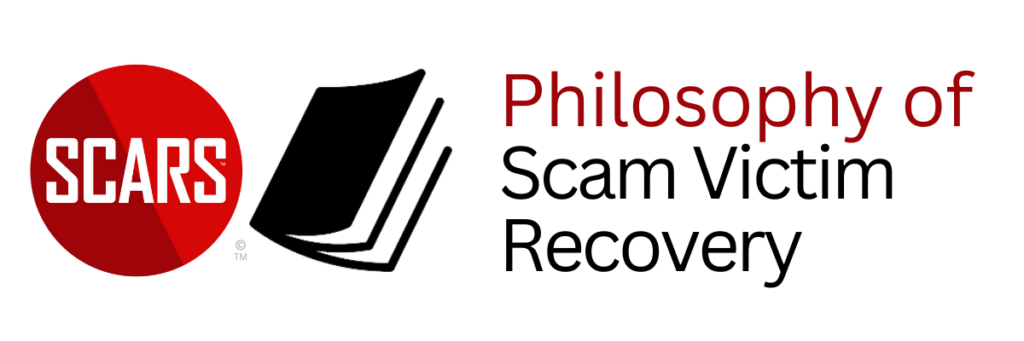
The man who wrote the ‘Lord of the Rings,’ J.R.R. Tolkien, coined a unique term for the hope that appears after the crisis: “eucatastrophe.”
In the landscape of literary theory, few terms are as evocative and specific as J.R.R. Tolkien’s “eucatastrophe.” It is a concept that speaks not just to the mechanics of storytelling, but to the deepest human need for hope in the face of despair. To understand it is to understand the architecture of a truly profound happy ending, and to see its relevance is to find a powerful framework for understanding the most painful chapters of our own lives, including the devastating journey of a relationship scam victim. The eucatastrophe is more than just a happy ending; it is a sudden, joyous turn of events that feels like a grace, a miraculous reversal that snatches victory from the jaws of defeat. It stands in stark opposition to its dark twin, the catastrophe, and understanding the dance between these two poles provides a map for navigating the calamities that define the before, during, and after of a traumatic betrayal.
Eucatastrophe: ‘Eu’ meaning good, and ‘Catastrophe’ meaning disaster. A sudden and favorable resolution of events. A happy ending.
To grasp the power of the eucatastrophe, one must first understand its foundation in the catastrophe. A catastrophe, in its simplest narrative sense, is the final, tragic resolution of a story. It is the “down-turning,” the point of no return, where the protagonist’s flaws or overwhelming external forces lead to ruin, death, or profound suffering. It is the ending of Hamlet, where the stage is littered with bodies, a testament to pride and indecision. It is the ending of a Greek tragedy, where the protagonist is crushed by fate. It is Jesus on the cross. A catastrophe provides a sense of closure, but it is a closure defined by finality and loss. It reinforces the idea that the universe is indifferent, or even hostile, and that our struggles often end in dust. It is a narrative of resignation.
The eucatastrophe is Tolkien’s direct answer to this bleak narrative. As he defined it in his seminal essay “On Fairy-Stories” (see below for the full text), a eucatastrophe is a “sudden turn of joy.” It is a moment of profound grace that pierces the veil of despair and delivers a glimpse of a better, more just order. The word itself is a fusion of the Greek “eu-“ (good) and “katastrophe” (destruction), literally meaning a “good destruction.” It is the destruction of despair itself. This is not merely a happy ending where things turn out well. It is a joyous reversal that is earned not through the hero’s growing strength, but often through a small, seemingly insignificant act of pity, mercy, support, or love that has unforeseen, world-altering consequences. It feels miraculous, but it is not random; it is the logical, if surprising, conclusion to the story’s moral arc.
The ultimate example, and the one Tolkien himself championed, is the climax of The Lord of the Rings. The catastrophe is at hand: Frodo, standing at the Crack of Doom, is overcome by the Ring’s power. He fails. He claims the Ring for himself, and Sauron’s victory, which seemed moments away, becomes absolute. All hope is extinguished. This is the narrative’s darkest point. The eucatastrophe that follows is Gollum’s frantic attack. In the struggle, he bites the Ring from Frodo’s finger and, in his ecstatic dance, topples into the fiery chasm, destroying both himself and the Ring. The world is saved not by Frodo’s willpower, but by the long-forgotten pity that Bilbo and Frodo showed Gollum years earlier. This small act of mercy becomes the unlikely instrument of salvation. The turn is sudden, total, and brings a profound, tear-inducing joy that a simple victory could never achieve. It is not a deus ex machina, a contrived god from the machine; it is the fulfillment of the story’s deepest moral law.
This narrative framework provides a surprisingly potent lens through which to view the calamitous journey of a relationship scam victim. A scam is not a single event; it is a story with its own distinct acts, each defined by its own form of catastrophe.
You may ask yourself, “How could there ever be such a turn for a scam victim?” Read on, and perhaps you will see.
The Calamity Before: The Catastrophe of Isolation
For most victims, the story does not begin with the scammer’s first message, but long before, in a state of quiet desperation or need. This is the pre-existing catastrophe of loneliness, emotional need, or a profound sense of disconnection from the world. These are the prequel vulnerabilities that introduce the character to their story.
It is a life lived in grayscale, where the fundamental human need for love, recognition, and security is unmet. This state is a slow-moving catastrophe, a “down-turning” of the spirit that creates a fertile ground for deception. The victim is not a fool; they are a person standing in a wasteland, crying out for water. The scammer’s arrival is not the beginning of the problem, but a false answer to an already existing catastrophe. It is a mirage in the desert, offering the promise of an oasis where none exists.
The Calamity During: The Catastrophe of Deception
The scam itself is a masterclass in engineered catastrophe. It is a narrative built on a foundation of lies, designed to systematically dismantle the victim’s reality. The scammer creates a beautiful, intoxicating story, a future of love, partnership, and shared prosperity. The victim invests not just their money, but their heart, their dreams, and their trust. They build a new world on this foundation. The catastrophe, when it comes, is not just the discovery of the lie; it is the simultaneous collapse of the entire world they built. It is the moment the floor gives way, and they are left falling into an abyss of confusion and horror. The emotional devastation is total. It is the death of a future, the destruction of a person they thought they knew, and the shattering of their own judgment. This is a profound personal catastrophe, leaving behind a wreckage of shame, self-blame, and a shattered sense of self.
The Calamity After: The Catastrophe of Trauma
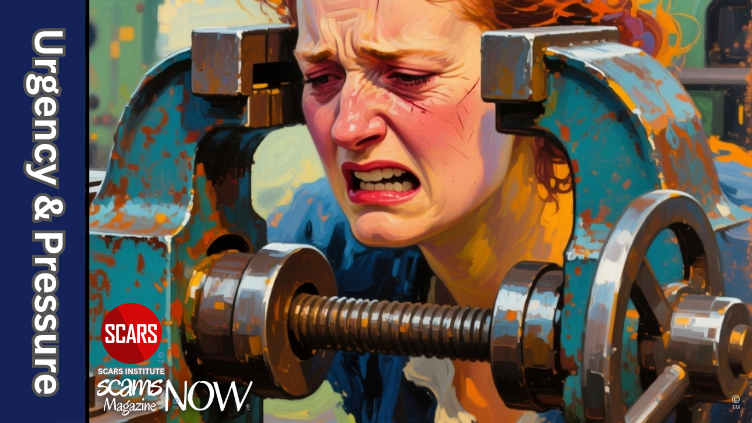
The final and often most prolonged catastrophe occurs in the aftermath. This is the catastrophe of trauma, where the brain and nervous system, rewired by the profound betrayal, turn against the self. The victim is left with a landscape of emotional devastation: hyper-vigilance, anxiety, intrusive thoughts, and an inability to trust. The world, which once seemed full of possibility, now feels threatening and hostile. This internal catastrophe is a prison of the victim’s own brain’s making, a state where they are trapped by the very wound they received. They may try to “let it go” or “move on,” but the trauma acts like a malevolent ghost, constantly reminding them of their fall. This is the state where many victims get stuck, living in the perpetual aftermath of the catastrophe, believing that this broken, fearful state is their new, permanent reality. It is a story that seems to have no ending, especially no happy ending, only a long, drawn-out conclusion of suffering.
Eucatastrophy: The Return of Hope
It is in this final, desolate landscape that the promise of the eucatastrophe becomes not just a literary concept, but a vital psychological necessity.
For a scam victim, a eucatastrophe is not the sudden return of the money or the magical appearance of a new, perfect partner. That would be a cheap deus ex machina. The true eucatastrophe is an internal turn, a sudden and profound shift in perception that snatches joy from the jaws of trauma.
This turn can take many forms. It might be the moment a victim, in a support group, hears another person describe their exact feelings and experiences a wave of relief so powerful it feels like a physical weight being lifted. It is the joy of being truly heard and understood. It might be the moment of insight in therapy when they suddenly see the scam not as a personal failure, but as a predictable injury inflicted by a professional predator. In that moment, the shame does not just lessen; it is destroyed. It is the “good destruction” of self-blame. It could be the moment they find the strength to set a small boundary with a family member, a seemingly insignificant act that suddenly makes them feel powerful and in control of their own life for the first time in a long time.
Eucatastrophe can be many things during the after-scam time in recovery, but it tends to be three main moments: the moment you accept that it really was not your fault; the moment you can truly forgive yourself; and the moment of true acceptance in processing your grief.
The eucatastrophe for a victim is the realization that they are not to blame and not defined by their wound. It is the sudden, grace-filled understanding that the catastrophe of the scam does not have to be the end of their story. It can become the very thing that gives their life new meaning, new depth, and a new capacity for compassion for themselves and others. It is the moment they stop seeing themselves as a “scam victim” and start seeing themselves as a “survivor,” a person who has walked through fire and is not burned, but forged. This is the joyous reversal. It does not erase the pain of the catastrophe, but it redeems it. It transforms the story from a tragedy of loss into a story of profound and hard-won grace. The eucatastrophe is the promise that even from the deepest betrayal, a new, stronger, and more beautiful self can emerge, not in spite of the catastrophe, but because of it.
The Appearance of Hope: The First Glimmer of a Eucatastrophe
For a scam victim living in the prolonged aftermath of trauma, hope is not a constant companion; it is a rare and precious visitor. In the early days and months of recovery, life is defined by the catastrophe, by the disaster. The landscape is a wreckage of shame, shattered trust, and a nervous system locked in a state of high alert. The future feels like a bleak continuation of the present, a flat, gray plain where joy and security are things that happened to other people, in a past life. In this state, the idea of a “eucatastrophe,” a sudden, joyous turn, can feel like a cruel fantasy. Yet, the appearance of hope, the very first glimmer of it, is the embryonic stage of that miraculous turn. It is the quiet, almost imperceptible shift that signals that the destruction of despair has begun.
This first appearance of hope is rarely a grand, cinematic moment. It is not a lightning bolt from the sky but a single, flickering candle in a cavern of darkness. It often arrives in the most mundane and unexpected of forms. It might be the first time a victim smiles or laughs at a joke and, for a fleeting second, forgets to feel guilty for it. It might be waking up one morning and, before the weight of the trauma descends, experiencing a moment of simple, uncomplicated peace. It could be the act of noticing the beauty of a sunset, a small sensory pleasure that cuts through the numbness and reminds them that they are still alive and capable of feeling something other than pain. These are not victories; they are whispers. They are the first signs that the catastrophe’s grip is not absolute.
Another common vessel for this nascent hope is the power of shared experience. A victim, isolated in their shame, may finally stumble upon a support group or a community and read the words of another person describing the exact sequence of events, the same feelings of foolishness and confusion. In that moment of recognition, something profound shifts. The crushing weight of being uniquely and irrevocably flawed begins to lift. The thought, “It wasn’t just me,” is a powerful eucatastrophic turn in miniature. It is the sudden destruction of the isolation that the trauma built. It is the joyous realization (relief) that they are part of a community of survivors, not an island of fools. This connection, this validation, is a grace that feels like a miracle.
The appearance of hope also manifests as a reclamation of agency. For so long, the victim has been defined by what was done to them. The first eucatastrophic turn often comes when they do something small for themselves. It might be the decision to finally block the scammer’s number, an act that feels both terrifying and immensely powerful. It could be setting a boundary with a well-meaning but unhelpful family member, or simply choosing to go for a walk when the instinct is to withdraw. Each of these small acts is a declaration. They are the first steps taken on a new path, away from the wreckage. They are the brain beginning to close down its fears, one by one, freeing up the mental energy that was being consumed by inaction and indecision. The joy is not in the act itself, but in the discovery that they still have the power to act.
Importantly, this initial appearance of hope is often followed by setbacks. The candle flickers and may seem to go out. The shame returns, the anxiety resurfaces, and you may feel that you have failed again. This is the most critical part of the journey. It is vital to understand that the eucatastrophe is not a single event but a process. The appearance of hope is not the destination; it is the proof that the destination exists. Each time that glimmer appears, even if it fades, it leaves behind a trace. It carves a new neural pathway, a memory of a different feeling that the brain can return to. You can learn that joy is possible, that connection is real, and that you have strength. These small, grace-filled moments are the seeds of the great reversal. They are the promise that the story does not have to end in catastrophe. The eucatastrophe is not a single, final turn, but a thousand small turns, each one a choice to believe in the possibility of a joyous and grace-filled ending, until one day, that ending becomes their reality.
Conclusion
For those who have been traumatized by scams, the concept of eucatastrophe offers a framework that restores meaning where betrayal once erased it. Trauma narratives often feel fixed, as if the worst moment defines everything that follows. The scam becomes the central fact of identity, shaping memory, emotion, and expectations about the future. Eucatastrophe challenges that finality. It does not deny the catastrophe or soften its harm. Instead, it reframes the aftermath as a space where something unexpected and life-affirming can emerge.
Recovery rarely arrives as a dramatic reversal. It unfolds through moments that initially seem small and fragile. A shift in self-understanding, a release from shame, or a sense of connection with others who understand the experience can interrupt despair in ways that feel almost miraculous. These moments matter because they change the direction of the story. They mark the point where suffering is no longer only destructive, but also transformative.
Eucatastrophe does not promise that losses will be undone or that pain will vanish. It promises something more realistic and more durable. It offers the possibility that trauma can be managed and integrated rather than erased, and that identity can expand rather than collapse. For scam victims, this means moving from a narrative of personal failure to one of survival, insight, and resilience. Hope does not appear because the past is repaired. It appears because the future is no longer closed. That shift, however quiet it begins, is the foundation of lasting recovery.

Glossary
- Acceptance — The process of acknowledging that the scam occurred and that its impact is real, without minimizing or rationalizing the harm. Acceptance allows emotional energy to shift away from denial and toward recovery, grief processing, and forward movement.
- Agency — The internal sense that a person still has the ability to make choices and influence their own life after trauma. Reclaiming agency is often gradual and begins with small decisions that restore autonomy and self-trust.
- Anxiety — A heightened state of nervous system arousal marked by fear, anticipation, and physiological tension following betrayal. After scams, anxiety often reflects trauma rather than danger in the present moment.
- Attachment Injury — Emotional harm caused when trust and emotional bonding are exploited or violated. In scam victims, attachment injury can disrupt future relationships and the ability to feel safe with others.
- Betrayal Trauma — A form of trauma that occurs when harm is inflicted by someone the victim trusted or depended upon. Relationship scams are a classic example because emotional intimacy is weaponized against the victim.
- Boundary Setting — The practice of establishing limits that protect emotional, financial, or psychological well-being. After scams, boundary setting often marks an important turning point in recovery and self-respect.
- Catastrophe — A narrative or psychological endpoint characterized by loss, collapse, or irreversible harm. In scam trauma, catastrophe refers to the emotional and identity disruption caused by deception and betrayal.
- Cognitive Reframing — The process of changing how an experience is interpreted without denying its reality. For scam victims, reframing shifts blame from the self to the perpetrator and reduces shame.
- Compassion for Self — The ability to respond to one’s own suffering with understanding rather than criticism. Self-compassion counteracts shame and supports emotional healing after trauma.
- Connection — The experience of being emotionally understood and validated by others. Connection is a critical factor in recovery because isolation reinforces shame and despair.
- Deception — The deliberate construction of false narratives to manipulate trust and behavior. In scams, deception is systematic and designed to dismantle the victim’s sense of reality.
- Despair — A psychological state marked by hopelessness and emotional collapse following trauma. Despair often dominates early recovery stages but is not a permanent condition.
- Emotional Collapse — The sudden breakdown of emotional stability following the discovery of a scam. This collapse reflects nervous system overload rather than weakness or failure.
- Emotional Numbness — A trauma response where feelings are muted or inaccessible as a protective mechanism. Numbness can follow intense emotional pain and gradually resolves with safety and processing.
- Eucatastrophe — A sudden, meaningful turn toward hope that follows profound disaster. In recovery, it represents internal shifts such as relief from shame or renewed self-understanding.
- Forgiveness of Self — The process of releasing self-blame for actions taken under manipulation. Self-forgiveness is not forgetting harm but recognizing victimization accurately.
- Grief Processing — The emotional work of mourning losses caused by the scam, including lost trust, identity, or imagined futures. Grief must be acknowledged to heal fully.
- Healing Trajectory — The non-linear path through recovery that includes setbacks and progress. Understanding healing as a trajectory prevents discouragement during difficult periods.
- Hope — The perception that a meaningful future remains possible despite trauma. Hope often appears in small moments rather than dramatic changes.
- Hypervigilance — A state of constant alertness where the nervous system scans for danger. After scams, hypervigilance reflects trauma conditioning rather than the current threat.
- Identity Disruption — A disturbance in how a person understands who they are following betrayal. Scam trauma often fractures identity by attacking self-trust and judgment.
- Insight — A moment of clarity where the victim understands the scam as exploitation rather than personal failure. Insight often produces emotional relief and reduced shame.
- Isolation — The withdrawal from social connections due to shame, fear, or mistrust. Isolation intensifies trauma and delays recovery.
- Meaning Making — The process of integrating traumatic experiences into a coherent personal narrative. Meaning-making helps transform suffering into growth rather than ongoing injury.
- Mirage Effect — The false sense of hope created by scammers offering emotional fulfillment or rescue. This illusion collapses once deception is revealed.
- Moral Injury — Psychological distress caused by violations of deeply held values or beliefs. Scam victims often experience moral injury related to trust and integrity.
- Narrative Reconstruction — The rebuilding of one’s life story after trauma. This process replaces self-blame narratives with accurate accounts of exploitation and survival.
- Nervous System Regulation — The gradual return of the body to emotional balance after prolonged stress. Regulation supports clearer thinking and emotional resilience.
- Personal Agency Recovery — The restoration of confidence in one’s ability to make safe and meaningful decisions. This recovery often begins with small, intentional actions.
- Post Traumatic Growth — Positive psychological change that can emerge after trauma through insight, resilience, and compassion. Growth does not negate suffering but can follow it.
- Predatory Manipulation — The deliberate use of emotional tactics to control and exploit victims. Understanding manipulation reduces shame and restores clarity.
- Psychological Injury — Harm to emotional and cognitive functioning caused by trauma. Scam trauma produces real psychological injury that deserves care and validation.
- Recovery Process — The ongoing work of emotional healing, identity repair, and nervous system stabilization. Recovery unfolds over time rather than through quick fixes.
- Relief Response — A sudden emotional release that follows validation or understanding. Relief often signals the beginning of healing rather than its completion.
- Resilience — The capacity to adapt and recover despite trauma. Resilience grows through support, insight, and self-compassion.
- Self-Blame — The belief that the victim caused or deserved the harm. Self-blame is a common trauma response and must be actively challenged.
- Self-Trust — Confidence in one’s perceptions and decisions. Scam trauma undermines self-trust, which must be rebuilt gradually.
- Shame — A painful belief of personal defectiveness following exploitation. Shame thrives in silence and diminishes with accurate understanding.
- Survivor Identity — A self-concept that recognizes endurance and recovery rather than victimhood alone. This identity supports empowerment and forward movement.
- Trauma Aftermath — The prolonged psychological effects that persist after the scam ends. These effects often include anxiety, grief, and distrust.
- Trauma Integration — The process of incorporating traumatic memories into awareness without re-experiencing overwhelming distress. Integration allows life to move forward.
- Trauma Narrative — The internal story a person tells about the traumatic event. Rewriting this narrative is essential for healing.
- Trust Rebuilding — The gradual restoration of confidence in others and oneself. Trust rebuilding occurs at a pace determined by safety and experience.
- Validation — Recognition that the victim’s experience and pain are real and justified. Validation reduces isolation and supports emotional recovery.
Reference
On Fairy Stories By J. R. R. Tolkien
Author Biographies
-/ 30 /-
What do you think about this?
Please share your thoughts in a comment below!
One Comment
Leave A Comment
TABLE OF CONTENTS
- Eucatastrophe and the Appearance of Hope for those Traumatized by Scams
- Eucatastrophe and the Appearance of Hope for those Traumatized by Scams
- The Calamity Before: The Catastrophe of Isolation
- The Calamity During: The Catastrophe of Deception
- The Calamity After: The Catastrophe of Trauma
- Eucatastrophy: The Return of Hope
- The Appearance of Hope: The First Glimmer of a Eucatastrophe
- Conclusion
- Glossary
- Reference





CATEGORIES
ARTICLE META
Important Information for New Scam Victims
- Please visit www.ScamVictimsSupport.org – a SCARS Website for New Scam Victims & Sextortion Victims.
- SCARS Institute now offers its free, safe, and private Scam Survivor’s Support Community at www.SCARScommunity.org – this is not on a social media platform, it is our own safe & secure platform created by the SCARS Institute especially for scam victims & survivors.
- SCARS Institute now offers a free recovery learning program at www.SCARSeducation.org.
- Please visit www.ScamPsychology.org – to more fully understand the psychological concepts involved in scams and scam victim recovery.
If you are looking for local trauma counselors, please visit counseling.AgainstScams.org
If you need to speak with someone now, you can dial 988 or find phone numbers for crisis hotlines all around the world here: www.opencounseling.com/suicide-hotlines
Statement About Victim Blaming
Some of our articles discuss various aspects of victims. This is both about better understanding victims (the science of victimology) and their behaviors and psychology. This helps us to educate victims/survivors about why these crimes happened and not to blame themselves, better develop recovery programs, and help victims avoid scams in the future. At times, this may sound like blaming the victim, but it does not blame scam victims; we are simply explaining the hows and whys of the experience victims have.
These articles, about the Psychology of Scams or Victim Psychology – meaning that all humans have psychological or cognitive characteristics in common that can either be exploited or work against us – help us all to understand the unique challenges victims face before, during, and after scams, fraud, or cybercrimes. These sometimes talk about some of the vulnerabilities the scammers exploit. Victims rarely have control of them or are even aware of them, until something like a scam happens, and then they can learn how their mind works and how to overcome these mechanisms.
Articles like these help victims and others understand these processes and how to help prevent them from being exploited again or to help them recover more easily by understanding their post-scam behaviors. Learn more about the Psychology of Scams at www.ScamPsychology.org
SCARS INSTITUTE RESOURCES:
If You Have Been Victimized By A Scam Or Cybercrime
♦ If you are a victim of scams, go to www.ScamVictimsSupport.org for real knowledge and help
♦ SCARS Institute now offers its free, safe, and private Scam Survivor’s Support Community at www.SCARScommunity.org/register – this is not on a social media platform, it is our own safe & secure platform created by the SCARS Institute especially for scam victims & survivors.
♦ Enroll in SCARS Scam Survivor’s School now at www.SCARSeducation.org
♦ To report criminals, visit https://reporting.AgainstScams.org – we will NEVER give your data to money recovery companies like some do!
♦ Follow us and find our podcasts, webinars, and helpful videos on YouTube: https://www.youtube.com/@RomancescamsNowcom
♦ Learn about the Psychology of Scams at www.ScamPsychology.org
♦ Dig deeper into the reality of scams, fraud, and cybercrime at www.ScamsNOW.com and www.RomanceScamsNOW.com
♦ Scam Survivor’s Stories: www.ScamSurvivorStories.org
♦ For Scam Victim Advocates visit www.ScamVictimsAdvocates.org
♦ See more scammer photos on www.ScammerPhotos.com
You can also find the SCARS Institute’s knowledge and information on Facebook, Instagram, X, LinkedIn, and TruthSocial
Psychology Disclaimer:
All articles about psychology and the human brain on this website are for information & education only
The information provided in this and other SCARS articles are intended for educational and self-help purposes only and should not be construed as a substitute for professional therapy or counseling.
Note about Mindfulness: Mindfulness practices have the potential to create psychological distress for some individuals. Please consult a mental health professional or experienced meditation instructor for guidance should you encounter difficulties.
While any self-help techniques outlined herein may be beneficial for scam victims seeking to recover from their experience and move towards recovery, it is important to consult with a qualified mental health professional before initiating any course of action. Each individual’s experience and needs are unique, and what works for one person may not be suitable for another.
Additionally, any approach may not be appropriate for individuals with certain pre-existing mental health conditions or trauma histories. It is advisable to seek guidance from a licensed therapist or counselor who can provide personalized support, guidance, and treatment tailored to your specific needs.
If you are experiencing significant distress or emotional difficulties related to a scam or other traumatic event, please consult your doctor or mental health provider for appropriate care and support.
Also read our SCARS Institute Statement about Professional Care for Scam Victims – click here
If you are in crisis, feeling desperate, or in despair, please call 988 or your local crisis hotline – international numbers here.
More ScamsNOW.com Articles





A Question of Trust
At the SCARS Institute, we invite you to do your own research on the topics we speak about and publish. Our team investigates the subject being discussed, especially when it comes to understanding the scam victims-survivors’ experience. You can do Google searches, but in many cases, you will have to wade through scientific papers and studies. However, remember that biases and perspectives matter and influence the outcome. Regardless, we encourage you to explore these topics as thoroughly as you can for your own awareness.



The transition to survivor is expressed so well in this piece as a “person who has walked through fire and is not burned, but forged” — so true. Understanding the process is explained in a helpful way. Thank You.