

The Doom Cycle of Self-Sabotage in Some Scam Victims – 2026

The SCARS Institute Magazine about Scam Victims-Survivors, Scams, Fraud & Cybercrime
- Published: 10/13/26
- Modified: 10/13/26
- Comments: 0
- Read Status:
Free, Safe, and Confidential After-Scam Healing & Support is Available from the SCARS Institute
Join Us www.SCARScommunity.org

The Doom Cycle of Self-Sabotage in Some Scam Victims
Self-Sabotage and Progressive Self-Neglect After a Scam
Primary Category: Psychology / Recoverology
Author:
• Tim McGuinness, Ph.D., DFin, MCPO, MAnth – Anthropologist, Scientist, Polymath, Managing Director of the Society of Citizens Against Relationship Scams Inc.
Author Biographies Below
About This Article
Progressive self-neglect after a scam involves declining attention to healthcare, hygiene, home maintenance, and supportive relationships. Depression interferes with energy, decision-making, and daily functioning, while self-hatred and self-loathing contribute to beliefs that care is undeserved. The Doom Cycle describes deterioration reinforced by shame and withdrawal, rather than a distinct diagnosis. Severe neglect threatens health without necessarily involving a direct intention to die. Some survivors remain attached to an imagined relationship or rescue that gives them a reason to continue. Scammers exploit that attachment, and discovery destroys the anticipated future. Intervention addresses immediate risks, treatment needs, practical barriers, and dependable sources of meaning. Recovery requires coordinated care, respectful assistance, clear boundaries, and restoration of daily activities that sustain safety and connection.
Note: This article is intended for informational purposes and does not replace professional medical advice. If you are experiencing distress, please consult a qualified mental health professional.
Keywords
Doom Cycle, Progressive Self-Neglect, Scam Victim Recovery, Depression, Self-Hatred, Self-Loathing, Healthcare Neglect, Home Care Neglect, Romantic Idealization, Coordinated Recovery Support

Self-Sabotage and Progressive Self-Neglect After a Scam
Author’s Note
The Doom Cycle names a pattern of declining care reinforced by depression, self-condemnation, and withdrawal. Its significance lies in the difference between remaining alive and maintaining the conditions that support life. Recognizing that difference directs attention toward practical needs, qualified treatment, and genuine sources of hope while preserving the survivor’s dignity and responsibility for recovery.
We Call This the Doom Cycle
Self-destruction does not always appear as a dramatic act. Sometimes it develops through appointments never made, medication left untaken, hygiene abandoned, and a home allowed to deteriorate. The person remains alive while gradually withdrawing from the activities that sustain health, safety, and connection. Loved ones see the decline but struggle to understand why someone who still expresses hopes for the future stops caring for the present.
Among scam survivors, this pattern requires attention, as this can lead to depression, trauma, self-hatred, and the meaning of the relationship that was lost. Some people begin deteriorating after discovery; some right after and others a year or two down the road. Others enter the scam with an established pattern of neglect, while the promised relationship temporarily gives them something to live toward. When that promise collapses, their remaining motivation for daily care also weakens.
Self-sabotage, self-defeating behavior, and self-destructive behavior describe patterns, not one specific disorder. Progressive self-neglect provides a more precise description when health, hygiene, and living conditions deteriorate. The central questions concern intention, functioning, immediate risk, and the support required to interrupt the decline.
Depression as a Profound Contributor
Depression is not simply sadness about an unpleasant event. The National Institute of Mental Health identifies loss of interest, hopelessness, fatigue, feelings of worthlessness, and difficulties with concentration and decision-making among its symptoms. Depression interferes with daily functioning and sometimes includes withdrawal, risky behavior, or an inability to meet responsibilities.
Its impact reaches both the wish to act and the ability to follow through. A person struggles to imagine improvement, organize an appointment, or summon the energy to bathe. Tasks that once required little thought now demand effort that feels unavailable. Advice to “take better care” leaves the actual barriers unaddressed.
Research involving older adults living alone also identifies an association between depressive symptoms and self-neglect, including medical care and living conditions. Those findings support taking depression seriously without establishing the cause of every individual case or applying results from older populations indiscriminately to all survivors.
The scam adds another burden when depression already exists. Financial loss, betrayal, and the disappearance of an imagined future enter a life already marked by reduced energy or hope. Effective care must address the depressive illness alongside the consequences of victimization.
Self-Hatred and Self-Loathing
Self-hatred and self-loathing describe closely related experiences rather than separate diagnoses. Self-hatred involves intense hostility toward the self. Self-loathing emphasizes disgust or revulsion directed at the person’s own identity, body, history, or perceived failures. Both turn suffering into an accusation about personal worth.
A survivor moves from “Someone deceived me” to “I am disgusting for allowing this.” Another interprets lost savings as proof that they no longer deserve comfort. These are examples of destructive self-judgments, not accurate conclusions established by the crime.
The beliefs matter because they affect the meaning of care. An appointment becomes something the person believes they do not deserve. A meal, clean clothing, or a repaired room feels pointless when the self appears unworthy of preservation. Restoring basic care then requires attention to both practical barriers and the contempt attached to receiving it.
Self-Punishment and Moral Injury
Self-punishment occurs when suffering becomes an intended penalty. A survivor refuses comfort, rejects affection, or neglects a need because improvement feels undeserved. The action sometimes expresses the belief that continued pain will account for money lost or harm experienced by family members.
The National Center for PTSD describes beliefs about undeservingness and self-sabotaging behavior within moral injury. Moral injury concerns distress following experiences that violate important moral expectations, including betrayal. It is not itself a formal diagnosis, and victimization does not automatically establish its presence.
Assessment explores whether the person seeks punishment, feels incapable of action, avoids distress, or experiences several of these at once. The distinctions matter even when the visible result looks similar.
Criminal deception does not create an obligation to suffer further. Learning from decisions supports future protection. Depriving the body of care does not repay stolen money, repair a relationship, or make the original crime less painful.
Abandonment of Healthcare
Withdrawal from healthcare appears through missed appointments, untreated symptoms, delayed dental care, or failure to seek help when an established treatment plan no longer works. Some people knowingly abandon care. Others want assistance but struggle with cost, transportation, shame, symptoms, or the steps required to obtain it.
These situations need specific questions rather than assumptions. Has the survivor stopped attending because treatment feels undeserved? Do they fear discussing the scam? Did the financial loss make care unaffordable? Does depression prevent arranging the visit? An observer who sees only a missed appointment does not yet know the answer.
Abandoned healthcare leaves existing conditions without appropriate attention. The response includes medical review, discussion of barriers, and practical help restoring access. Concern about medication requires contact with the prescribing clinician, rather than unsupervised changes or pressure from unqualified supporters.
Abandonment of Hygiene and Home Care
Personal hygiene also becomes difficult or loses its perceived importance. Bathing, brushing teeth, washing clothes, and changing bedding fall away. The person avoids visitors because of embarrassment, and reduced contact makes the deterioration less visible to others.
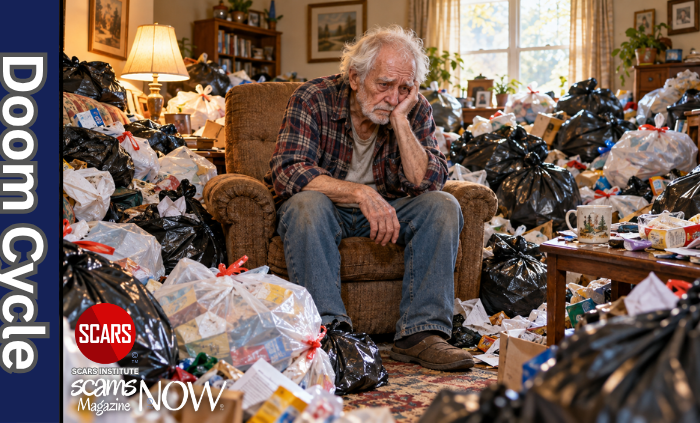
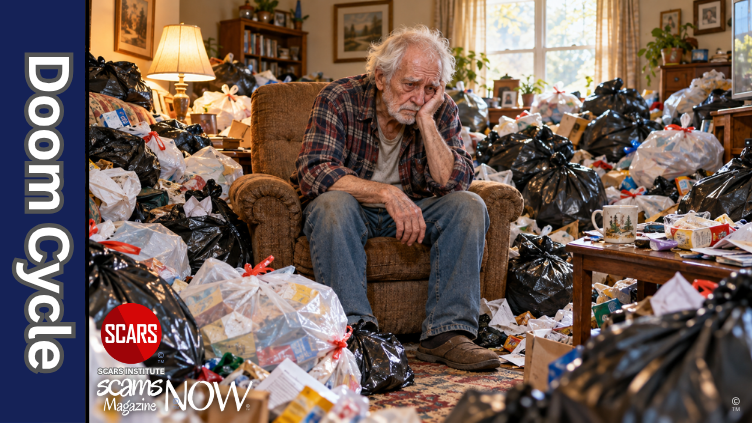
Home care follows a similar course. Dishes accumulate, rubbish remains indoors, cleaning stops, and necessary maintenance goes undone. Depending on the conditions, neglected repairs or obstructed spaces introduce additional safety concerns. The problem concerns sustaining a usable, safe environment, not meeting someone else’s preference for perfect housekeeping.
The home sometimes becomes evidence in the person’s argument against themselves. They see disorder, feel ashamed, and withdraw further. Addressing this cycle requires practical assistance that protects dignity. A helper begins with essentials and agreed priorities, while clinicians assess the symptoms or limitations behind the decline.
A neglected home does not by itself prove depression or intentional self-destruction. Disability, poverty, pain, bereavement, and lack of assistance also require consideration. Support must fit the circumstances rather than replace investigation with a label.
Gradual Harm Without a Direct Intention to Die
A person sometimes denies wanting suicide while showing little concern about whether neglected health or unsafe living conditions will shorten life. They do not plan a direct fatal act, but they stop investing in long-term survival. In some cases, they understand the danger and feel indifferent to it; in others, they underestimate the consequences.
This is the important distinction behind the description of “death over the long run.” It describes a dangerous possible trajectory, not a diagnosis, an inevitable outcome, or proof of suicidal intent. Progressive deterioration requires intervention even when the person states that they have no suicide plan.
A population study published in JAMA found that reported self-neglect among older adults was associated with increased mortality. The study establishes the seriousness of self-neglect, but it does not determine why each person neglected themselves or whether they intended death.
Suicidal thoughts also deserve direct assessment when present. Their absence does not make severe self-neglect safe, and their presence does not establish an immediate plan. Helpers need to understand both direct suicide risk and the separate dangers created by deteriorating care.
The Dream That Keeps the Person Going
A person neglecting life sometimes remains intensely attached to an imagined future. They picture an ideal partner, a peaceful home, financial rescue, or a new beginning that will make everything worthwhile. The dream supplies emotional meaning even while the practical activities supporting life continue to disappear.
This creates an apparent contradiction. The person rejects present care yet clings to a future in which they feel loved and secure. Their behavior reflects competing needs: withdrawal from current suffering and continued longing for a life that feels bearable.
The dream sometimes provides a reason to get through another day. Its danger develops when survival depends almost entirely on fulfillment of an unverified or impossible promise. Healthcare, relationships, and daily responsibilities become things to address after the rescue arrives.
A cherished home also holds complicated meaning. The survivor remains attached to it as the setting for a hoped-for future while neglecting the maintenance needed to preserve it. Wanting the home to remain does not automatically translate into the ability or motivation to care for it.
This account describes an interpretive pattern in some cases, not a recognized syndrome shared by all people with depression or self-neglect. Hope itself is valuable. The concern is dependence on one fragile promise while present support and care fall away.
How Relationship Scammers Exploit That Attachment
A criminal offers a future that appears to answer the person’s most painful needs. Affection, marriage, financial security, or escape from isolation becomes more than an attractive promise. It seems to provide the condition under which life will finally deserve care.
Research by Buchanan and Whitty found an association between romantic idealization and romance scam victimization. That finding supports attention to idealized expectations, but it does not establish that victims generally neglect themselves or want destruction. Responsibility for exploiting trust remains with the criminal.
In the pattern described here, the scammer appears to embody the survivor’s remaining hope. Messages briefly restore purpose, and anticipated reunion gives daily life a direction. The apparent benefit does not make the relationship healthy. It rests on manipulation and leaves the person’s hope attached to someone who controls the deception.
The resulting attachment helps explain why clear warnings sometimes encounter resistance. Accepting the evidence means confronting both the criminal’s lies and the loss of the future organized around them.
When Discovery Removes the Remaining Restraint
After discovery, the survivor loses more than contact. They lose the imagined relationship, anticipated rescue, and reason they had attached to continuing. Where self-neglect already existed, the collapse removes one of the few motives restraining it.
The statement that “nothing holds the self-destruction back” captures the survivor’s experience in some cases. It must not become a prediction that deterioration is unavoidable. Actual supports still matter, including healthcare, dependable relationships, practical assistance, and a recovery community. The person’s difficulty seeing those supports does not make them nonexistent.
This period calls for attention to functioning as well as emotional disclosure. A survivor speaks calmly about acceptance while failing to eat regularly, attend care, or maintain basic hygiene. Helpers need to ask about daily life instead of relying only on whether the person sounds reassured.
Reconnecting with the criminal is not a safe way to restore the lost purpose. Recovery requires genuine sources of meaning that do not depend on completing another payment or receiving another false promise.
Other Forms of Self-Sabotage
Progressive neglect also overlaps with harmful coping and damaged relationships. Substance misuse, reckless spending, repeated contact with criminals, and angry confrontations sometimes offer immediate relief while adding longer-term burdens. Trauma resources identify such patterns as negative coping that interferes with recovery.
A survivor also pushes away helpers when questions feel exposing, or boundaries feel like rejection. Trauma-related anger sometimes contributes, but disagreement does not automatically establish sabotage. Leaving an unsuitable provider remains different from repeatedly rejecting dependable care whenever it becomes uncomfortable.
The useful question concerns what the action accomplishes. Does it provide escape, reassurance, punishment, or relief? Is the person capable of carrying out an alternative? Knowing that a behavior is dangerous does not establish that its destructive consequence is the person’s purpose.
Intervention That Restores Care
Intervention begins with actual risks and barriers. Medical needs receive clinical attention. Unsafe living conditions require practical assessment. Depression, self-condemnation, and suicidal thoughts need qualified mental health care. Severe deterioration should not wait for the person to become enthusiastic about recovery.
Practical support makes care reachable. Someone helps schedule an appointment, arranges transportation, assists with laundry, or works alongside the survivor to restore one usable room. These actions address immediate needs while treatment examines what made self-care difficult.
The dream also needs careful attention. Humiliating a person for wanting love or a better life intensifies shame. Support separates legitimate needs from false promises and helps develop several real reasons to continue: dependable connection, meaningful responsibilities, manageable goals, and appropriate care.
Accountability remains necessary. Survivors work toward agreed protective steps, disclose setbacks, and repair harmful interactions where possible. Helpers maintain boundaries while recognizing symptoms and limitations. One established support provider and a qualified therapist offer coherent guidance, with coordinated medical or specialist assistance when needed.
Review
Self-destructive behavior after a scam extends beyond impulsive decisions or visible hostility. It sometimes involves the gradual abandonment of healthcare, hygiene, home maintenance, and the relationships that sustain daily life. Depression contributes to profound impairment, while self-hatred and self-loathing add beliefs that care is pointless or undeserved. These patterns require attention to both emotional meaning and concrete living conditions.
The absence of a direct suicide plan does not remove the danger. A person who stops protecting health and safety faces accumulating risks, regardless of whether death is intended, tolerated, or inadequately understood. Assessment must examine that distinction without waiting for deterioration to become a medical emergency.
Attachment to an imagined future also complicates the picture. A survivor longs for rescue while neglecting the present. A relationship scam exploits that longing through manufactured affection and promises. When discovery destroys the promise, a person whose hope depended on it needs timely help building genuine supports.
This pathway does not describe every victim, and the available research does not establish its prevalence among scam survivors. It provides a framework for examining a serious pattern without turning it into an identity or a universal explanation.
Recovery begins by restoring the conditions that support life. Treatment addresses depression and destructive beliefs, practical assistance restores access and safety, and trustworthy relationships provide connection. The survivor does not need punishment for having hoped. They need help that respects that hope while grounding it in care, protection, and a future built through real support.
Conclusion
Progressive self-neglect after a scam demands attention to what happens behind the survivor’s words. Expressions of hope do not establish that the person is maintaining health, hygiene, or a safe home. A survivor who speaks about starting again while abandoning essential care needs support that examines daily functioning as carefully as emotional distress.
The Doom Cycle describes the interaction between deteriorating care, shame, withdrawal, and further deterioration. Depression reduces energy and the ability to follow through, while self-hatred and self-loathing undermine the belief that care is deserved. Each neglected responsibility becomes another source of distress. Without appropriate help, the person faces increasing difficulty restoring the conditions that sustain life.
An imagined future complicates this pattern. A promised relationship or rescue sometimes supplies a remaining reason to continue, even while the present deteriorates. A criminal exploits that attachment, and discovery removes the future the survivor had relied upon. The response must replace dependence on false promises with dependable care and meaningful connections.
Intervention requires practical action as well as understanding. Medical assessment, treatment for depression, assistance with basic needs, and coordinated recovery support address different parts of the problem. Helpers preserve dignity while maintaining boundaries and responding promptly to serious risks.
Recovery does not require a survivor to prove worthiness before receiving care. It requires restoring the ordinary protections that make continued life safer and more manageable. A completed appointment, clean clothing, a usable room, and a trustworthy connection all matter. These steps give hope a foundation in the present instead of leaving survival dependent on an impossible promise.
Key Points
- Progressive self-neglect develops through the abandonment of healthcare, hygiene, home maintenance, and supportive connections.
- Depression profoundly affects energy, motivation, concentration, decisions, and the ability to complete daily tasks.
- Self-hatred and self-loathing turn the experience of victimization into destructive judgments about personal worth.
- Self-punishment leads some survivors to reject care or comfort because they believe continued suffering is deserved.
- Missed care and neglected living conditions require assessment of symptoms, resources, access, and practical barriers.
- Severe self-neglect threatens health and survival even without a direct suicide plan or stated intention to die.
- Attachment to an imagined relationship, home, or rescue sometimes sustains hope while present care deteriorates.
- Relationship scammers exploit idealized hopes through manufactured affection and promises of a better future.
- Discovery removes the promised future, making attention to daily functioning and dependable support especially important.
- Effective intervention combines qualified treatment, practical assistance, respectful boundaries, and real sources of meaning and connection.
Glossary
- Abandonment of Healthcare
- Abandonment of Home Maintenance
- Abandonment of Personal Hygiene
- Access to Care
- Accumulating Health Risks
- Anticipated Reunion
- Attachment to a Cherished Home
- Attachment to an Imagined Future
- Barriers to Treatment
- Beliefs About Undeservingness
- Care Restoration
- Competing Needs
- Coordinated Care
- Delayed Deterioration
- Dental Care Neglect
- Dependence on Promised Rescue
- Depressive Loss of Motivation
- Depressive Worthlessness
- Destructive Self-Judgments
- Doom Cycle
- Emotional Disclosure
- Financial Barriers to Healthcare
- Financial Rescue Promises
- Genuine Sources of Meaning
- Health Indifference
- Hopelessness
- Idealized Expectations
- Immediate Relief Seeking
- Indirect Threats to Survival
- Intention to Die
- Loss of Interest
- Loss of the Imagined Relationship
- Loss of the Promised Future
- Medical Review
- Medication Abandonment
- Moral Injury
- Mortality Risk
- Negative Coping
- Obstructed Living Spaces
- Perceived Failure
- Progressive Self-Neglect
- Reckless Spending
- Recovery Accountability
- Rejection of Dependable Care
- Romantic Idealization
- Self-Condemnation
- Self-Defeating Behavior
- Self-Destructive Behavior
- Self-Hatred
- Self-Loathing
- Self-Punishment
- Self-Sabotage
- Shame-Driven Withdrawal
- Substance Misuse
- Suicidal Ideation
Author Biographies
Prof. (Emeritus) Tim McGuinness, Ph.D. DFin is a co-founder, Managing Director, and Chairman of the SCARS Institute (Society of Citizens Against Relationship Scams Inc.), where he serves as an unsalaried volunteer officer dedicated to supporting scam victims and survivors around the world. With over 34 years of experience in scam education and awareness, he is perhaps the longest-serving advocate in the field.
Dr. McGuinness has an extensive background as a business pioneer, having co-founded several technology-driven enterprises, including the former e-commerce giant TigerDirect.com. Beyond his corporate achievements, he is actively engaged with multiple global think tanks where he helps develop forward-looking policy strategies that address the intersection of technology, ethics, and societal well-being. He is also a computer industry pioneer (he was an Assistant Director of Corporate Research Engineering at Atari Inc. in the early 1980s) and invented core technologies still in use today.
His professional identity spans a wide range of disciplines. He is a scientist, strategic analyst, solution architect, advisor, public speaker, published author, roboticist, Navy veteran, and recognized polymath. He holds numerous certifications, including those in cybersecurity from the United States Department of Defense under DITSCAP & DIACAP, continuous process improvement and engineering and quality assurance, trauma-informed care, grief counseling, crisis intervention, and related disciplines that support his work with crime victims.
Dr. McGuinness was instrumental in developing U.S. regulatory standards for medical data privacy called HIPAA and financial industry cybersecurity called GLBA. His professional contributions include authoring more than 1,000 papers and publications in fields ranging from scam victim psychology and neuroscience to cybercrime prevention and behavioral science.
“I have dedicated my career to advancing and communicating the impact of emerging technologies, with a strong focus on both their transformative potential and the risks they create for individuals, businesses, and society. My background combines global experience in business process innovation, strategic technology development, and operational efficiency across diverse industries.”
“Throughout my work, I have engaged with enterprise leaders, governments, and think tanks to address the intersection of technology, business, and global risk. I have served as an advisor and board member for numerous organizations shaping strategy in digital transformation and responsible innovation at scale.”
“In addition to my corporate and advisory roles, I remain deeply committed to addressing the rising human cost of cybercrime. As a global advocate for victim support and scam awareness, I have helped educate millions of individuals, protect vulnerable populations, and guide international collaborations aimed at reducing online fraud and digital exploitation.”
“With a unique combination of technical insight, business acumen, and humanitarian drive, I continue to focus on solutions that not only fuel innovation but also safeguard the people and communities impacted by today’s evolving digital landscape.”
Dr. McGuinness brings a rare depth of knowledge, compassion, and leadership to scam victim advocacy. His ongoing mission is to help victims not only survive their experiences but transform through recovery, education, and empowerment.
-/ 30 /-
What do you think about this?
Please share your thoughts in a comment below!
The Doom Cycle of Self-Sabotage in Some Scam Victims – 2026
Please Leave a Comment
Please Tell Us What You Learned From This?
Commenting Is An Essential Part Of Healing
Read • Think • Write
GLOSSARY SEARCH
TOPIC SEARCH
TABLE OF CONTENTS







CATEGORIES
Important Information for New Scam Victims
- Please visit www.ScamVictimsSupport.org – a SCARS Website for New Scam Victims & Sextortion Victims.
- SCARS Institute now offers its free, safe, and private Scam Survivor’s Support Community at www.SCARScommunity.org – this is not on a social media platform; it is our own safe & secure platform created by the SCARS Institute especially for scam victims & survivors.
- SCARS Institute now offers a free recovery learning program at www.SCARSeducation.org.
- Please visit www.ScamPsychology.org – to more fully understand the psychological concepts involved in scams and scam victim recovery.
If you are looking for local trauma counselors, please visit counseling.AgainstScams.org
If you need to speak with someone now, you can dial 988 or find phone numbers for crisis hotlines all around the world here: www.opencounseling.com/suicide-hotlines
Statement About Victim Blaming
Some of our articles discuss various aspects of victims. This is both about better understanding victims (the science of victimology) and their behaviors and psychology. This helps us to educate victims/survivors about why these crimes happened and not to blame themselves, better develop recovery programs, and help victims avoid scams in the future. At times, this may sound like blaming the victim, but it does not blame scam victims; we are simply explaining the hows and whys of the experience victims have.
These articles, about the Psychology of Scams or Victim Psychology – meaning that all humans have psychological or cognitive characteristics in common that can either be exploited or work against us – help us all to understand the unique challenges victims face before, during, and after scams, fraud, or cybercrimes. These sometimes talk about some of the vulnerabilities the scammers exploit. Victims rarely have control of them or are even aware of them until something like a scam happens, and then they can learn how their mind works and how to overcome these mechanisms.
Articles like these help victims and others understand these processes and how to help prevent them from being exploited again or to help them recover more easily by understanding their post-scam behaviors. Learn more about the Psychology of Scams at www.ScamPsychology.org
SCARS INSTITUTE RESOURCES: If You Have Been Victimized By A Scam Or Cybercrime
♦ If you are a victim of scams, go to www.ScamVictimsSupport.org for real knowledge and help
♦ Join our free, safe, and private Scam Survivors After Scam Healing and Recovery Community at www.SCARScommunity.org
♦ Enroll in SCARS Scam Survivor’s School now at www.SCARSeducation.org
♦ To report criminals, visit https://reporting.AgainstScams.org – we will NEVER give your data to money recovery companies like some do!
♦ Follow us and find our podcasts, webinars, and helpful videos on YouTube: https://www.youtube.com/@RomancescamsNowcom
♦ Learn about the Psychology of Scams at www.ScamPsychology.org
♦ Dig deeper into the reality of scams, fraud, and cybercrime at www.ScamsNOW.com and www.RomanceScamsNOW.com
♦ Scam Survivor’s Stories: www.ScamSurvivorStories.org
♦ For Scam Victim Advocates visit www.ScamVictimsAdvocates.org
♦ See more scammer photos on www.ScammerPhotos.com
You can also find the SCARS Institute’s knowledge and information on Facebook and LinkedIn
Psychology Disclaimer:
All articles about psychology and the human brain on this website are for information & education only
The information provided in this and other SCARS articles are intended for educational and self-help purposes only and should not be construed as a substitute for professional therapy or counseling.
Note about Mindfulness: Mindfulness practices have the potential to create psychological distress for some individuals. Please consult a mental health professional or experienced meditation instructor for guidance should you encounter difficulties.
While any self-help techniques outlined herein may be beneficial for scam victims seeking to recover from their experience and move towards recovery, it is important to consult with a qualified mental health professional before initiating any course of action. Each individual’s experience and needs are unique, and what works for one person may not be suitable for another.
Additionally, any approach may not be appropriate for individuals with certain pre-existing mental health conditions or trauma histories. It is advisable to seek guidance from a licensed therapist or counselor who can provide personalized support, guidance, and treatment tailored to your specific needs.
If you are experiencing significant distress or emotional difficulties related to a scam or other traumatic event, please consult your doctor or mental health provider for appropriate care and support.
Also read our SCARS Institute Statement about Professional Care for Scam Victims – click here
If you are in crisis, feeling desperate, or in despair, please call 988 or your local crisis hotline – international numbers here.
A Question of Trust
At the SCARS Institute, we invite you to do your own research on the topics we speak about and publish. Our team investigates the subject being discussed, especially when it comes to understanding the scam victims-survivors’ experience. You can do Google searches, but in many cases, you will have to wade through scientific papers and studies. However, remember that biases and perspectives matter and influence the outcome. Regardless, we encourage you to explore these topics as thoroughly as you can for your own awareness.
More ScamsNOW.com Articles