





ScamsNOW!
The SCARS Institute Magazine about Scam Victims-Survivors, Scams, Fraud & Cybercrime



Consequences of a Decision
A Perspective by Vianey Gonzalez – a Scam Survivor
The Consequences Of A Decision – The Story of How a Mistake Affected My Life
Primary Category: Scam Survivor’s Story
In English & Español
Author:
• Vianey Gonzalez B.Sc(Psych) – Licensed Psychologist, Specialty in Crime Victim Trauma Therapy, Neuropsychologist, Certified Deception Professional, Psychology Advisory Panel & Director of the Society of Citizens Against Relationship Scams Inc.
Author Biographies Below
About This Article
Vianey Gonzalez recounts the long-term consequences of accepting an online relationship that later proved to be a scam, showing how a single decision led to widespread personal harm. The experience resulted in exposure of identity and privacy, loss of control over personal information, and ongoing digital security risks. It also caused significant mental health effects, including shame, guilt, self-doubt, erosion of trust, social withdrawal, and betrayal trauma that disrupted emotional regulation, attachment, and self-perception. A complex grieving process followed for a relationship and future that never truly existed, alongside tangible financial losses that intensified emotional distress. Recovery involved professional psychological support, learning to establish boundaries, rebuilding trust cautiously, and transforming the experience into personal growth and a professional commitment to supporting others affected by fraud.
Note: This article is intended for informational purposes and does not replace professional medical advice. If you are experiencing distress, please consult a qualified mental health professional.
Vianey González relata las consecuencias a largo plazo de haber aceptado una relación en línea que posteriormente resultó ser una estafa, mostrando cómo una sola decisión condujo a un daño personal generalizado. La experiencia provocó la exposición de su identidad y privacidad, la pérdida de control sobre su información personal y riesgos continuos para la seguridad digital. También causó efectos significativos en la salud mental, incluidos vergüenza, culpa, duda sobre sí misma, erosión de la confianza, aislamiento social y trauma por traición que alteró la regulación emocional, el apego y la percepción de sí misma. A esto le siguió un proceso de duelo complejo por una relación y un futuro que nunca existieron realmente, junto con pérdidas financieras tangibles que intensificaron el malestar emocional. La recuperación implicó apoyo psicológico profesional, el aprendizaje para establecer límites, la reconstrucción cautelosa de la confianza y la transformación de la experiencia en crecimiento personal y un compromiso profesional para apoyar a otras personas afectadas por el fraude.
Nota: Este artículo tiene fines informativos y no sustituye el asesoramiento médico profesional. Si estás experimentando malestar, consulta a un profesional de la salud mental calificado.
The Consequences Of A Decision – The Story of How a Mistake Affected My Life
By Vianey Gonzales, Scam Survivor, Licensed Psychologist, and Director of the SCARS Institute
Español a continuación
When I accepted a stranger into my life and began a relationship that later turned out to be a deception, I had no idea how deeply that single decision would affect me. At the time, I did not understand the risks, the consequences, or the long-term damage that could come from something that seemed so small and harmless. Accepting that friend request and responding to those first messages felt ordinary, almost insignificant. I could not imagine that those few clicks would eventually reshape my emotional world, my sense of safety, and my understanding of trust.
In the beginning, everything unfolded slowly. There were conversations, shared interests, and moments that felt comforting and genuine. I believed I was forming a real connection with another human being. When the truth finally emerged, my life felt like it had been thrown into chaos. That moment marked the start of what felt like the worst kind of hell. I did not understand what was happening. Nothing made sense. I could not think clearly, and I searched desperately for explanations that never seemed to fully satisfy my need to understand why this had happened to me.
Only later, after a long and painful recovery process, was I able to look back and recognize that devastating beginning for what it was. It was the starting point of a journey I never chose, but one that ultimately forced me to grow, to confront painful truths, and to rebuild myself. Today, eight years after being a victim of fraud, I can clearly see the damage that experience caused. It was not limited to financial loss. It affected me deeply as a person. Over time, I have come to understand that the consequences of that decision can be identified in four important areas of my life.
1. The vulnerability of my identity and privacy
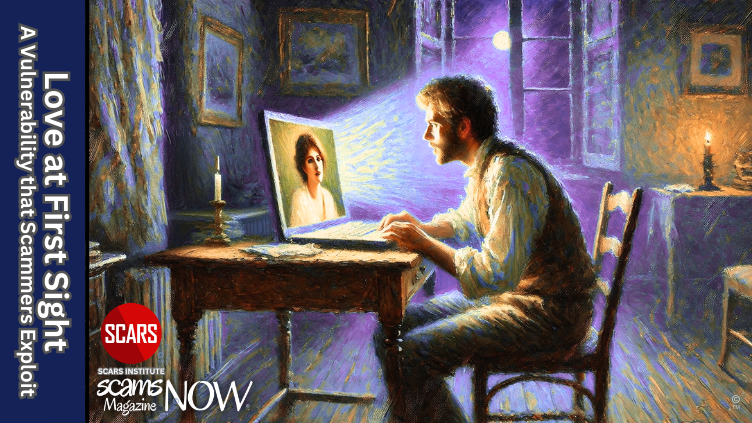
When I accepted that friend request, I unknowingly gave the scammer a key to my private life. At that moment, I did not see it as an intrusion. I thought I was simply opening a door to friendship or connection, something that most people do every day without a second thought. In reality, I was exposing parts of myself that should have remained protected.
Through social media and ongoing communication, the scammer gained access to my photos, my contacts, the places I visited frequently, and the details of my daily routine. Information that once felt personal and harmless became tools that could be used against me. The direct consequence of this was the loss of control over my own personal data. Someone I trusted now possessed information that could be used to manipulate me later or to harm others connected to me.
What frightens me most, even now, is the realization that this information could also be used to impersonate me or to approach people in my life under false pretenses. A scammer can easily pretend to be you or someone you know, using shared details to gain credibility and trust. At the time, I never imagined that something like this was possible. I did not think about identity theft, social engineering, or the long reach of digital manipulation. I believed that my online presence was separate from my real life. I was wrong.
That loss of privacy left me feeling exposed and vulnerable in ways I could not fully articulate at first. It took years for me to understand that protecting my identity is not about fear, but about self-respect and personal safety.
2. The impact on my mental health and the breakdown of trust
The deepest consequence of this experience was not the loss of time or money, but the damage to my emotional security. The betrayal I felt went far beyond disappointment. It reached into the core of how I saw myself and how I related to others. I lost confidence in my own judgment, and that loss was devastating.
In the aftermath, I experienced a mix of shame, guilt, anger, and confusion. I blamed myself for not seeing the warning signs. I replayed conversations over and over in my mind, asking myself how I could have been so blind. Over time, I came to understand that these emotional reactions are common among victims. Feeling this way does not mean you are weak. It means you are human.
What I did not understand at first was how dangerous it can be to ignore these feelings. When emotions like shame and guilt are suppressed instead of addressed, they can quietly shape your life. They can erode your self-esteem, distort your self-image, and keep you trapped in a cycle of self-blame. I learned that emotional wounds do not heal simply because time passes. They require attention, honesty, and compassion toward yourself.
One of the most painful consequences was the loss of trust in my own instincts. I stopped believing in my ability to judge people and situations accurately. I questioned every decision I made. This internal doubt slowly began to affect my relationships and my social life. I withdrew from others because I was afraid of being hurt again. The fear of repeating the experience made me hesitant to open up or form new connections.
That isolation was subtle at first, but it grew over time. I began to close myself off from real people, real opportunities, and real joy. Looking back, I see now that this is one of the most damaging effects of emotional trauma. It does not just hurt you in the moment. It can quietly steal your future if you let it.
3. Grieving for a person who never existed
One of the most confusing aspects of my recovery was the grief I felt for someone who was never real. Logically, I knew the person I had connected with did not exist in the way I believed. Emotionally, that knowledge did not erase the feelings I had experienced. Those feelings were real, even if the person was not.
I had to mourn the loss of a relationship, the loss of shared dreams, and the loss of a future I had imagined. For me, that connection had genuine value. It represented hope, companionship, and the belief that someone truly understood me. Losing that felt like losing a part of myself.
This type of grief is complex and deeply painful. It is not always recognized or understood by others. People may dismiss it because the relationship was based on deception. That dismissal can make the pain feel even more isolating. I learned that grief does not require validation from others to be real. If the bond mattered to you, then the loss matters too.
Healing from this kind of loss takes time, and for me, professional support was essential. Therapy helped me untangle my emotions and understand that grieving was not a sign of weakness. It was a necessary step toward healing. Unfortunately, many victims never receive this kind of support. Out of fear, shame, or embarrassment, they keep their pain hidden.
I was one of them for a long time. I suppressed my feelings and avoided talking about what had happened. I convinced myself that staying silent was easier than facing judgment or misunderstanding. In reality, that silence only deepened my pain. Living with unspoken grief is a heavy burden, and it often delays recovery.
4. The impact of betrayal trauma on my sense of self
One of the most lasting consequences of this experience has been the impact of betrayal trauma on my inner world. What hurt the most was not only that I was deceived, but that the deception came through a relationship where I had allowed myself to be emotionally open. Betrayal trauma does something different than other forms of harm. It shakes the foundation of how you understand closeness, safety, and attachment.
After everything came to light, I realized that my nervous system was constantly on alert. Even in situations that were objectively safe, my body reacted as if danger were present. I became hypervigilant, scanning for signs of dishonesty or hidden intentions. Simple interactions began to feel exhausting because my mind was always evaluating whether someone might hurt me again. This was not a conscious choice. It was a survival response shaped by the trauma of being betrayed.
Betrayal trauma also affected how I saw myself. I questioned my worth and my judgment at the same time. Part of me felt foolish for having trusted, while another part felt deeply wounded for having been exploited. That internal conflict created a painful split. I wanted to protect myself, but I also missed the version of me who could connect freely without fear. Reconciling those two parts has been one of the hardest aspects of healing.
I also noticed changes in how I related to intimacy and emotional closeness. Trust no longer came naturally. Even when people showed consistency and kindness, I struggled to believe it would last. My mind expected betrayal as an outcome, not as a possibility. This expectation affected friendships, family relationships, and any attempt at romantic connection. Betrayal trauma does not stay confined to the original event. It echoes forward, influencing future experiences unless it is addressed.
Over time, I learned that betrayal trauma is not a personal failure. It is a psychological injury that occurs when trust is violated in a relationship that mattered. Understanding this helped me release some of the self-blame I carried for so long. Healing required patience, self-compassion, and professional guidance. It required learning how to feel safe inside myself again before expecting safety from others.
Today, I am still healing, but I am no longer defined by the betrayal. I am learning that trust can be rebuilt slowly, thoughtfully, and with clear boundaries. Betrayal trauma changed me, but it also taught me how deeply I value honesty, integrity, and emotional safety. Those values now guide my relationships and help me move forward with greater awareness and strength.
5. Financial risks and digital security
The financial consequences of the scam added another layer of trauma to an already painful experience. When money is involved, the damage is not just emotional. It becomes tangible and unavoidable. Financial loss can affect your stability, your plans, and your sense of security.
Losing money created an additional burden during my grieving process. While I was trying to process emotional pain, I also had to confront the practical realities of everyday life. Bills still had to be paid. Responsibilities did not disappear. The stress of financial loss intensified my emotional distress and made recovery feel even more overwhelming.
Beyond the immediate loss, there were also long-term concerns about digital security. Once financial information is shared, the risk does not end with the initial scam. There is ongoing anxiety about identity theft, credit fraud, and future exploitation. That constant vigilance can be exhausting and emotionally draining.
What hurts most is knowing that this damage was caused by a decision I made without fully understanding the risks. I never imagined that accepting a friend request could lead to such profound consequences. That single action changed my life in ways I could not foresee.
Moving forward and redefining the experience
After recognizing and accepting the damage, I learned an important truth. Accepting that request did not make me naïve or unintelligent. It showed that I am capable of empathy, openness, and affection. Those qualities are not flaws. They are strengths.
The real wrongdoing lies with the person who chose to exploit those qualities for personal gain. The mistake was not my ability to love or trust. It was the lack of scruples of someone who used those human emotions as a weapon.
The most important consequence of this experience has been learning new boundaries. I learned to pause before acting, to question situations that feel rushed or too perfect, and to protect my personal information more carefully. These lessons did not come easily, but they have made me stronger and more aware.
I know that after living through something like this, trusting again can feel almost impossible. Fear can become a constant companion. But I also know that closing yourself off completely is not the answer. Caution is necessary, but isolation is not healing.
This experience does not define my life. It reshaped it. It forced me to see the world differently and to value myself more deeply. Today, I choose to believe that even the most painful experiences can offer growth and clarity. This decision changed my life, but it did not end it. Instead, it gave me a new perspective on how to live, how to protect myself, and how to move forward with wisdom, compassion, and hope.
It was these experiences that led me to choose a new future. To learn psychology and become a licensed therapist in Mexico. The scam changed my life, but it also created new opportunities.
Las Consecuencias de una Decisión – La Historia de Cómo un Error Afectó Mi Vida
Por Vianey Gonzales, sobreviviente de estafa, psicóloga licenciada y directora del Instituto SCARS
Cuando acepté a un desconocido en mi vida y comencé una relación que más tarde resultó ser un engaño, no tenía idea de cuán profundamente esa sola decisión (un error) me afectaría. En ese momento, no entendía los riesgos, las consecuencias ni el daño a largo plazo que podía surgir de algo que parecía tan pequeño e inofensivo. Aceptar esa solicitud de amistad y responder a esos primeros mensajes se sentía normal, casi insignificante. No podía imaginar que unos cuantos clics terminarían transformando mi mundo emocional, mi sentido de seguridad y mi comprensión de la confianza.
Al principio, todo se desarrolló lentamente. Hubo conversaciones, intereses compartidos y momentos que se sentían reconfortantes y genuinos. Creí que estaba formando una conexión real con otro ser humano. Cuando finalmente salió a la luz la verdad, sentí que mi vida había sido arrojada al caos. Ese momento marcó el inicio de lo que se sintió como el peor tipo de infierno. No entendía lo que estaba sucediendo. Nada tenía sentido. No podía pensar con claridad y buscaba desesperadamente explicaciones que nunca parecían satisfacer por completo mi necesidad de entender por qué esto me había pasado.
Solo más tarde, después de un proceso largo y doloroso de recuperación, pude mirar hacia atrás y reconocer ese inicio devastador por lo que realmente fue. Fue el punto de partida de un camino que nunca elegí, pero que finalmente me obligó a crecer, a enfrentar verdades dolorosas y a reconstruirme. Hoy, ocho años después de haber sido víctima de fraude, puedo ver con claridad el daño que esa experiencia causó. No se limitó a la pérdida económica. Me afectó profundamente como persona. Con el tiempo, he llegado a comprender que las consecuencias de esa decisión pueden identificarse en cinco áreas importantes de mi vida.
1. La vulnerabilidad de mi identidad y privacidad
Cuando acepté esa solicitud de amistad, sin saberlo le di al estafador una llave a mi vida privada. En ese momento, no lo vi como una invasión. Pensé que simplemente estaba abriendo una puerta a la amistad o a una conexión, algo que la mayoría de las personas hace todos los días sin pensarlo dos veces. En realidad, estaba exponiendo partes de mí que debieron haber permanecido protegidas.
A través de las redes sociales y la comunicación constante, el estafador obtuvo acceso a mis fotos, mis contactos, los lugares que visitaba con frecuencia y los detalles de mi rutina diaria. Información que antes se sentía personal e inofensiva se convirtió en herramientas que podían usarse en mi contra. La consecuencia directa de esto fue la pérdida de control sobre mis propios datos personales. Alguien en quien confiaba ahora poseía información que podía usarse para manipularme más adelante o para dañar a otras personas cercanas a mí.
Lo que más me asusta, incluso ahora, es darme cuenta de que esa información también podía usarse para suplantar mi identidad o para acercarse a personas de mi entorno bajo falsos pretextos. Un estafador puede hacerse pasar fácilmente por ti o por alguien que conoces, utilizando detalles compartidos para ganar credibilidad y confianza. En ese momento, nunca imaginé que algo así fuera posible. No pensé en el robo de identidad, la ingeniería social o el alcance de la manipulación digital. Creía que mi presencia en línea estaba separada de mi vida real. Estaba equivocada.
Esa pérdida de privacidad me dejó sintiéndome expuesta y vulnerable de formas que al principio no podía expresar del todo. Me tomó años entender que proteger mi identidad no se trata de vivir con miedo, sino de respeto hacia mí misma y de seguridad personal.
2. El impacto en mi salud mental y la ruptura de la confianza
La consecuencia más profunda de esta experiencia no fue la pérdida de tiempo o de dinero, sino el daño a mi seguridad emocional. La traición que sentí fue mucho más allá de la decepción. Llegó al centro de cómo me veía a mí misma y de cómo me relacionaba con los demás. Perdí la confianza en mi propio juicio, y esa pérdida fue devastadora.
Después de lo ocurrido, experimenté una mezcla de vergüenza, culpa, enojo y confusión. Me culpaba por no haber visto las señales de alerta. Repetía las conversaciones una y otra vez en mi mente, preguntándome cómo pude haber sido tan ciega. Con el tiempo, llegué a entender que estas reacciones emocionales son comunes entre las víctimas. Sentirse así no significa que seas débil. Significa que eres humana.
Lo que no entendí al principio fue lo peligroso que puede ser ignorar estos sentimientos. Cuando emociones como la vergüenza y la culpa se reprimen en lugar de atenderse, pueden moldear silenciosamente tu vida. Pueden erosionar tu autoestima, distorsionar la imagen que tienes de ti misma y mantenerte atrapada en un ciclo de autoculpa. Aprendí que las heridas emocionales no sanan solo porque pase el tiempo. Requieren atención, honestidad y compasión hacia una misma.
Una de las consecuencias más dolorosas fue la pérdida de confianza en mis propios instintos. Dejé de creer en mi capacidad para evaluar correctamente a las personas y las situaciones. Cuestionaba cada decisión que tomaba. Esta duda interna comenzó lentamente a afectar mis relaciones y mi vida social. Me fui aislando de los demás porque tenía miedo de volver a ser lastimada. El temor de repetir la experiencia me hizo dudar en abrirme o en formar nuevas conexiones.
Ese aislamiento fue sutil al principio, pero creció con el tiempo. Comencé a cerrarme a personas reales, a oportunidades reales y a la alegría real. Al mirar atrás, ahora veo que este es uno de los efectos más dañinos del trauma emocional. No solo te lastima en el momento. Puede robarte silenciosamente el futuro si se lo permites.
3. El duelo por una persona que nunca existió
Uno de los aspectos más confusos de mi recuperación fue el duelo que sentí por alguien que nunca fue real. Lógicamente, sabía que la persona con la que me había conectado no existía de la manera en que yo creía. Emocionalmente, ese conocimiento no borró los sentimientos que había experimentado. Esos sentimientos eran reales, aunque la persona no lo fuera.
Tuve que llorar la pérdida de una relación, la pérdida de sueños compartidos y la pérdida de un futuro que había imaginado. Para mí, esa conexión tenía un valor genuino. Representaba esperanza, compañía y la creencia de que alguien realmente me entendía. Perder eso se sintió como perder una parte de mí misma.
Este tipo de duelo es complejo y profundamente doloroso. No siempre es reconocido ni comprendido por los demás. Algunas personas pueden minimizarlo porque la relación se basó en un engaño. Esa falta de comprensión puede hacer que el dolor se sienta aún más aislante. Aprendí que el duelo no necesita la validación de otros para ser real. Si el vínculo fue importante para ti, entonces la pérdida también lo es.
Sanar de este tipo de pérdida toma tiempo y, en mi caso, el apoyo profesional fue esencial. La terapia me ayudó a desenredar mis emociones y a entender que el duelo no era una señal de debilidad. Era un paso necesario para sanar. Lamentablemente, muchas víctimas nunca reciben este tipo de apoyo, aun cuando está disponible. Por miedo, vergüenza o pena, esconden su dolor.
Yo fui una de ellas durante mucho tiempo. Reprimí mis sentimientos y evité hablar de lo que había sucedido. Me convencí de que guardar silencio era más fácil que enfrentar el juicio o la incomprensión. En realidad, ese silencio solo profundizó mi dolor y derivó en trauma. Vivir con un duelo no expresado es una carga muy pesada y, a menudo, retrasa la recuperación.
4. El impacto del trauma por traición en mi sentido de identidad
Una de las consecuencias más duraderas de esta experiencia ha sido el impacto del trauma por traición en mi mundo interior. Lo que más dolió no fue solo haber sido engañada, sino que el engaño ocurrió dentro de una relación en la que me permití estar emocionalmente abierta. El trauma por traición actúa de manera diferente a otras formas de daño. Sacude la base de cómo entiendes la cercanía, la seguridad y el apego.
Después de que todo salió a la luz, me di cuenta de que mi sistema nervioso estaba constantemente en alerta. Incluso en situaciones que eran objetivamente seguras, mi cuerpo reaccionaba como si hubiera peligro. Me volví hipervigilante, buscando señales de deshonestidad o intenciones ocultas. Las interacciones simples comenzaron a sentirse agotadoras porque mi mente evaluaba todo el tiempo si alguien podría volver a lastimarme. Esto no fue una decisión consciente. Fue una respuesta de supervivencia moldeada por el trauma de la traición.
El trauma por traición también afectó la forma en que me veía a mí misma. Cuestionaba mi valor y mi juicio al mismo tiempo. Una parte de mí se sentía tonta por haber confiado, mientras que otra parte se sentía profundamente herida por haber sido utilizada. Ese conflicto interno creó una división dolorosa. Quería protegerme, pero también extrañaba a la versión de mí que podía conectar libremente sin miedo. Reconciliar esas dos partes ha sido uno de los aspectos más difíciles del proceso de sanación.
También noté cambios en la forma en que me relacionaba con la intimidad y la cercanía emocional. La confianza dejó de surgir de manera natural. Incluso cuando las personas mostraban coherencia y amabilidad, me costaba creer que eso fuera a durar. Mi mente esperaba la traición como un resultado, no como una posibilidad. Esta expectativa afectó amistades, relaciones familiares y cualquier intento de conexión romántica. El trauma por traición no se queda limitado al evento original. Se proyecta hacia el futuro e influye en experiencias posteriores si no se aborda.
Con el tiempo, aprendí que el trauma por traición no es un fracaso personal. Es una herida psicológica que ocurre cuando la confianza se rompe en una relación que fue importante. Entender esto me ayudó a liberar parte de la autoculpa que cargué durante tanto tiempo. Sanar requirió paciencia, autocompasión y acompañamiento profesional. Requirió aprender a sentirme segura dentro de mí misma antes de esperar seguridad de los demás.
Hoy sigo sanando, pero ya no estoy definida por la traición. Estoy aprendiendo que la confianza puede reconstruirse lentamente, de forma consciente y con límites claros. El trauma por traición me cambió, pero también me enseñó cuánto valoro la honestidad, la integridad y la seguridad emocional. Esos valores ahora guían mis relaciones y me ayudan a avanzar con mayor conciencia y fortaleza.
5. Riesgos financieros y seguridad digital
Las consecuencias financieras de la estafa añadieron otra capa de trauma a una experiencia ya dolorosa. Cuando hay dinero de por medio, el daño no es solo emocional. Se vuelve tangible e inevitable. La pérdida económica puede afectar tu estabilidad, tus planes y tu sentido de seguridad.
Perder dinero creó una carga adicional durante mi proceso de duelo. Mientras intentaba procesar el dolor emocional, también tenía que enfrentar las realidades prácticas de la vida diaria. Las cuentas seguían llegando. Las responsabilidades no desaparecieron. El estrés de la pérdida financiera intensificó mi malestar emocional e hizo que la recuperación se sintiera aún más abrumadora.
Más allá de la pérdida inmediata, también surgieron preocupaciones a largo plazo sobre la seguridad digital. Una vez que se comparte información financiera, el riesgo no termina con la estafa inicial. Existe una ansiedad constante por el robo de identidad, el fraude crediticio y la explotación futura. Esa vigilancia permanente puede ser agotadora y emocionalmente desgastante.
Lo que más duele es saber que este daño fue causado por una decisión que tomé sin comprender plenamente los riesgos. Nunca imaginé que aceptar una solicitud de amistad pudiera llevar a consecuencias tan profundas. Esa sola acción cambió mi vida de formas que no podía prever.
No fue mi culpa; fue causado por criminales, pero las consecuencias permanecen.
Avanzar y redefinir la experiencia
Después de reconocer y aceptar el daño, aprendí una verdad importante. Aceptar esa solicitud no me hizo ingenua ni tonta. Demostró que soy capaz de empatía, apertura y afecto. Esas cualidades no son defectos. Son fortalezas.
La verdadera falta está en los criminales que decidieron explotar esas cualidades para su propio beneficio. El error no fue mi capacidad de amar o confiar. Fue la falta de escrúpulos de quienes usaron esas emociones humanas como un arma.
La consecuencia más importante de esta experiencia ha sido aprender nuevos límites. Aprendí a detenerme antes de actuar, a cuestionar situaciones que se sienten apresuradas o demasiado perfectas, y a proteger mi información personal con mayor cuidado. Estas lecciones no llegaron fácilmente, pero me hicieron más fuerte y más consciente.
Sé que después de vivir algo así, volver a confiar puede sentirse casi imposible. El miedo puede convertirse en un compañero constante. Pero también sé que cerrarte por completo no es la respuesta. La cautela es necesaria, pero el aislamiento no sana.
Esta experiencia no define mi vida. La transformó. Me obligó a ver el mundo de otra manera y a valorarme más profundamente. Hoy elijo creer que incluso las experiencias más dolorosas pueden ofrecer crecimiento y claridad. Esta decisión cambió mi vida, pero no la terminó. Al contrario, me dio una nueva perspectiva sobre cómo vivir, cómo protegerme y cómo avanzar con sabiduría, compasión y esperanza.
Fueron estas experiencias las que me llevaron a elegir un nuevo futuro. A estudiar psicología y convertirme en terapeuta licenciada en México. La estafa cambió mi vida, pero también creó nuevas oportunidades.

Author Biographies
-/ 30 /-
What do you think about this?
Please share your thoughts in a comment below!
One Comment
Leave A Comment
TABLE OF CONTENTS




CATEGORIES
ARTICLE META
Important Information for New Scam Victims
- Please visit www.ScamVictimsSupport.org – a SCARS Website for New Scam Victims & Sextortion Victims.
- SCARS Institute now offers its free, safe, and private Scam Survivor’s Support Community at www.SCARScommunity.org – this is not on a social media platform, it is our own safe & secure platform created by the SCARS Institute especially for scam victims & survivors.
- SCARS Institute now offers a free recovery learning program at www.SCARSeducation.org.
- Please visit www.ScamPsychology.org – to more fully understand the psychological concepts involved in scams and scam victim recovery.
If you are looking for local trauma counselors, please visit counseling.AgainstScams.org
If you need to speak with someone now, you can dial 988 or find phone numbers for crisis hotlines all around the world here: www.opencounseling.com/suicide-hotlines
Statement About Victim Blaming
Some of our articles discuss various aspects of victims. This is both about better understanding victims (the science of victimology) and their behaviors and psychology. This helps us to educate victims/survivors about why these crimes happened and not to blame themselves, better develop recovery programs, and help victims avoid scams in the future. At times, this may sound like blaming the victim, but it does not blame scam victims; we are simply explaining the hows and whys of the experience victims have.
These articles, about the Psychology of Scams or Victim Psychology – meaning that all humans have psychological or cognitive characteristics in common that can either be exploited or work against us – help us all to understand the unique challenges victims face before, during, and after scams, fraud, or cybercrimes. These sometimes talk about some of the vulnerabilities the scammers exploit. Victims rarely have control of them or are even aware of them, until something like a scam happens, and then they can learn how their mind works and how to overcome these mechanisms.
Articles like these help victims and others understand these processes and how to help prevent them from being exploited again or to help them recover more easily by understanding their post-scam behaviors. Learn more about the Psychology of Scams at www.ScamPsychology.org
SCARS INSTITUTE RESOURCES:
If You Have Been Victimized By A Scam Or Cybercrime
♦ If you are a victim of scams, go to www.ScamVictimsSupport.org for real knowledge and help
♦ SCARS Institute now offers its free, safe, and private Scam Survivor’s Support Community at www.SCARScommunity.org/register – this is not on a social media platform, it is our own safe & secure platform created by the SCARS Institute especially for scam victims & survivors.
♦ Enroll in SCARS Scam Survivor’s School now at www.SCARSeducation.org
♦ To report criminals, visit https://reporting.AgainstScams.org – we will NEVER give your data to money recovery companies like some do!
♦ Follow us and find our podcasts, webinars, and helpful videos on YouTube: https://www.youtube.com/@RomancescamsNowcom
♦ Learn about the Psychology of Scams at www.ScamPsychology.org
♦ Dig deeper into the reality of scams, fraud, and cybercrime at www.ScamsNOW.com and www.RomanceScamsNOW.com
♦ Scam Survivor’s Stories: www.ScamSurvivorStories.org
♦ For Scam Victim Advocates visit www.ScamVictimsAdvocates.org
♦ See more scammer photos on www.ScammerPhotos.com
You can also find the SCARS Institute’s knowledge and information on Facebook, Instagram, X, LinkedIn, and TruthSocial
Psychology Disclaimer:
All articles about psychology and the human brain on this website are for information & education only
The information provided in this and other SCARS articles are intended for educational and self-help purposes only and should not be construed as a substitute for professional therapy or counseling.
Note about Mindfulness: Mindfulness practices have the potential to create psychological distress for some individuals. Please consult a mental health professional or experienced meditation instructor for guidance should you encounter difficulties.
While any self-help techniques outlined herein may be beneficial for scam victims seeking to recover from their experience and move towards recovery, it is important to consult with a qualified mental health professional before initiating any course of action. Each individual’s experience and needs are unique, and what works for one person may not be suitable for another.
Additionally, any approach may not be appropriate for individuals with certain pre-existing mental health conditions or trauma histories. It is advisable to seek guidance from a licensed therapist or counselor who can provide personalized support, guidance, and treatment tailored to your specific needs.
If you are experiencing significant distress or emotional difficulties related to a scam or other traumatic event, please consult your doctor or mental health provider for appropriate care and support.
Also read our SCARS Institute Statement about Professional Care for Scam Victims – click here
If you are in crisis, feeling desperate, or in despair, please call 988 or your local crisis hotline – international numbers here.
More ScamsNOW.com Articles



A Question of Trust
At the SCARS Institute, we invite you to do your own research on the topics we speak about and publish. Our team investigates the subject being discussed, especially when it comes to understanding the scam victims-survivors’ experience. You can do Google searches, but in many cases, you will have to wade through scientific papers and studies. However, remember that biases and perspectives matter and influence the outcome. Regardless, we encourage you to explore these topics as thoroughly as you can for your own awareness.



yes I am trying to recover finally accepted it in Dec but mine was a dating app will never put a profile there i feel this same hurt so violated