


The Art of Recovery and Healing – Free SCARS Institute eBook

The SCARS Institute Magazine about Scam Victims-Survivors, Scams, Fraud & Cybercrime

- Published: 9/1/26
- Modified: 9/1/26
- Comments: 0
- Read Status:
Free, Safe, and Confidential After-Scam Healing & Support is Available from the SCARS Institute
Join Us www.SCARScommunity.org

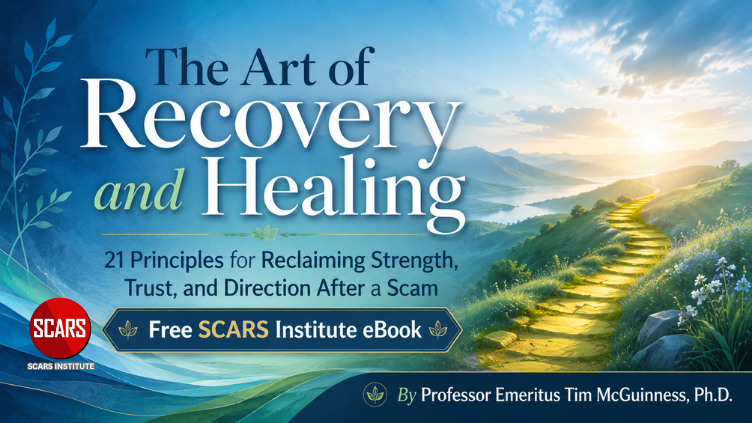
The Art of Recovery and Healing
心理復原與療癒的藝術
21 Principles for Reclaiming Strength, Trust, and Direction After a Scam
Free SCARS Institute eBook
Primary Category: Psychology / Philosophy / Recoverology
Author:
• Tim McGuinness, Ph.D., DFin, MCPO, MAnth – Anthropologist, Scientist, Polymath, Managing Director of the Society of Citizens Against Relationship Scams Inc.
Author Biographies Below
About This eBook
This Free SCARS Institute eBook: The Art of Recovery & Healing adapts 21 strategic principles associated with Sun Tzu’s The Art of War to the needs of traumatized scam victims. Recovery is treated as a deliberate process involving accurate understanding, protection of resources, preparation, reliable information, appropriate timing, selective use of effort, adaptation, discipline, psychological awareness, and outside support. The principles distinguish urgent safety actions from slower emotional healing and emphasize that victims do not need to fight every feeling, conflict, or uncertainty. Survivors are encouraged to verify important information, rebuild self-trust without abandoning consultation, protect remaining financial and emotional resources, and adjust recovery strategies as circumstances change. The central objective is greater agency, stability, judgment, and direction without turning healing into another source of unnecessary suffering.
Note: This book is intended for informational purposes and does not replace professional medical advice. If you are experiencing distress, please consult a qualified mental health professional.
Keywords
Recovery Strategy, Scam Victim Recovery, Trauma Healing, Personal Agency, Self-Trust, Reliable Information, Emotional Recovery, Recovery Planning, Resource Preservation, Strategic Healing

The Art of Recovery & Healing – An Adaptation of Sun Tzu’s The Art of War for Traumatized Scam Victims
21 Principles for Reclaiming Strength, Trust, and Direction After a Scam
By Professor Emeritus Tim McGuinness, Ph.D.
Foreword
The Art of Recovery & Healing takes ideas originally expressed in the language of warfare and applies them carefully to a very different human problem. Recovery after a scam is not a battle against grief, trauma, attachment, or the person who was victimized. The useful connection lies in strategy: understanding present conditions, conserving limited resources, gathering reliable information, choosing where effort belongs, avoiding unnecessary conflict, preparing before difficult situations, and changing methods when circumstances change.
The purpose of these principles is to help scam survivors think more deliberately about recovery without becoming rigid, suspicious, or punitive toward themselves. A survivor does not need to control every emotion or eliminate every uncertainty. Greater healing can come from learning which problems can be changed, which require professional help, which need time, and which eventually require acceptance. The larger goal is to return increasing authority over decisions, relationships, resources, and future direction to the person whose choices were manipulated during the crime.
Introduction
Sun Tzu’s The Art of War was written about conflict, strategy, preparation, intelligence, discipline, timing, resources, and the intelligent use of effort. Its language belongs to warfare, but many of its underlying principles concern something much broader: how a person responds when confronted by difficult conditions that cannot be controlled through emotion alone.
Recovery after a scam is not warfare. A scam victim is not a soldier, grief is not an enemy army, and healing should never become a campaign against the self. The value of adapting these principles comes from another direction. Sun Tzu repeatedly argued that successful action begins with understanding conditions as they actually exist, conserving resources, avoiding unnecessary conflict, gathering reliable information, adapting when circumstances change, and refusing to spend strength where it produces no useful result. Those ideas have direct relevance to recovery.
A scam can leave you feeling as though control has been taken away from you. Someone manipulated information, influenced your decisions, exploited trust, distorted reality, and possibly caused severe financial, emotional, social, or legal consequences. When the crime ends, you inherit those consequences. You can also inherit habits formed during the scam: reacting urgently, searching for explanations, doubting your own judgment, defending yourself against criticism, isolating, chasing certainty, or remaining emotionally attached to the person who deceived you.
Recovery requires a different way of responding.
The twenty-one principles that follow adapt strategic ideas associated with The Art of War into principles for healing. They are not instructions for becoming harder, colder, suspicious, or combative. They are instructions for becoming more deliberate. They encourage you to understand what happened, recognize your present condition, protect your resources, choose where to place your effort, reduce unnecessary suffering, accept useful support, and respond to changing conditions with greater awareness.
Your recovery does not depend upon winning every internal struggle. It depends upon learning which struggles deserve your energy, which beliefs require examination, which habits need to change, which relationships need repair, and which parts of the past must be accepted because they cannot be rewritten.
The criminal controlled much of what happened during the scam. Recovery begins when more of the decisions about what happens next return to you.
– – –

– – –
Principle 1:
Know Yourself and Know What Happened
Sun Tzu’s first strategic lesson becomes one of the most important principles of recovery: you cannot respond effectively to something you do not understand, and you cannot rebuild yourself while refusing to examine what the experience actually affected.
After a scam, you can spend enormous energy asking why the criminal did what they did. You can investigate identities, locations, scripts, photographs, organizations, payment channels, and criminal motives. Some factual understanding is useful, especially when reporting the crime or protecting yourself from further contact. But your recovery depends much more heavily on understanding what happened inside your own life.
You need to know what you believed during the scam, what needs the criminal appeared to meet, what pressures influenced your decisions, what relationships changed, what financial consequences remain, what emotions continue to surface, and what beliefs about yourself have changed since discovery. You also need to understand the methods used against you. Learning how grooming, authority, urgency, attachment, repetition, cognitive bias, social isolation, and emotional manipulation work can replace vague self-condemnation with specific explanation.
Knowing yourself does not mean searching for a defect that supposedly caused the crime. It means developing an accurate picture of your present condition. Perhaps your strongest struggle is grief. Perhaps it is shame. Perhaps you still miss the criminal. Perhaps your finances create more distress than the emotional loss. Perhaps you no longer trust your judgment. Perhaps anger toward family members has become a major obstacle.
Recovery becomes clearer when the problem becomes specific.
You also need to distinguish what belongs to you from what belongs to the criminal. The criminal owns the deception. You own the decisions you make now. Those are different forms of responsibility.
Five actions you can take are:
- Write a factual timeline of the scam, including what you believed at each major stage rather than judging those beliefs from hindsight;
- Identify the three consequences that are affecting your life most strongly right now;
- Learn the specific manipulation methods used against you so that you can replace vague self-blame with understanding;
- Notice which thoughts about yourself became stronger after discovery, especially beliefs involving intelligence, worth, trust, or competence;
- Discuss the patterns you identify with a therapist, support provider, or other qualified professional who can help you distinguish trauma reactions from conclusions about who you are.
Knowing yourself does not mean knowing everything. It means becoming sufficiently honest about your present position that you can begin making decisions based on reality rather than shame, fear, or the criminal’s story.
– – –
– – –
Principle 2:
Win Without Fighting Whenever Possible
Recovery can become exhausting when every painful thought, emotion, memory, disagreement, or setback is treated as something that must be defeated. After a scam, you can feel as though you are surrounded by battles. You may fight grief because you believe you should already be over it. You may fight attachment because you know the relationship was fraudulent. You may fight anger because you do not like what it is doing to you. You may fight shame, memories, family reactions, financial consequences, and unanswered questions. Eventually, recovery itself can begin to feel like another conflict that you must somehow win.
You do not need to fight everything you feel.
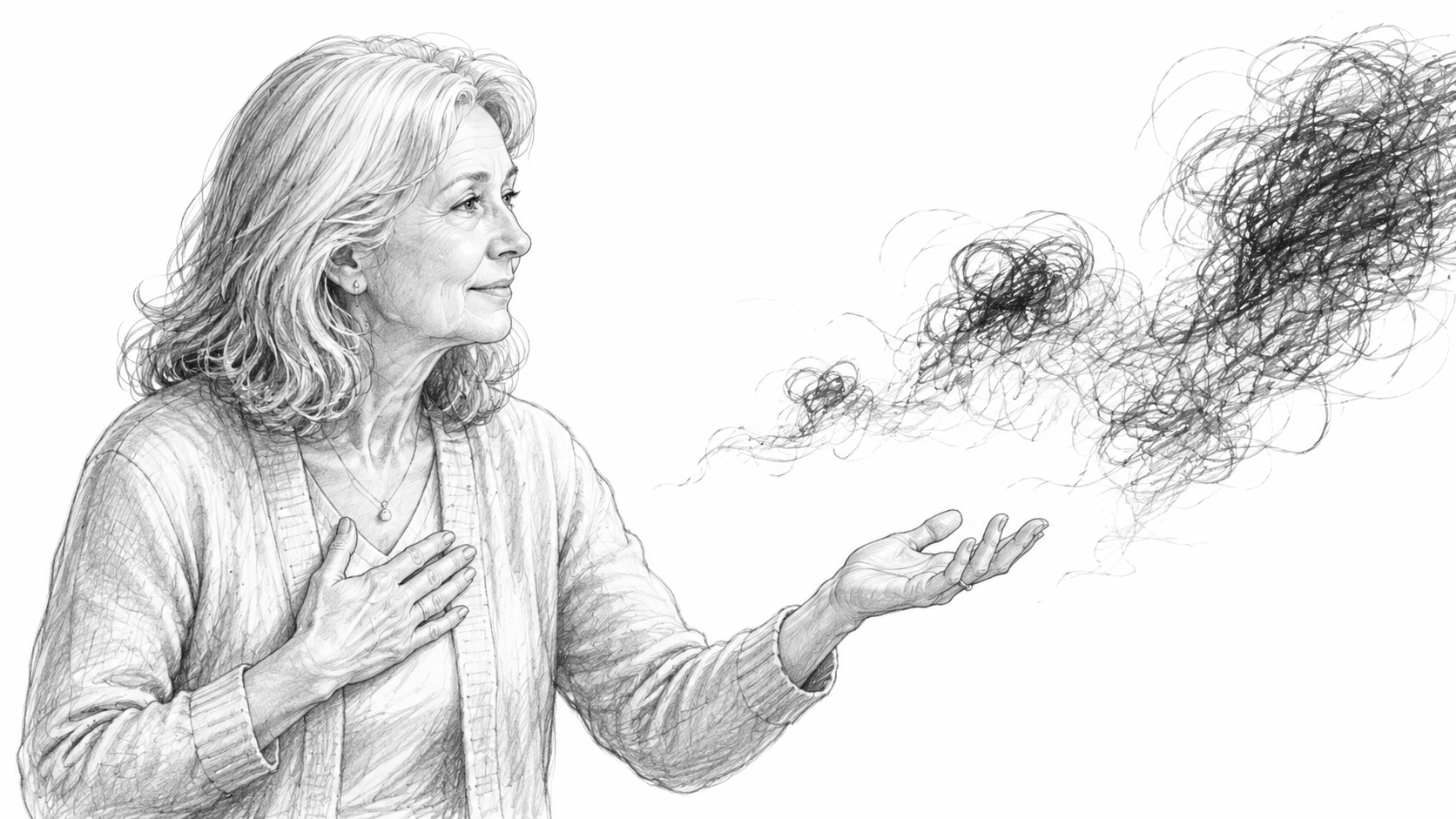
Some emotional experiences lose part of their power when you stop treating their existence as evidence that something is wrong. If you miss the person you thought existed, that feeling does not mean you have rejected reality. Your mind formed an attachment before you knew the truth. If grief returns after several good weeks, that does not mean you have lost your progress. If a memory hurts, you do not have to force yourself to forget it. Fighting the fact that an emotion exists can create a second layer of suffering on top of the original pain.
Winning without fighting means learning where acceptance accomplishes more than resistance. You can recognize sadness without surrendering your day to it. You can experience anger without acting impulsively. You can notice the urge to contact the criminal without obeying it. You can allow uncertainty to exist without spending six hours searching for an answer that may not exist.
This principle also applies to other people. You do not have to persuade every relative to understand scam victimization exactly as you do. You do not need to answer every insensitive remark. You do not need to confront the criminal to prove that you now understand the deception. You do not need to win every disagreement in a support community. Some conflicts produce understanding or necessary boundaries. Others simply consume strength.
Some of the strongest recovery decisions are not acts of confrontation. They are decisions to stop giving unnecessary battles access to your time, attention, and emotional life.
Five actions you can take are:
- When a painful emotion appears, ask whether it needs action or simply needs to be experienced without judgment;
- Identify one recurring argument, online activity, or investigation that consumes energy without changing your circumstances;
- Practice replacing “I must stop feeling this” with a more accurate statement such as “I can feel this without allowing it to control what I do next”;
- Block or disengage from unnecessary contact with criminals, impersonators, recovery scammers, or people who repeatedly destabilize you;
- Choose one unresolved issue that you cannot control and practice accepting its uncertainty instead of repeatedly trying to force an answer.
You do not heal by defeating every uncomfortable experience. Some victories occur when you refuse to continue a fight that no longer serves your recovery.
– – –
– – –
Principle 3:
Deception Is Central to Warfare, So Reality Must Be Central to Recovery
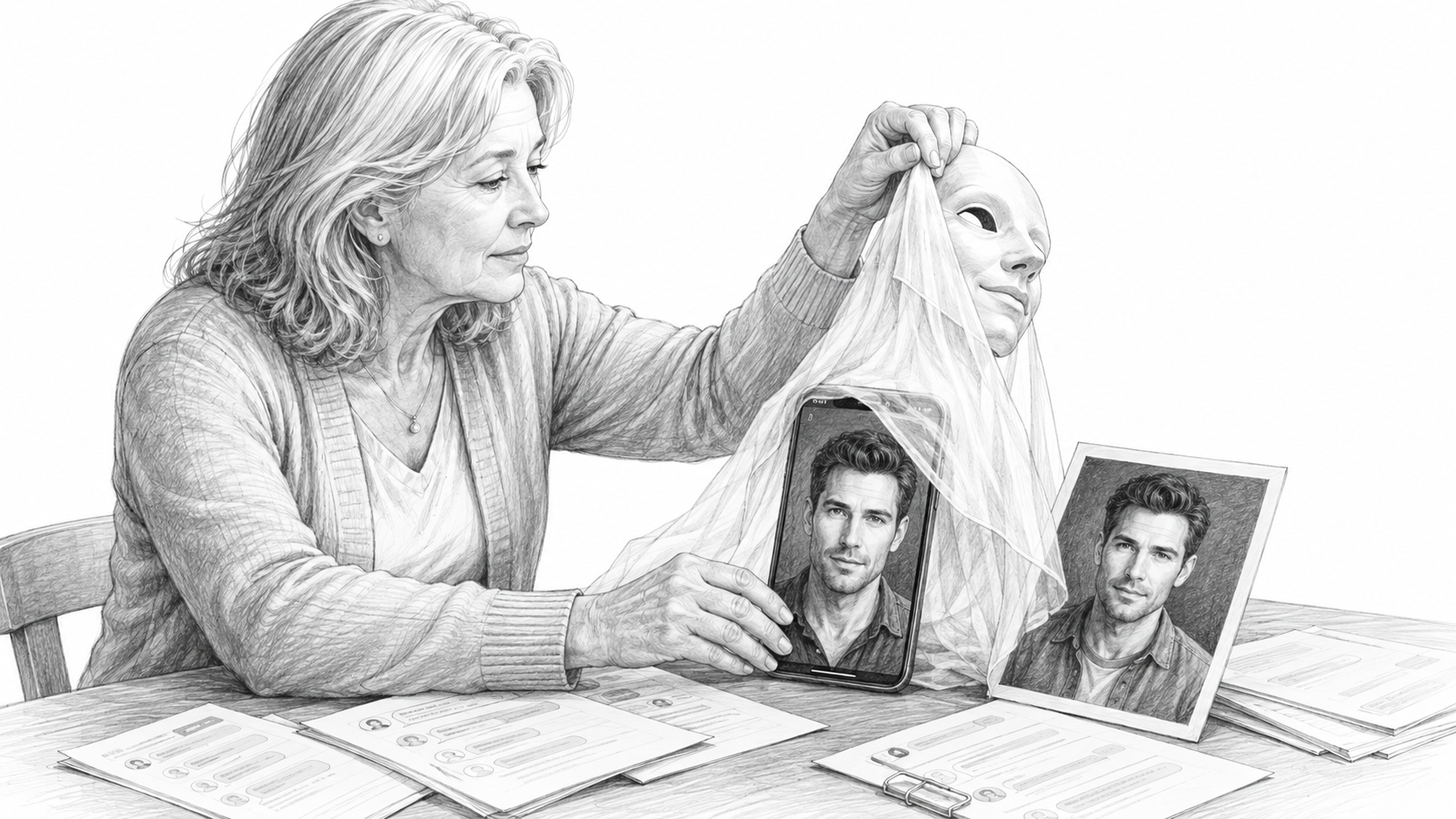
A scam succeeds through deception. The criminal does not merely tell you one falsehood and wait for you to believe it. The criminal can construct an entire environment in which one deception supports another. A false identity supports a false relationship. A stolen photograph supports the identity. Fabricated documents support professional claims. Manufactured emergencies support requests for money. Repeated communication creates familiarity, and familiarity can increase trust. The story becomes convincing because its individual parts appear to confirm one another.
Recovery must move in the opposite direction.
Your task is not to punish yourself for having believed the deception. Your task is to reconstruct reality carefully enough that the criminal no longer controls how you understand what happened. That can require separating what you know from what you were told, what you felt from what actually occurred, and what you hoped would happen from what was realistically possible.
This can be painful because the scam narrative may have contained things that mattered deeply to you. It might have included love, companionship, marriage, financial security, travel, professional success, rescue from loneliness, or a future you had already begun imagining. When the deception collapses, the loss is not limited to recognizing that the criminal lied. You can also lose the future that had become psychologically real to you.
Reality does not require you to deny that your feelings were genuine. You can recognize that the relationship was fraudulent while acknowledging that your attachment was real. You can understand that the emergencies were fabricated while remembering that your concern was sincere. You can accept that the promised future did not exist while still grieving what you believed you were moving toward.
Recovery is not built on a more comforting version of the scam. It is built on reality, including the parts that remain painful, incomplete, or impossible to explain. The criminal benefited when reality was distorted. You benefit when reality becomes yours again.
Five actions you can take are:
- Separate verified facts about the scam from explanations supplied by the criminal;
- Review financial records so that the actual losses, debts, transfers, or continuing obligations are known rather than estimated vaguely;
- Identify beliefs that survive despite contradictory evidence, especially beliefs that the criminal secretly cared or intended eventually to fulfill promises;
- Use independent sources when verifying identities, investments, companies, legal claims, or financial information rather than relying on explanations from interested parties;
- When hindsight produces self-attack, return to the information you actually possessed at the time of the decision.
The scam required distortion. Healing requires reality, including realities that are painful, incomplete, or less satisfying than the story you were given.
– – –

– – –
Principle 4:
Attack the Strategy Before the Army
In recovery, this principle means addressing the pattern that produces repeated distress instead of fighting every individual reaction as though it were a separate problem. A painful thought can appear to be the problem when the larger issue is the belief beneath it. Anxiety can seem like the problem when avoidance has been reinforcing it for months. A family disagreement can seem like the problem when shame is causing every question to feel like an accusation.
If you fight only the individual episode, another episode can appear tomorrow.
Suppose you repeatedly think, “I cannot trust my judgment.” You can challenge that thought every time it appears, but the deeper belief can influence hundreds of ordinary decisions. Buying something online, meeting a new person, signing a document, choosing a repair service, or making a financial decision can all become threatening because the underlying belief remains active. What appears to be a collection of unrelated anxieties may actually be one belief expressing itself in many situations.
The same thing can happen with worthiness, shame, fear of rejection, or the belief that other people now see you as foolish. You can respond to each uncomfortable interaction separately while missing the structure connecting them.
Scammers understood the value of influencing the structure. They did not need to control every decision directly. They created conditions involving attachment, urgency, hope, fear, guilt, authority, or dependency, and those conditions influenced later decisions. Recovery can use structural understanding in a healthy way. Instead of endlessly fighting individual reactions, you can begin working on the beliefs and behavioral patterns that repeatedly create them.
Individual symptoms still matter. Your pain is not reduced to an abstract pattern. But when several problems share the same foundation, working at the foundation can produce change across more than one area of your life. Recovery becomes more effective when you stop treating every emotional reaction as a separate battle and begin recognizing the structure that keeps producing them.
Five actions you can take are:
- When the same emotional problem appears repeatedly, ask what belief or expectation sits underneath it;
- Keep a short record of recurring triggers and look for patterns rather than treating each incident as unrelated;
- Bring repeated patterns to therapy instead of discussing only the most recent event;
- Identify one belief about yourself that influences several areas of your recovery, such as “I am unsafe,” “I am unworthy,” or “I cannot trust anyone”;
- Choose one behavioral pattern, such as avoidance, reassurance seeking, isolation, or obsessive investigation, and examine what emotional need it is attempting to satisfy.
Treating the deeper structure does not make individual distress irrelevant. It gives you a better place to work.
– – –

– – –
Principle 5:
Avoid Strength and Work Where Change Is Possible
In recovery, this principle does not mean looking for weakness in another person. It means directing your limited energy toward the parts of your situation that can actually change instead of repeatedly attacking problems that are currently beyond your control.
Some consequences of a scam are extraordinarily resistant to effort. The money may be gone. The criminal may never be identified. Law enforcement may never make an arrest. The person who deceived you may never admit what they did. Family members may never fully understand your experience. You may never know whether a particular conversation was scripted, whether several criminals shared the account, or whether any moment of apparent affection contained something genuine.
You can spend enormous amounts of energy pushing against these questions and conditions without moving them.
That does not mean they are unimportant. It means their importance does not automatically make them controllable.
Recovery becomes more manageable when you identify where your actions can still produce change. You cannot force the criminal to provide truthful closure, but you can stop using the criminal as a source of information. You cannot make a lost future happen, but you can begin constructing another one. You cannot erase financial losses, but you can protect remaining resources and make decisions about current obligations. You cannot change an insensitive relative, but you can decide what boundaries or conversations are appropriate.
This distinction becomes especially important when activity begins masquerading as progress. Searching for the criminal for another five hours is activity. Reading every old message again is activity. Monitoring fake accounts is activity. None of these automatically moves you toward recovery.
You do not have unlimited strength. Recovery does not require you to prove how much force you can apply to an immovable problem. It requires judgment about where your effort has the greatest chance of improving the life you still have.
Five actions you can take are:
- Divide current problems into those you can influence now and those you cannot presently change;
- Place most of your recovery effort into problems where action can produce a measurable result;
- Set a limit on criminal investigation once evidence needed for reporting and personal understanding has been preserved;
- Ask a therapist or support provider to help identify areas where repeated effort has become unproductive rumination;
- Choose one manageable problem each week that can actually be improved, such as sleep routines, financial organization, family communication, participation, or education.
Recovery becomes less overwhelming when you stop measuring commitment by how hard you attack the most immovable problem.
– – –

– – –
Principle 6:
Shape Circumstances Rather Than Merely React to Them
During a scam, you can spend months or years reacting to circumstances created by someone else. The criminal creates an emergency, and you respond. A payment problem appears, and you respond. The criminal withdraws emotionally, and you respond. A new promise is made, and you adjust your plans. Another crisis appears, and once again your attention moves toward whatever the criminal has placed in front of you.
That pattern of reaction can continue after the scam ends.
You can wait until anxiety becomes overwhelming before seeking support. You can wait until family conflict erupts before discussing boundaries. You can wait until another suspicious person contacts you before learning how to verify identity. You can wait until financial stress reaches crisis level before examining the numbers. Recovery becomes stronger when you stop living entirely in response to the next problem.
You can begin shaping some of the conditions around you.
This is one practical way agency returns. Agency is not simply the feeling that you are back in control. It develops when you repeatedly make decisions before circumstances force those decisions upon you. You create routines. You establish safeguards. You decide how you will respond to future requests for money. You arrange support before a difficult anniversary. You tell family members what kind of help is useful before the next conflict occurs.
You cannot control every condition. Trauma symptoms can appear unexpectedly. Financial consequences can arrive in the mail. Criminals can contact you from new accounts. Other people can disappoint you. Shaping circumstances means changing what can reasonably be changed so that fewer important decisions must be made while you are frightened, exhausted, lonely, or under pressure.
Recovery becomes more stable when your life contains structures that you created rather than remaining organized around problems that arrive without warning. You are not waiting for circumstances to decide what happens next. You are beginning to influence the conditions under which your future decisions will be made.
Five actions you can take are:
- Establish a weekly recovery routine that includes education, social contact, practical tasks, rest, and professional support where appropriate;
- Put financial and digital safeguards in place before another suspicious contact occurs;
- Tell trusted people what you want them to do if they become concerned about a future relationship or financial decision;
- Schedule difficult practical tasks rather than waiting until fear or urgency forces action;
- Identify one part of your environment that repeatedly increases distress and make a specific change to reduce its influence.
You cannot control everything surrounding recovery. But every condition you deliberately shape reduces the number of decisions that must be made while frightened, exhausted, lonely, or overwhelmed.
– – –

– – –
Principle 7:
Preparation Should Precede Confrontation
Recovery includes situations that can be difficult even when you know they are necessary. You may need to talk with family members about what happened. You may need to review financial losses, meet with an attorney, speak with law enforcement, attend therapy, confront a painful belief, or eventually enter another relationship. These situations can become much harder when you encounter them without preparation.
Preparation does not remove emotion. It reduces unnecessary uncertainty and gives you something to rely on when emotion becomes strong.
Consider a difficult conversation with family. If you enter the conversation already angry, unsure of what you want to say, and expecting to defend every decision you made during the scam, the discussion can quickly become another painful argument. If you prepare by deciding what you actually want the conversation to accomplish, identifying the information you want to communicate, and recognizing which subjects you are not ready to discuss, you enter the same situation under different conditions.
Preparation matters with triggers as well. An anniversary, legal proceeding, financial statement, or familiar photograph can activate memories unexpectedly. You cannot predict every trigger, but you can prepare for events you already know will be difficult. You can arrange support, reduce other demands, discuss the event with your therapist, or decide in advance what you will do if distress becomes intense.
The same principle applies to future safety. You do not need to wait until someone asks for money before deciding how you will verify the request. You do not need to wait until an online relationship becomes emotionally intense before deciding what identity verification you consider reasonable.
To apply this principle, take five actions. First, before a difficult conversation, write down what you want the other person to understand and what outcome you realistically hope to achieve. Second, schedule emotionally or financially demanding tasks at times when you are rested and have support available if needed. Third, develop a plan with your therapist or support provider for predictable triggers such as anniversaries, court proceedings, financial deadlines, or renewed criminal contact. Fourth, establish verification rules for important financial and relationship decisions before emotion becomes deeply involved. Fifth, create a personal response plan for moments when you feel an urge to contact the criminal, including who you will contact and what you will do before taking any action.
Preparation is not an admission that you are incapable of coping spontaneously. It is recognition that difficult conditions affect judgment. You deserve the advantage of entering those conditions with a plan instead of requiring yourself to invent one while already overwhelmed.
Five actions you can take are:
- Before a difficult conversation, write down the two or three points you actually want to communicate so that emotion does not determine the entire discussion;
- Schedule financially or emotionally difficult tasks during periods when you are less exhausted and more able to think clearly;
- Develop a plan with your therapist or support provider for known triggers such as anniversaries, legal proceedings, or renewed scam contact;
- Decide in advance what verification standards you will use before sending money, sharing credentials, or entering significant online relationships;
- Create a personal response plan for moments when you feel an urge to contact the criminal, including who you will call and what you will do before taking action.
Preparation is not fear. It is respect for the fact that difficult situations affect judgment differently when they arrive without warning.
– – –

– – –
Principle 8:
Reliable Information Determines the Quality of Decisions
A scam succeeds partly by corrupting the information available to you. The criminal can control identity claims, photographs, documents, financial information, emergencies, professional credentials, explanations, and promises. You can make what appears to be a reasonable decision based on information that has been deliberately manufactured. This distinction matters because after discovery you can judge yourself as though the facts you know today should somehow have been available to you when the deception was still operating.
They were not.
Recovery requires rebuilding your relationship with information. You need to become more comfortable distinguishing between what you know, what you believe, what someone has told you, what you assume, and what has actually been verified. Those categories are not the same.
Feeling certain is not proof. At the same time, discovering that certainty once failed you does not mean that you must spend the rest of your life distrusting every judgment you make. The safer lesson is not “I can never trust myself.” The safer lesson is “Important decisions deserve reliable information and independent verification.”
Good intelligence also includes knowledge about your own recovery. Understanding trauma, grief, attachment, manipulation, cognitive bias, shame, and stress can change how you interpret your reactions. Without that information, you can mistake normal consequences of victimization for evidence that you are weak, irrational, permanently damaged, or incapable of recovery. Knowledge gives you another explanation to compare against self-condemnation.
Reliable intelligence does not eliminate uncertainty. Nothing can. It reduces the amount of your life that must depend upon assumptions controlled by someone else.
You do not need perfect intuition to make sound decisions. You need access to reality, real information, enough time to examine it, and the willingness to verify what matters before acting.
Five actions you can take are:
- Separate information into three categories when making major decisions: verified facts, reasonable assumptions, and things you simply do not know;
- Use independent sources whenever checking a person, institution, financial opportunity, or legal claim;
- Create a rule that significant financial decisions receive review from at least one trusted independent person;
- Learn from credible trauma and fraud education rather than relying on social media anecdotes alone;
- When certainty feels unusually strong, ask what evidence would change your mind and whether you have actually looked for it.
Recovery does not require you to know everything. It requires enough reliable information that your decisions no longer depend on someone else controlling the story.
– – –

– – –
Principle 9:
Speed Can Create Advantage, but Only When Speed Serves Safety
After a scam is discovered, some actions become more effective when they happen quickly. The criminal may still have access to your money, accounts, devices, personal information, passwords, identity documents, or payment methods. Another transfer may already be planned. The criminal may realize that you are becoming suspicious and attempt to obtain one final payment, move funds, erase evidence, change accounts, or disappear. In these circumstances, speed can reduce additional harm.
This does not mean that recovery itself should become another emergency. That distinction is important because scammers frequently condition victims to respond rapidly. There is always an urgent payment, medical emergency, travel problem, frozen account, investment deadline, customs charge, legal problem, or other crisis that supposedly cannot wait. After living inside that pattern, you can become accustomed to reacting immediately whenever something feels threatening. Recovery requires you to use speed selectively rather than allowing urgency to control you.
You can block a criminal quickly, but emotional attachment may take much longer to weaken. You can change a password within minutes, while rebuilding confidence in your judgment can require months of experience. You can report the crime within days, but grief does not respond to a reporting deadline. You can stop sending money immediately, while accepting that the imagined future will never happen can take considerable time.
The strategic use of speed means moving quickly where delay increases risk and slowing down where haste can create another problem. Financial protection, account security, evidence preservation, and stopping criminal contact generally benefit from prompt action. Major emotional decisions, new relationships, decisions about forgiveness, family reconciliation, and conclusions about your future usually deserve more time.
Speed becomes useful when it protects you. It becomes harmful when it turns healing into another race. The lesson is not to move quickly all the time. It is to recognize when rapid action gives you an advantage and when slowing down gives you a better one.
Five actions you can take are:
- Act quickly on immediate safety issues such as ongoing payments, compromised accounts, passwords, identity misuse, and criminal contact;
- Preserve messages, receipts, records, and account information before devices are changed or material is deleted;
- Report suspicious financial activity promptly to relevant institutions and authorities;
- Refuse artificial deadlines for emotional recovery, including deadlines you impose on yourself;
- When pressure to “get over it” appears, separate practical urgency from emotional development and respond to each at the pace it actually requires.
Speed is valuable when it stops damage. It becomes harmful when you use it to demand that grief, trust, trauma, and identity repair obey a schedule they cannot follow.
– – –

– – –
Principle 10:
Prolonged Conflict Drains Strength and Resources
A prolonged conflict can continue consuming you long after it stops producing anything useful. After a scam, the conflict can remain directed toward the criminal, but it can also spread into your relationships, your dealings with institutions, and your relationship with yourself. You can spend months investigating the offender, revisiting messages, watching social media accounts, imagining confrontations, arguing with people who do not understand victimization, or repeatedly defending decisions you made while being deceived.
Some of that anger and conflict can be understandable. You were wronged. Someone deliberately manipulated you. Financial institutions or platforms may have disappointed you. Family members may have responded harshly. Law enforcement may not have produced the outcome you wanted. You have every right to recognize those failures and act where meaningful action remains possible.
The problem begins when the conflict continues demanding payment from you without providing anything in return.
Every prolonged battle consumes resources. Anger consumes attention. Repeated investigation consumes time. Family conflict consumes relationships. Obsessive thinking consumes concentration. Revenge fantasies can keep the offender psychologically present even after physical contact has ended. You can eventually spend more of your present life fighting the past than building the future.
The longest conflict can sometimes be the one you wage against yourself. You can repeatedly prosecute your earlier decisions using information that became available only after discovery. You can ask why you trusted, why you paid, why you defended the relationship, or why you ignored a warning. Each question can become another accusation. The trial never ends because no amount of self-punishment can change the decisions already made.
Ending an unnecessary conflict does not erase wrongdoing. It does not require forgiveness, reconciliation, or pretending that what happened was acceptable. It means deciding that the conflict will no longer consume unlimited amounts of your remaining life.
Five actions you can take are:
- Identify one conflict that has remained active for months and write down what continuing it is accomplishing now;
- Decide whether the conflict requires action, boundary-setting, professional assistance, or acceptance that no satisfying resolution is available;
- Limit the amount of time spent researching or discussing the criminal when the activity no longer serves reporting, safety, or understanding;
- Address family grievances directly where repair is possible instead of repeatedly reliving them indirectly;
- Bring persistent anger, revenge fantasies, or obsessive conflict to therapy when they continue dominating daily life.
Recovery requires resources. Do not allow an old conflict to consume the energy needed to build something beyond it.
– – –

– – –
Principle 11:
Preserve Resources Whenever Possible
A scam can leave you with fewer resources precisely when recovery begins requiring more of them. Money may be lost. Credit can be damaged. Retirement plans may change. Relationships may become strained. Sleep, concentration, confidence, physical health, and emotional stability can all be affected. You can enter recovery already exhausted and then discover that rebuilding requires considerable effort.
That makes preservation part of recovery.
You cannot behave as though your energy, time, money, and psychological capacity are unlimited. Working harder is not automatically the same as recovering better. You can spend every available hour reading about scams, investigating criminals, reviewing evidence, attending meetings, worrying about losses, talking about the crime, and trying to repair everything at once. Eventually, the recovery effort itself can become another source of depletion.
Preserving resources means deciding what must be protected so that you have enough capacity to continue. Sleep matters because exhaustion affects judgment and emotional regulation. Financial preservation matters because a person who has already lost money can become especially vulnerable to recovery scams and risky attempts to replace losses quickly. Relationships matter because isolation removes sources of support. Physical health matters because prolonged stress can make ordinary recovery tasks harder. Time away from scam-related material matters because your identity needs room to include something other than victimization.
You also need to protect yourself from the idea that rest represents failure. Rest is not avoidance simply because recovery work pauses for a few hours or a day. Avoidance becomes a problem when necessary work is repeatedly abandoned. Rest allows necessary work to remain sustainable.
Recovery is not a test of how much more you can lose. It should gradually increase your capacity to live, decide, connect, and function. Protecting what remains gives you something with which to build.
Five actions you can take are:
- Identify your most depleted resource right now, such as money, sleep, concentration, social support, or emotional energy;
- Protect that resource deliberately rather than waiting until it collapses;
- Reduce activities that consume substantial time without producing meaningful recovery or practical benefit;
- Accept help with tasks that do not need to be completed alone, including financial organization, household responsibilities, transportation, or administrative work;
- Build rest into your recovery schedule without treating rest as withdrawal or failure.
Preserving resources does not mean avoiding necessary work. It means making sure the work does not destroy the capacity needed to continue it.
– – –

– – –
Principle 12: Choose Battles Carefully
After profound victimization, many situations can feel as though they demand a response. Someone makes an ignorant comment about scam victims. A family member questions one of your decisions. A bank employee speaks without understanding the manipulation you experienced. Someone online suggests that only foolish people become scam victims. Another survivor disagrees with you. The criminal contacts you again. Each event can produce a strong urge to explain, defend, correct, confront, or prove something.
You do not have to fight every battle that presents itself.
Choosing battles carefully means asking what outcome is realistically available before you spend your emotional resources. Some conflicts deserve attention because they involve safety, money, dignity, boundaries, or an important relationship. Others provide little beyond a brief feeling that you defended yourself. You can spend an hour arguing with a stranger online and finish with nothing except greater anger. You can send a long message to the criminal explaining that you understand the scam and simply reopen the communication channel the criminal wanted.
Recovery asks you to become selective.
This can be difficult because walking away can feel like weakness, especially when you spent part of the scam being controlled or silenced. You may feel that recovery requires standing up to everyone now. But agency includes the freedom not to engage. Choosing not to respond can be an active decision rather than surrender.
You also do not need everyone to understand what happened to you. Some people can learn. Some relationships deserve explanation and repair. Other people have little interest in understanding the psychology of deception and will continue judging from ignorance. Your healing cannot depend upon persuading all of them.
Your energy has value. Spend it where speaking, confronting, explaining, or defending can actually protect something important. You do not need to turn every misunderstanding into another battlefield.
Five actions you can take are:
- Before responding to a conflict, ask what outcome you realistically expect from engaging;
- Prioritize conflicts involving safety, financial harm, boundaries, or relationships that genuinely matter to you;
- Let minor ignorance pass when correcting it would cost more emotional energy than the issue deserves;
- Avoid direct confrontations with scammers or suspected criminals when blocking, reporting, and preserving evidence are safer;
- If a disagreement repeatedly destabilizes you, discuss it with someone you trust before deciding whether another response is necessary.
Your energy is limited. Spend it where the outcome matters.
– – –

– – –
Principle 13:
Do Not Fight on Unfavorable Ground
The conditions surrounding a decision can change the quality of that decision. Scammers understand this very well. They create urgency, fear, exhaustion, emotional attachment, isolation, guilt, and confusion because people make different decisions when those conditions are present. You can be intelligent, experienced, and careful under ordinary circumstances and still struggle when several forms of pressure are applied at once.
Recovery gives you the opportunity to pay attention to the ground on which your decisions are being made.
If you are severely sleep-deprived, panicked, intoxicated, ashamed, or emotionally overwhelmed, you are not operating under the same conditions you have when rested and supported. A difficult conversation with family can become far more destructive if you begin it while already angry. Reviewing devastating financial records alone late at night can produce a different emotional reaction than reviewing them during the day with a trusted person or professional available. Entering a new relationship during intense loneliness can make immediate connection feel more important than verification.
You cannot always choose the circumstances. A legal notice can arrive unexpectedly. A bank can call at an inconvenient moment. A trigger can appear in a photograph, song, date, or conversation. Even then, you can frequently decide whether an immediate response is actually necessary.
Changing the ground does not mean avoiding difficult work. If you repeatedly postpone every uncomfortable task, avoidance can become another problem. The objective is to create conditions in which you have a reasonable chance of thinking clearly and responding in ways that support your recovery.
Strength does not mean proving that you can function under the worst possible circumstances. Good judgment includes knowing when the circumstances themselves are working against you.
Five actions you can take are:
- Postpone major decisions when you are severely sleep-deprived, panicked, intoxicated, or emotionally overwhelmed unless immediate safety requires action;
- Choose supportive settings for difficult conversations rather than discussing major issues during active conflict;
- Review painful financial or legal information with appropriate professional help when the material exceeds what you can manage alone;
- Avoid making significant relationship commitments during periods when loneliness or crisis is driving urgent attachment;
- Notice which environments repeatedly increase impulsivity or distress and change those conditions before demanding better decisions from yourself.
Changing the ground is not cowardice. It is intelligent preparation.
– – –

– – –
Principle 14:
Adapt Strategy to Changing Circumstances
Your recovery needs will change because you will change. The problems that dominate the first days or weeks after discovery are unlikely to remain identical months or years later. Early recovery can involve stopping contact, securing accounts, protecting remaining money, reporting the crime, understanding what happened, and coping with immediate emotional shock. Later recovery can involve repairing relationships, addressing deeper trauma, rebuilding self-trust, becoming socially active again, or learning how to enter future relationships without allowing fear to control you.
A strategy that once helped you can eventually become less useful.
You can continue reading endlessly about scam tactics even after you understand them because information feels safer than grief. You can continue depending heavily on other people to make decisions even after your confidence has begun returning. You can remain isolated because isolation protected you during early crisis, even though it later prevents you from rebuilding social confidence. You can repeat the same recovery practices for months simply because they are familiar.
Persistence is valuable only while the strategy still fits the problem.
Adapting does not mean that the previous strategy was wrong. It means that its purpose has been served or the conditions have changed. Recovery should respond to the person you are becoming rather than remain permanently designed for the person you were immediately after discovery.
Life will also introduce new circumstances. Bereavement, illness, financial change, family conflict, new relationships, anniversaries, and ordinary aging can alter what recovery requires. You do not need one perfect method that works forever.
Adaptation means remaining responsive to reality. Your strategy exists to serve your healing. You do not exist to serve the strategy.
Five actions you can take are:
- Reassess your recovery priorities every few months rather than assuming they remain unchanged;
- Ask whether the activities that helped early recovery are still producing useful results;
- Adjust therapy goals as immediate crisis symptoms change and deeper issues become clearer;
- Gradually increase independence in areas where support has helped you regain competence;
- When progress stalls, consider whether the problem is lack of effort or an outdated recovery strategy.
Adaptation means respecting what worked without becoming trapped by it.
– – –

– – –
Principle 15:
Maintain Discipline and Clear Direction
Recovery contains a great deal of repetition. You attend therapy. You participate in support. You learn about trauma and manipulation. You practice boundaries. You organize finances. You communicate with family. You make ordinary decisions and gradually learn to trust yourself while making them. You repeat useful behaviors until they begin to feel more familiar than the patterns created during the scam and its aftermath.
This work can become frustrating because repetition does not always feel like progress.
Discipline matters because motivation changes. Some days you can feel committed and hopeful. Other days you may feel tired, angry, ashamed, discouraged, or simply unwilling to think about recovery. If every useful activity depends on feeling motivated first, your participation will rise and fall with your emotional state.
Clear command, adapted to recovery, means that you need to know what you are asking of yourself. Vague instructions such as “recover faster,” “do better,” or “stop thinking about it” provide no useful direction. You need goals that connect with actual behaviors. If you want to rebuild self-trust, you need opportunities to make decisions. If you want to reduce isolation, you need some form of social contact. If you want to understand your emotional reactions, you need to observe and discuss them rather than simply condemn them.
Discipline should never become punishment. A recovery routine that is so rigid that one missed activity creates shame will eventually work against you. Consistency matters more than perfection. You need practices that can survive ordinary life, difficult days, illness, work, family obligations, and changing energy.
You are not commanding an army. You are learning to provide yourself with direction that is clear, realistic, and consistent. Discipline becomes the practice of continuing useful actions because you understand why they matter, even when the emotional reward is not immediate.
Five actions you can take are:
- Establish a small number of recovery commitments that continue even on difficult days;
- Keep goals specific enough that you can tell whether you are actually doing them;
- Avoid creating an enormous recovery schedule that cannot survive ordinary fluctuations in energy;
- Track patterns over weeks rather than judging yourself according to one bad day;
- If you repeatedly stop participating, examine what obstacle is interfering instead of simply labeling yourself undisciplined.
Discipline in recovery is not punishment. It is the repeated decision to continue doing useful things even when emotion does not make them appealing.
– – –

– – –
Principle 16:
Understand Morale and Psychological Conditions
Your psychological condition affects how you interpret the world around you. When you are ashamed, an ordinary question can sound like an accusation. When you are frightened, uncertainty can appear more dangerous than it is. When you are exhausted, small problems can become overwhelming. When you are grieving, you can understand something intellectually while remaining emotionally unable to accept all of its consequences.
Recovery becomes more manageable when you learn to recognize these conditions rather than treating every feeling as an objective description of reality.
Your capacity will also change from day to day. Trauma reactions, poor sleep, financial stress, anniversaries, loneliness, illness, family conflict, or another loss can temporarily reduce the emotional resources available to you. You can have several good weeks and then wake up struggling again. That does not mean everything you learned disappeared overnight. Your current psychological condition can temporarily affect access to abilities that remain part of you.
Morale matters because discouragement can distort how you measure recovery. If you expect constant improvement, a difficult week can become evidence that nothing has changed. You can forget the decisions you are making better, the boundaries you have established, the relationships you have repaired, or the knowledge you now possess because your current emotional state is dominating the evaluation.
The psychological conditions of other people matter too. Family members can be frightened, angry, confused, financially affected, or exhausted by what happened. Peers in support communities have their own trauma histories and difficult days. Recognizing this does not require accepting cruelty, disrespect, or harmful behavior. It allows you to consider context before assuming that every imperfect response reflects your value as a person.
Understanding morale does not mean pretending to feel positive. It means recognizing that your emotional condition changes what the world can look like from inside that moment. Your feelings deserve attention, compassion, and appropriate care, but they do not always deserve the final judgment about how far you have come.
Five actions you can take are:
- Notice how sleep, physical health, loneliness, shame, grief, and anxiety affect your decision-making;
- Avoid treating a difficult day as evidence that recovery itself has failed;
- Tell trusted people when you are struggling rather than expecting them to recognize it automatically;
- Consider the emotional condition of family members before interpreting every imperfect response as rejection;
- Seek professional evaluation when depression, anxiety, trauma symptoms, or other psychological difficulties persist or substantially interfere with functioning.
You are not recovering in an emotional vacuum. Conditions matter, and recognizing them allows you to respond more intelligently.
– – –

– – –
Principle 17:
Reduce Your Uncertainty Without Feeding the Criminal’s Uncertainty
During a scam, the criminal gains an advantage by learning as much as possible about you while preventing you from learning the truth about them. Your routines, emotions, family relationships, financial circumstances, fears, hopes, loneliness, doubts, and reactions can all become useful information. The criminal can know when you are frightened, when you are angry, when you are becoming suspicious, and what explanation is most likely to restore your confidence. At the same time, you are kept uncertain about identity, location, motives, financial circumstances, and whether anything you have been told can be independently confirmed.
Recovery requires reversing that imbalance.
You no longer need to provide the criminal with information about what you know, what you suspect, how much evidence you have collected, whether you have contacted law enforcement, how angry you are, or whether you still feel emotionally attached. Continued communication can teach the criminal how to approach you again. Even an angry message can reveal that the criminal still has psychological access to you. Silence, blocking, and reporting can deprive the offender of information while protecting you from another round of manipulation.
At the same time, you need to reduce uncertainty on your side wherever reliable information makes that possible. You can determine what accounts were compromised, what money was transferred, what identity information was exposed, which passwords need changing, what reports were filed, and what practical risks remain. You can verify that photographs were stolen, that an investment platform was fraudulent, or that a supposed professional identity did not belong to the person communicating with you.
Other questions can remain impossible to answer. You may never know the criminal’s real name, private thoughts, exact location, or whether any individual statement contained sincerity. Seeking those answers from the criminal gives control back to the least reliable source available.
Recovery does not require complete certainty. No human life provides that. What matters is learning to reduce uncertainty where evidence can protect you while refusing to let unknowable questions keep the criminal psychologically present. You do not need the offender to explain the past before you can begin deciding what happens next.
Five actions you can take are:
- Identify which unanswered questions can actually be resolved through evidence and which depend on information the criminal controls;
- Stop seeking emotional closure from the person who created the deception;
- Use independent verification to answer practical questions about identity, finance, and safety;
- Practice stating “I do not know” when evidence does not support certainty;
- Discuss persistent intolerance of uncertainty with a therapist when unanswered questions continue driving compulsive investigation or contact.
Recovery does not require eliminating uncertainty. It requires preventing uncertainty from controlling your behavior.
– – –

– – –
Principle 18:
Control Timing and Initiative
Scammers frequently control timing because timing influences judgment. A message arrives and requires an immediate response. An emergency suddenly appears. A payment has to be made before a deadline. Travel plans supposedly depend on action today. An investment opportunity will disappear unless money is sent immediately. The criminal repeatedly creates the event, determines the timetable, and places you in the position of reacting.
After enough repetition, urgency itself can become familiar. You can begin to associate immediate action with preventing disaster and delay with danger.
Recovery gives you the opportunity to reclaim timing.
You can decide when to have difficult conversations, when to review financial records, when to participate in support, when to discuss particular memories in therapy, and how quickly new relationships develop. You can create time between receiving information and acting on it. That pause can become one of the most practical protections you develop after a scam.
Controlling initiative also means beginning useful actions before another crisis forces them. You do not need to wait for a suspicious contact before improving account security. You do not need to wait until loneliness becomes overwhelming before rebuilding social contact. You do not need to wait for another financial emergency before creating a budget or seeking qualified assistance. You can act because you have decided something matters, not because another person has manufactured a crisis.
This principle is especially important in future relationships. Healthy trust can tolerate time. You can allow another person’s behavior to become visible across weeks and months rather than allowing intense early communication to determine credibility. A legitimate person, institution, or financial opportunity should generally be able to withstand reasonable verification and thoughtful consideration.
Reclaiming initiative does not mean controlling everything. Many events will still arrive unexpectedly. It means that the automatic response is no longer, “Something happened, so I must react immediately.” You can observe, consider, verify, and decide when circumstances allow it.
The criminal once controlled much of the rhythm of the relationship. Recovery allows you to begin setting the rhythm of your own life again.
Five actions you can take are:
- Create a personal rule that major financial decisions are never made under artificial urgency;
- Slow new relationships enough that consistency can be observed rather than merely promised;
- Choose when to engage difficult memories rather than allowing them to dictate the entire day whenever they appear;
- Schedule support and practical recovery work rather than waiting for crisis to determine when you participate;
- When someone pressures you for immediate action, treat the pressure itself as information requiring additional scrutiny.
You do not need to live according to the criminal’s rhythm anymore.
– – –

– – –
Principle 19:
Leave Yourself a Way Forward
The recovery adaptation of this principle is not about giving the criminal an escape. It is about understanding what happens when you trap yourself inside rigid demands, absolute judgments, and impossible standards. When every possible outcome except perfection is defined as failure, your mind has nowhere safe to go.
Scam survivors can create these traps without realizing it. You can tell yourself that you must never miss the criminal again, never feel ashamed again, never make another poor decision, never trust the wrong person, never experience another trigger, and never need help. You can decide that recovery should already be complete or that one difficult week proves you have failed.
These standards can produce desperate resistance because normal human experiences become unacceptable. A memory returns, and instead of recognizing that memories happen, you interpret it as regression. You feel grief, and instead of allowing grief to pass through, you become frightened that you are returning to the beginning. You make a mistake, and instead of correcting it, you use it as evidence that your judgment remains permanently damaged.
You need psychological room to move.
This principle also applies to beliefs that you are trying to change. If you approach a deeply rooted belief with the demand that it must disappear immediately, you can become discouraged every time it returns. Beliefs about worthiness, trust, intelligence, safety, or shame can weaken gradually. Progress can mean recognizing the belief sooner, believing it less completely, or behaving differently even while the belief still appears.
Recovery becomes more sustainable when you give yourself alternatives to self-condemnation. A setback can lead to reassessment rather than failure. A difficult day can lead to support rather than withdrawal. A mistake can lead to learning rather than a verdict about your character.
You need room to make imperfect progress.
If every difficult emotion, mistake, or interruption leads directly to the conclusion that you have failed, recovery becomes another trap. You deserve somewhere else to go. That alternative can be reflection, support, adjustment, learning, rest, or simply trying again tomorrow.
Five actions you can take are:
- Replace absolute recovery rules with realistic expectations that allow difficult days;
- Treat mistakes as information about what needs attention rather than as global judgments about your character;
- Build recovery plans that can be resumed after interruption instead of requiring perfect consistency;
- Allow yourself to revise goals when circumstances change;
- When self-criticism becomes severe, ask whether you have created a standard that no traumatized human being could reasonably meet.
Recovery needs exits from shame.
If every path leads back to “I failed,” you have built another trap. Leave yourself somewhere to go.
– – –

– – –
Principle 20:
Use Reliable Intelligence to Reduce Uncertainty
In The Art of War, spies gave a commander access to information that could not be obtained by looking only from inside his own position. The recovery adaptation is not about spying on anyone. It is about recognizing that you should not have to see, understand, or evaluate everything by yourself. After a scam, trusted outside perspectives can help you identify risks, emotional patterns, and changes in your behavior that are difficult to recognize when you are standing inside the situation.
During a scam, the criminal can gradually become the person who explains everything. If a bank questions a transaction, the criminal explains why the bank is wrong. If your family becomes suspicious, the criminal explains why they do not understand the relationship. If something in the story does not make sense, the criminal supplies another explanation. The person creating the deception becomes the same person interpreting the evidence. This creates an informational enclosure in which independent perspectives are gradually pushed aside.
Recovery needs the opposite structure.
You need trustworthy people and institutions that can provide perspectives independent of your immediate emotions, assumptions, or fears. A therapist can recognize a psychological pattern that you have come to regard as normal. A family member can notice that you are withdrawing socially before you recognize the extent of the isolation. A peer in a recovery community can recognize a manipulation technique because they experienced something similar. A bank can identify suspicious account activity that you cannot see from your side of the transaction. Law enforcement can recognize criminal patterns that would otherwise appear unrelated.
Outside perspectives can also protect you as you rebuild your life. You can eventually meet someone new and feel confident that the situation is completely different from the scam. That confidence may be correct, but emotional involvement naturally changes perspective. A trusted person who is not emotionally invested in the relationship can sometimes notice inconsistencies, excessive urgency, financial requests, isolation, or other changes that deserve attention. Consulting another person does not surrender your agency. You still make the decision. You are simply refusing to make yourself the only source of observation.
The same principle applies to recovery itself. You can believe that you are improving while gradually becoming more isolated. You can believe that you have become appropriately cautious when fear has actually become generalized distrust. You can believe that researching the criminal is still helping when the activity has become repetitive rumination. Someone outside that pattern can sometimes see the change before you can.
Recovery does not require you to distrust yourself. It requires you to recognize that no one sees every situation completely from the inside. One of the strongest protections you can build is a circle of credible people and institutions that help you see what you cannot always see alone.
Five actions you can take are:
- Identify several trustworthy people or professionals whose judgment you are willing to consult when an important situation becomes confusing;
- Give those people permission to tell you when they notice significant changes in your behavior, relationships, finances, isolation, or emotional condition;
- Seek at least one independent perspective before making a major financial or relationship decision when the consequences are substantial;
- Match the source to the problem by using therapists for psychological concerns, financial institutions for account matters, law enforcement for criminal issues, and qualified specialists for areas requiring professional knowledge;
- When several independent and credible people raise the same concern, resist immediately dismissing them and examine carefully what they may be seeing from outside your field of vision.
Your goal is not to distrust everyone. Your goal is to prevent one interested person from becoming the sole source of reality.
– – –

– – –
Principle 21:
Achieve Recovery at the Lowest Necessary Cost
Recovery requires work, but suffering is not the measure of that work.
You have already paid for the crime. You may have paid with money, time, health, sleep, relationships, confidence, opportunities, emotional stability, or years of your life. The criminal created enough damage. Recovery should not become another process in which you prove your seriousness by inflicting additional hardship on yourself.
Some parts of healing will still be difficult. You can have painful conversations in therapy. You may need to confront financial realities that frighten you. You may need to repair relationships in which both sides were hurt. You may have to challenge beliefs that have protected you from difficult truths. You may need to practice behaviors that initially feel uncomfortable because avoidance has become familiar.
Difficulty can be necessary. Unnecessary suffering is not.
This principle asks you to consider the cost of your recovery methods. If a particular activity repeatedly overwhelms you without producing understanding, it deserves examination. If you spend enormous amounts of time researching criminals after the information has stopped helping you, the cost may be greater than the benefit. If you sacrifice sleep, relationships, physical health, or every source of enjoyment because you believe recovery requires constant work, you can damage the very life you are trying to rebuild.
The lowest necessary cost also means accepting appropriate help. Doing something alone is not automatically more courageous than receiving assistance. Therapy can prevent months of struggling with a problem that requires professional treatment. Financial advice can prevent additional mistakes. Peer support can reduce isolation. Family cooperation can make practical recovery easier. Education can replace years of self-blame with a clearer understanding of manipulation and trauma.
The purpose of recovery is not to become an expert at suffering.
The purpose is to reduce the continuing cost of what happened while building a life increasingly shaped by your own decisions, relationships, values, knowledge, and direction. You do not need the hardest possible path. You need the path that asks enough of you to produce meaningful change without demanding unnecessary damage along the way.
That is where strategy becomes wisdom. The criminal created the conditions of the scam. You now have the opportunity to create conditions for what comes afterward.
Five actions you can take are:
- Evaluate recovery activities by whether they produce useful change rather than by how difficult they feel;
- Seek professional help when symptoms or unresolved beliefs exceed what self-help and peer support can reasonably address;
- Stop unnecessary self-punishment disguised as accountability;
- Protect relationships, health, finances, and emotional energy while doing necessary recovery work;
- Periodically ask whether the choices you are making now are reducing the long-term influence of the scam or simply keeping you engaged with it in a different form.
Healing is not a war against yourself. The criminal already created enough destruction.
Your task now is to understand the conditions you inherited, make intelligent use of the resources you still possess, accept support where it helps, change strategies when circumstances require it, and keep moving toward a life increasingly shaped by your own decisions.
That is the art of recovery and healing.
Conclusion
Recovery after scam victimization requires more than understanding that a crime occurred. It requires learning how to respond differently to the conditions that the crime created. A scam can leave behind financial damage, disrupted relationships, weakened self-trust, emotional attachment, shame, grief, uncertainty, and habits formed while reacting to the criminal’s manufactured emergencies. Healing begins when those reactions are replaced gradually by more deliberate choices about where attention, energy, trust, time, and resources will be placed.
The principles of strategy adapted for recovery repeatedly return to the same practical lesson: effort has greater value when it is directed intelligently. Some problems require immediate action, while others require patience. Some conflicts deserve engagement, while others consume resources without producing change. Some uncertainties can be resolved through evidence, while others must eventually be accepted because no reliable answer exists. Recovery becomes more manageable when a survivor learns to distinguish between these conditions instead of responding to every problem with the same amount of urgency, force, or emotional investment.
Recovery also depends upon maintaining contact with reality while rebuilding confidence in personal judgment. Reliable information, independent verification, professional knowledge, trusted outside perspectives, thoughtful preparation, and appropriate support can reduce the risk that one person or one emotional state becomes the sole source of interpretation. Consulting others does not surrender agency. It strengthens decision-making by expanding the information available before important choices are made.
The final objective is not to become harder, more suspicious, or permanently organized around the crime. It is to build a life in which the scam has progressively less authority over decisions, relationships, identity, and direction. Healing does require effort, but suffering is not proof that recovery is working. The stronger path protects remaining resources, accepts appropriate help, changes strategy when circumstances change, and allows progress to remain imperfect. The criminal shaped the conditions of the scam. Recovery gives the survivor the opportunity to shape what comes afterward.

Glossary
- Acceptance of Uncertainty — Acceptance of uncertainty is the ability of a scam survivor to recognize that some questions about the criminal, the deception, or the fraudulent relationship may never receive reliable answers. Continued attempts to resolve unknowable questions can keep attention tied to the person who created the deception. Accepting uncertainty allows the survivor to concentrate on questions that can be answered through evidence and actions that can improve present conditions. — Recovery Process
- Account Compromise Response — Account compromise response is the prompt action taken when a scammer may still have access to financial accounts, passwords, devices, payment services, or personal information. Appropriate action can include contacting financial institutions, changing credentials, securing devices, and stopping further transactions. Rapid protective action can reduce additional losses without requiring emotional recovery to proceed at the same speed. — Victim Safety
- Active Disengagement — Active disengagement is a deliberate decision to stop participating in contact, arguments, investigations, or confrontations that no longer contribute to safety or recovery. It differs from passive avoidance because the survivor consciously decides that continued engagement is consuming resources without producing a useful result. Blocking a criminal or refusing an unnecessary confrontation can represent an active recovery decision rather than surrender. — Boundary Management
- Adaptive Recovery Strategy — Adaptive recovery strategy is an approach that changes as a scam survivor’s needs, abilities, circumstances, and stage of healing change. Practices that are useful during immediate crisis can become less useful after safety, knowledge, or confidence has improved. Regular reassessment helps prevent a survivor from remaining attached to a recovery method simply because it once worked. — Recovery Process
- Agency Through Timing — Agency through timing is the restoration of personal control that occurs when a survivor begins deciding when important actions, conversations, relationships, and recovery tasks will occur. Scam criminals can condition victims to react according to manufactured deadlines and emergencies. Reclaiming control over timing allows important decisions to be made with greater deliberation rather than under externally imposed pressure. — Agency Reclamation
- Artificial Urgency — Artificial urgency is pressure created to make a situation appear as though immediate action is necessary when sufficient time for consideration or verification actually exists. Scammers use deadlines, emergencies, payment demands, and threatened consequences to reduce reflective decision-making. Survivors can protect themselves by treating unexplained pressure for immediate action as a reason for additional scrutiny. — Scam Tactics
- Behavioral Consistency — Behavioral consistency is the pattern of conduct that becomes visible when another person’s actions remain reasonably stable over time rather than appearing trustworthy only during intense early contact. Scam relationships can create rapid emotional certainty before enough time has passed to observe meaningful patterns. Allowing relationships to develop more slowly gives a survivor additional information about whether promises and behavior remain aligned. — Verification Practice
- Boundary-Based Disengagement — Boundary-based disengagement occurs when a survivor ends or limits contact because continued interaction threatens emotional stability, safety, or recovery. The decision can involve criminals, recovery scammers, or other people who repeatedly draw the survivor into harmful conflict. A clear boundary reduces access to the survivor without requiring another argument or explanation. — Boundary Management
- Closed Information System — A closed information system develops when the person making important claims also becomes the primary source used to explain or validate those claims. Scam criminals can discredit banks, family members, institutions, or other independent perspectives so that their own explanations remain dominant. Recovery requires reopening access to outside information and credible independent observation. — Belief Distortion
- Constructive Consultation — Constructive consultation is the use of another trustworthy person’s knowledge or perspective to improve an important decision without transferring responsibility for that decision. A survivor remains responsible for the final choice while allowing someone outside the situation to identify risks or inconsistencies that emotional involvement can make harder to see. Consultation can strengthen agency because better information supports more deliberate decisions. — Support Relationship
- Criminal Access to Attention — Criminal access to attention is the continuing psychological influence a scammer can retain when a survivor repeatedly communicates, investigates, argues, monitors accounts, or seeks explanations from the offender. Physical contact can end while the criminal remains central to the survivor’s thoughts and daily activity. Reducing unnecessary attention can help decrease the offender’s continuing presence in recovery. — Recovery Distortion
- Criminal-Controlled Timing — Criminal-controlled timing occurs when a scammer repeatedly determines when decisions must be made, when money must be sent, and when the victim must respond. Manufactured emergencies can condition a victim to associate delay with danger and immediate action with safety. Recovery can reverse this pattern by restoring the survivor’s ability to pause, verify, and choose when action is appropriate. — Scam Tactics
- Decision Pause — A decision pause is an intentional period between receiving important information and acting on it when immediate action is not required for safety. The pause allows emotional activation to decrease and creates time for verification, consultation, and comparison of alternatives. For scam survivors, this practice directly counters conditioning created by repeated criminal urgency. — Decision-Making Pattern
- Deliberate Recovery Choice — A deliberate recovery choice is an action selected according to present needs, available evidence, realistic consequences, and recovery goals rather than immediate emotional pressure. Scam victimization can leave survivors accustomed to reacting to emergencies created by another person. Deliberate choices gradually return more control over attention, resources, relationships, and future direction to the survivor. — Agency Reclamation
- Emotional Pace of Recovery — Emotional pace of recovery refers to the rate at which grief, attachment, shame, trauma responses, confidence, and other psychological effects change after victimization. These processes do not necessarily move at the same speed as account security, reporting, or other practical actions. Expecting emotional healing to obey an emergency timetable can create unnecessary self-criticism and additional distress. — Recovery Expectation
- Emotional Resource Protection — Emotional resource protection is the deliberate conservation of attention, concentration, patience, and psychological energy during recovery. Endless investigation, conflict, scam-related reading, or self-criticism can consume resources that are also needed for relationships, health, work, and practical rebuilding. Protecting emotional capacity allows difficult recovery work to remain sustainable. — Emotional Regulation
- Evidence Preservation — Evidence preservation is the process of retaining messages, receipts, usernames, transaction records, account information, photographs, and other materials connected with a scam. Evidence can disappear when criminals delete accounts, change identities, or terminate communication. Prompt preservation supports reporting, financial review, legal consultation, and later reconstruction of what occurred. — Evidence and Reporting
- Factual Scam Timeline — A factual scam timeline is a chronological reconstruction of important events, beliefs, transfers, communications, and changes that occurred during victimization. The timeline records what information was available at each stage rather than judging earlier decisions using facts learned later. This can help a survivor understand how manipulation developed without collapsing the entire experience into hindsight-based self-condemnation. — Recovery Insight
- Financial Resource Protection — Financial resource protection is the deliberate safeguarding of money, credit, accounts, and remaining assets after scam victimization. A survivor who has already experienced financial loss can become vulnerable to risky attempts to replace lost funds or to criminals offering fraudulent recovery services. Protecting what remains can take priority over aggressive efforts to recover money that has already disappeared. — Financial Harm
- Future Relationship Verification — Future relationship verification is the practice of allowing important identity, behavioral, and factual claims to be confirmed before major emotional or financial commitments are made. A new relationship does not need to be treated as fraudulent simply because a survivor was previously deceived. Reasonable verification allows trust to develop alongside evidence rather than requiring either unquestioning belief or permanent suspicion. — Verification Practice
- Independent Perspective — An independent perspective is an observation or judgment provided by someone who is not emotionally or financially invested in the outcome being considered. Emotional involvement can make certain inconsistencies difficult to recognize even when a person’s judgment is otherwise sound. Trusted outside perspectives can provide additional information while leaving the final decision with the survivor. — Support Relationship
- Information Source Independence — Information source independence exists when important claims are checked through sources that are separate from the person asking to be believed. A scammer can control perception when the same person supplies both the claim and its supposed verification. Independent sources reduce this dependence and give the survivor a stronger factual basis for decision-making. — Verification Practice
- Information Verification Standard — An information verification standard is a predetermined rule describing when important claims require independent confirmation before action is taken. Such standards can apply to identities, financial opportunities, professional credentials, institutions, legal claims, or requests for money. Establishing the rule before emotional involvement becomes intense reduces reliance on intuition during high-pressure situations. — Verification Practice
- Intelligent Use of Effort — Intelligent use of effort is the deliberate placement of recovery energy where action has a reasonable chance of improving present conditions. A survivor can remain extremely active while repeatedly working on problems that cannot currently be changed. Directing effort toward finances, health, boundaries, relationships, support, and other influenceable conditions can produce more meaningful results. — Recovery Process
- Internal Recovery Conflict — Internal recovery conflict occurs when a survivor repeatedly fights grief, attachment, shame, anger, memories, or other emotional experiences simply because those experiences remain present. This struggle can create additional distress when the person interprets difficult feelings as evidence of failed recovery. Learning when an emotion requires action and when it requires acceptance can reduce unnecessary internal conflict. — Emotional Regulation
- Limits of Control — Limits of control are the boundaries between circumstances a survivor can influence and outcomes that remain beyond personal power. A survivor cannot force a criminal to confess, make lost money reappear, or guarantee that another person will understand the experience. Recognizing these limits helps redirect effort toward actions that can realistically improve safety, functioning, and future decisions. — Recovery Insight
- Meaningful Recovery Action — Meaningful recovery action is behavior that contributes to safety, understanding, functioning, relationship repair, emotional health, or another identifiable recovery objective. Activity alone does not guarantee progress because repeated investigation, message review, or monitoring can consume time without changing present conditions. Evaluating actions by their practical contribution helps distinguish productive work from repetitive engagement with the crime. — Recovery Participation
- Nonreactive Decision-Making — Nonreactive decision-making is the ability to consider information, circumstances, consequences, and available time before responding to a situation. Scam criminals can train victims into repeated patterns of immediate reaction through manufactured crises and emotional pressure. Recovery strengthens when a survivor increasingly acts from deliberate judgment rather than automatically responding to the next urgent stimulus. — Decision-Making Pattern
- Outside Field of Vision — Outside field of vision describes information, patterns, or behavioral changes that can be difficult for a person to recognize while emotionally involved in a situation. A therapist, family member, peer, bank, or other credible observer can sometimes see changes that remain less visible from inside the experience. Recognizing this limitation does not diminish self-trust because all people have incomplete perspectives. — Recovery Insight
- Personal Response Plan — A personal response plan is a prepared sequence of actions a scam survivor can follow when a predictable high-risk situation occurs. The plan can address urges to contact the criminal, known triggers, financial pressure, suspicious messages, or emotionally difficult events. Preparation reduces the need to invent a response while already distressed or under pressure. — Victim Safety
- Practical Urgency — Practical urgency describes a situation in which delay can realistically increase financial, digital, legal, or personal harm. Securing an account, stopping a payment, changing compromised credentials, or preserving evidence can require prompt action. Distinguishing practical urgency from manufactured emotional pressure helps a survivor move quickly when safety requires it without treating all recovery as an emergency. — Victim Safety
- Professional Source Matching — Professional source matching is the practice of consulting the type of professional or institution best qualified to address a particular problem. Psychological concerns can require a therapist, financial account problems can require a financial institution, and criminal matters can require law enforcement. Matching the source to the problem reduces reliance on generalized advice when specialized knowledge is needed. — Support Systems
- Protective Silence — Protective silence is the deliberate refusal to provide a scammer with information about emotions, suspicions, evidence, reporting activity, finances, or recovery plans. Continued communication can reveal what still affects the survivor and give the criminal information useful for renewed manipulation. Silence combined with blocking and reporting can reduce the criminal’s access without requiring another confrontation. — Victim Safety
- Psychological Recovery Cost — Psychological recovery cost is the emotional and cognitive burden created by the methods a survivor uses while trying to heal. Recovery work that repeatedly overwhelms the person, consumes sleep, damages relationships, or keeps attention fixed on the criminal can impose costs greater than its benefit. Effective recovery seeks meaningful change without making unnecessary suffering a measure of commitment. — Recovery Process
- Recovery Commitment — Recovery commitment is a specific and sustainable action that a survivor continues because it supports an identified recovery goal. Commitment can include therapy attendance, support participation, financial organization, social contact, education, or another purposeful practice. Clear commitments reduce dependence on temporary motivation while avoiding rigid standards that turn missed activities into shame. — Recovery Participation
- Recovery Flexibility — Recovery flexibility is the capacity to alter goals, methods, routines, or expectations when circumstances change. A survivor can experience illness, bereavement, financial changes, new relationships, or shifting emotional needs that make an earlier strategy less appropriate. Flexible adjustment allows recovery to remain responsive without treating every change of plan as failure. — Recovery Process
- Recovery Reassessment — Recovery reassessment is the periodic review of which problems have improved, which remain active, and whether current recovery practices continue producing useful results. A method can become familiar even after its usefulness has declined. Reassessment helps survivors recognize when additional effort is appropriate and when a different approach is needed. — Recovery Tracking
- Recovery Routine — A recovery routine is a recurring structure that gives planned time to healing activities, practical responsibilities, social contact, rest, and professional support where needed. Routine reduces dependence on crisis as the trigger for participation. A sustainable structure can help a survivor shape daily conditions rather than continually reacting to problems after they become urgent. — Recovery Participation
- Recovery Strategy — Recovery strategy is the deliberate selection of actions, priorities, supports, and methods used to address the consequences of scam victimization. Effective strategy considers present circumstances, available resources, emotional capacity, safety needs, and the likelihood that an action will produce useful change. Strategy differs from simple effort because it asks where effort should be placed and when a different method is required. — Recovery Process
- Reliable External Observation — Reliable external observation is information about a survivor’s behavior or circumstances provided by a credible person or institution outside the immediate emotional situation. Such observation can reveal increasing isolation, unusual financial behavior, generalized distrust, or other changes that the survivor has normalized. It is most useful when it informs rather than replaces the survivor’s own judgment. — Support Systems
- Resource Depletion — Resource depletion is the reduction of money, energy, sleep, concentration, health, social support, or emotional capacity caused by victimization and continuing recovery demands. A survivor can enter recovery already significantly depleted and then attempt to solve every consequence simultaneously. Recognizing depletion helps prevent the recovery process from exhausting resources needed for longer-term functioning. — Recovery Process
- Resource Preservation — Resource preservation is the deliberate protection of the money, health, relationships, time, attention, and emotional capacity that remain after scam victimization. Preservation does not mean avoiding difficult work because necessary recovery tasks still require effort. It means preventing unnecessary activities from consuming the resources needed to continue rebuilding. — Recovery Process
- Rest as Recovery Support — Rest as recovery support is the recognition that temporary relief from scam-related work can preserve the capacity needed for continued healing. Rest differs from avoidance because the person returns to necessary responsibilities rather than abandoning them indefinitely. Sleep, recreation, ordinary social life, and time away from fraud-related material can help recovery remain sustainable. — Self-Help Practice
- Risk-Based Speed — Risk-based speed is the deliberate choice to act quickly when delay could increase harm while slowing down when haste creates additional risk. Financial protection, credential security, evidence preservation, and stopping criminal contact can require rapid action. Emotional healing, relationship decisions, family repair, and conclusions about the future usually benefit from a different timetable. — Victim Safety
- Safety-First Timing — Safety-first timing is the practice of prioritizing immediate protective actions while refusing to impose emergency speed on psychological healing. A survivor can secure an account or stop a transaction quickly while allowing grief, attachment, and self-trust to change more gradually. This distinction prevents necessary urgency from becoming another unrealistic recovery demand. — Victim Safety
- Selective Engagement — Selective engagement is the deliberate choice to participate only in conflicts, discussions, investigations, or confrontations that have a realistic chance of protecting something important. A survivor does not need to answer every insensitive remark, persuade every critic, or confront every offender. Selecting where engagement has value protects emotional resources while preserving the ability to speak when safety, boundaries, finances, or important relationships are involved. — Boundary Management
- Self-Punishment as Accountability — Self-punishment as accountability occurs when a survivor treats shame, harsh self-criticism, or repeated emotional suffering as proof that responsibility is being taken seriously. Punishment cannot change decisions made while deceptive information was controlling the situation. Constructive accountability focuses instead on learning, correction, safer behavior, and decisions that reduce future harm. — Accountability Practice
- Strategic Acceptance — Strategic acceptance is the deliberate recognition that some conditions cannot presently be changed and that continued resistance would consume resources without improving the outcome. Acceptance does not mean approval of the crime, abandonment of justice, or denial of harm. It allows a survivor to redirect effort toward areas where action can improve safety, functioning, or future direction. — Recovery Insight
- Support Before Crisis — Support before crisis is the practice of arranging trusted assistance before a predictable difficult event becomes emotionally overwhelming. A survivor can prepare for anniversaries, financial deadlines, legal proceedings, triggers, or other known challenges by speaking with appropriate people in advance. Early preparation reduces the need to seek help only after distress has already reached crisis intensity. — Support Systems
- Support-Assisted Perspective — Support-assisted perspective occurs when a survivor uses another person’s observation to examine an important situation without surrendering personal decision-making. Trusted people can sometimes identify changes in isolation, emotional condition, relationships, or financial behavior that are difficult to see from inside the experience. The survivor retains agency while benefiting from a broader view. — Support Relationship
- Sustainable Recovery Work — Sustainable recovery work is healing activity structured so that it can continue without unnecessarily exhausting the survivor’s health, relationships, finances, or emotional capacity. An excessively demanding routine can create shame and depletion when ordinary life interrupts it. Sustainable work balances meaningful effort with realistic limits, rest, and changing circumstances. — Recovery Process
- Therapeutic Pattern Review — Therapeutic pattern review is the examination of recurring beliefs, emotional reactions, triggers, or behaviors with a qualified therapist rather than treating every episode as unrelated. Patterns involving isolation, reassurance seeking, self-condemnation, or obsessive investigation can remain difficult to recognize from inside the experience. Professional review can help identify what repeatedly produces distress and whether more specialized treatment is needed. — Therapeutic Process
- Time Between Information and Action — Time between information and action is the intentional space a survivor creates before responding to an important request, claim, message, or decision when immediate safety is not involved. Scam manipulation can reduce this space through deadlines and emotional pressure. Restoring it creates opportunities for verification, consultation, emotional settling, and more deliberate judgment. — Decision-Making Pattern
- Trusted Review Network — A trusted review network is a small group of credible people or professionals a survivor can consult when important situations become confusing or emotionally charged. Members can offer different forms of knowledge and can alert the survivor to changes that might not be obvious from inside the situation. Such a network supports decision-making without replacing personal responsibility or independence. — Support Systems
- Unanswerable Questions — Unanswerable questions are unresolved questions about the scam for which no trustworthy source of evidence is likely to become available. They can concern the criminal’s true identity, private thoughts, exact intentions, location, or whether particular moments contained sincerity. Recognizing these questions prevents the survivor from repeatedly seeking certainty from the person who created the deception. — Recovery Insight
- Unnecessary Conflict — Unnecessary conflict is a continuing argument, confrontation, investigation, or internal struggle that consumes resources without producing a meaningful recovery or practical result. It can involve the criminal, family members, institutions, strangers, or the survivor’s own past decisions. Ending such conflict does not erase wrongdoing because it simply stops giving an unproductive battle unlimited access to present life. — Recovery Process
- Urgency Conditioning — Urgency conditioning is the learned tendency to react rapidly because repeated scam emergencies associated delay with danger and immediate compliance with relief. This pattern can continue after the crime even when no genuine emergency exists. Recovery can weaken it by creating deliberate pauses and distinguishing actual safety threats from pressure designed to force quick action. — Behavioral Learning
- Verification Before Commitment — Verification before commitment is the practice of checking consequential claims before financial, relational, or emotional investment becomes difficult to reverse. Early intensity can create confidence before sufficient evidence about identity, behavior, or circumstances has accumulated. Verification gives trust a factual foundation without requiring a survivor to approach every future relationship with permanent suspicion. — Verification Practice
- Workable Recovery Goal — A workable recovery goal is a specific objective connected to behavior that a survivor can realistically practice and evaluate. Vague demands such as recovering faster, never thinking about the scam, or feeling completely confident provide little practical direction. Goals involving decisions, social contact, boundaries, participation, financial organization, or emotional awareness give recovery a clearer focus. — Recovery Expectation
Author Biographies
Prof. (Emeritus) Tim McGuinness, Ph.D. DFin is a co-founder, Managing Director, and Chairman of the SCARS Institute (Society of Citizens Against Relationship Scams Inc.), where he serves as an unsalaried volunteer officer dedicated to supporting scam victims and survivors around the world. With over 34 years of experience in scam education and awareness, he is perhaps the longest-serving advocate in the field.
Dr. McGuinness has an extensive background as a business pioneer, having co-founded several technology-driven enterprises, including the former e-commerce giant TigerDirect.com. Beyond his corporate achievements, he is actively engaged with multiple global think tanks where he helps develop forward-looking policy strategies that address the intersection of technology, ethics, and societal well-being. He is also a computer industry pioneer (he was an Assistant Director of Corporate Research Engineering at Atari Inc. in the early 1980s) and invented core technologies still in use today.
His professional identity spans a wide range of disciplines. He is a scientist, strategic analyst, solution architect, advisor, public speaker, published author, roboticist, Navy veteran, and recognized polymath. He holds numerous certifications, including those in cybersecurity from the United States Department of Defense under DITSCAP & DIACAP, continuous process improvement and engineering and quality assurance, trauma-informed care, grief counseling, crisis intervention, and related disciplines that support his work with crime victims.
Dr. McGuinness was instrumental in developing U.S. regulatory standards for medical data privacy called HIPAA and financial industry cybersecurity called GLBA. His professional contributions include authoring more than 1,000 papers and publications in fields ranging from scam victim psychology and neuroscience to cybercrime prevention and behavioral science.
“I have dedicated my career to advancing and communicating the impact of emerging technologies, with a strong focus on both their transformative potential and the risks they create for individuals, businesses, and society. My background combines global experience in business process innovation, strategic technology development, and operational efficiency across diverse industries.”
“Throughout my work, I have engaged with enterprise leaders, governments, and think tanks to address the intersection of technology, business, and global risk. I have served as an advisor and board member for numerous organizations shaping strategy in digital transformation and responsible innovation at scale.”
“In addition to my corporate and advisory roles, I remain deeply committed to addressing the rising human cost of cybercrime. As a global advocate for victim support and scam awareness, I have helped educate millions of individuals, protect vulnerable populations, and guide international collaborations aimed at reducing online fraud and digital exploitation.”
“With a unique combination of technical insight, business acumen, and humanitarian drive, I continue to focus on solutions that not only fuel innovation but also safeguard the people and communities impacted by today’s evolving digital landscape.”
Dr. McGuinness brings a rare depth of knowledge, compassion, and leadership to scam victim advocacy. His ongoing mission is to help victims not only survive their experiences but transform through recovery, education, and empowerment.
-/ 30 /-
What do you think about this?
Please share your thoughts in a comment below!
The Art of Recovery and Healing – Free SCARS Institute eBook
Please Leave a Comment
Please Tell Us What You Learned From This?
Commenting Is An Essential Part Of Healing
Read • Think • Write
TABLE OF CONTENTS
- 21 Principles for Reclaiming Strength, Trust, and Direction After a Scam
- The Art of Recovery & Healing – An Adaptation of Sun Tzu’s The Art of War for Traumatized Scam Victims
- 21 Principles for Reclaiming Strength, Trust, and Direction After a Scam
- Foreword
- Introduction
- Principle 1:
Know Yourself and Know What Happened - Principle 2:
Win Without Fighting Whenever Possible - Principle 3:
Deception Is Central to Warfare, So Reality Must Be Central to Recovery - Principle 4:
Attack the Strategy Before the Army - Principle 5:
Avoid Strength and Work Where Change Is Possible - Principle 6:
Shape Circumstances Rather Than Merely React to Them - Principle 7:
Preparation Should Precede Confrontation - Principle 8:
Reliable Information Determines the Quality of Decisions - Principle 9:
Speed Can Create Advantage, but Only When Speed Serves Safety - Principle 10:
Prolonged Conflict Drains Strength and Resources - Principle 11:
Preserve Resources Whenever Possible - Principle 12: Choose Battles Carefully
- Principle 13:
Do Not Fight on Unfavorable Ground - Principle 14:
Adapt Strategy to Changing Circumstances - Principle 15:
Maintain Discipline and Clear Direction - Principle 16:
Understand Morale and Psychological Conditions - Principle 17:
Reduce Your Uncertainty Without Feeding the Criminal’s Uncertainty - Principle 18:
Control Timing and Initiative - Principle 19:
Leave Yourself a Way Forward - Principle 20:
Use Reliable Intelligence to Reduce Uncertainty - Principle 21:
Achieve Recovery at the Lowest Necessary Cost - Conclusion
- Glossary






CATEGORIES
Important Information for New Scam Victims
- Please visit www.ScamVictimsSupport.org – a SCARS Website for New Scam Victims & Sextortion Victims.
- SCARS Institute now offers its free, safe, and private Scam Survivor’s Support Community at www.SCARScommunity.org – this is not on a social media platform; it is our own safe & secure platform created by the SCARS Institute especially for scam victims & survivors.
- SCARS Institute now offers a free recovery learning program at www.SCARSeducation.org.
- Please visit www.ScamPsychology.org – to more fully understand the psychological concepts involved in scams and scam victim recovery.
If you are looking for local trauma counselors, please visit counseling.AgainstScams.org
If you need to speak with someone now, you can dial 988 or find phone numbers for crisis hotlines all around the world here: www.opencounseling.com/suicide-hotlines
Statement About Victim Blaming
Some of our articles discuss various aspects of victims. This is both about better understanding victims (the science of victimology) and their behaviors and psychology. This helps us to educate victims/survivors about why these crimes happened and not to blame themselves, better develop recovery programs, and help victims avoid scams in the future. At times, this may sound like blaming the victim, but it does not blame scam victims; we are simply explaining the hows and whys of the experience victims have.
These articles, about the Psychology of Scams or Victim Psychology – meaning that all humans have psychological or cognitive characteristics in common that can either be exploited or work against us – help us all to understand the unique challenges victims face before, during, and after scams, fraud, or cybercrimes. These sometimes talk about some of the vulnerabilities the scammers exploit. Victims rarely have control of them or are even aware of them until something like a scam happens, and then they can learn how their mind works and how to overcome these mechanisms.
Articles like these help victims and others understand these processes and how to help prevent them from being exploited again or to help them recover more easily by understanding their post-scam behaviors. Learn more about the Psychology of Scams at www.ScamPsychology.org
SCARS INSTITUTE RESOURCES: If You Have Been Victimized By A Scam Or Cybercrime
♦ If you are a victim of scams, go to www.ScamVictimsSupport.org for real knowledge and help
♦ Join our free, safe, and private Scam Survivors After Scam Healing and Recovery Community at www.SCARScommunity.org
♦ Enroll in SCARS Scam Survivor’s School now at www.SCARSeducation.org
♦ To report criminals, visit https://reporting.AgainstScams.org – we will NEVER give your data to money recovery companies like some do!
♦ Follow us and find our podcasts, webinars, and helpful videos on YouTube: https://www.youtube.com/@RomancescamsNowcom
♦ Learn about the Psychology of Scams at www.ScamPsychology.org
♦ Dig deeper into the reality of scams, fraud, and cybercrime at www.ScamsNOW.com and www.RomanceScamsNOW.com
♦ Scam Survivor’s Stories: www.ScamSurvivorStories.org
♦ For Scam Victim Advocates visit www.ScamVictimsAdvocates.org
♦ See more scammer photos on www.ScammerPhotos.com
You can also find the SCARS Institute’s knowledge and information on Facebook and LinkedIn
Psychology Disclaimer:
All articles about psychology and the human brain on this website are for information & education only
The information provided in this and other SCARS articles are intended for educational and self-help purposes only and should not be construed as a substitute for professional therapy or counseling.
Note about Mindfulness: Mindfulness practices have the potential to create psychological distress for some individuals. Please consult a mental health professional or experienced meditation instructor for guidance should you encounter difficulties.
While any self-help techniques outlined herein may be beneficial for scam victims seeking to recover from their experience and move towards recovery, it is important to consult with a qualified mental health professional before initiating any course of action. Each individual’s experience and needs are unique, and what works for one person may not be suitable for another.
Additionally, any approach may not be appropriate for individuals with certain pre-existing mental health conditions or trauma histories. It is advisable to seek guidance from a licensed therapist or counselor who can provide personalized support, guidance, and treatment tailored to your specific needs.
If you are experiencing significant distress or emotional difficulties related to a scam or other traumatic event, please consult your doctor or mental health provider for appropriate care and support.
Also read our SCARS Institute Statement about Professional Care for Scam Victims – click here
If you are in crisis, feeling desperate, or in despair, please call 988 or your local crisis hotline – international numbers here.
A Question of Trust
At the SCARS Institute, we invite you to do your own research on the topics we speak about and publish. Our team investigates the subject being discussed, especially when it comes to understanding the scam victims-survivors’ experience. You can do Google searches, but in many cases, you will have to wade through scientific papers and studies. However, remember that biases and perspectives matter and influence the outcome. Regardless, we encourage you to explore these topics as thoroughly as you can for your own awareness.
More ScamsNOW.com Articles