



The Three Types of Support Every Scam Victim Needs – 2026

The SCARS Institute Magazine about Scam Victims-Survivors, Scams, Fraud & Cybercrime
- Published: 9/13/26
- Modified: 10/6/26
- Comments: 0
- Read Status:

The Three Types of Support Every Scam Victim Needs
The Three Fundamental Types of Help Scam Survivors Need to Survive Their Scam Experience
Primary Category: Scam Victim Support / Recoverology
Author:
• Tim McGuinness, Ph.D., DFin, MCPO, MAnth – Anthropologist, Scientist, Polymath, Managing Director of the Society of Citizens Against Relationship Scams Inc.
Author Biographies Below
About This Article
Scam survivors typically need three distinct forms of help: law enforcement, financial and asset recovery, and after-scam healing and recovery. Law enforcement may investigate criminal networks and use victim reports to build intelligence, but individual investigations remain uncertain because many scams are transnational. Financial recovery depends heavily on banks, payment services, legal authority, and investigators, while recovery scams create additional risks for victims seeking stolen funds. Institutional limitations can also produce feelings of betrayal when expected protection or justice does not materialize. Personal recovery addresses trauma, grief, shame, damaged trust, fear, and loss of confidence. Unlike arrests or restitution, healing does not depend upon the criminal or financial system and can begin while legal and financial processes remain unresolved.
Note: This article is intended for informational purposes and does not replace professional medical advice. If you are experiencing distress, please consult a qualified mental health professional.
Keywords
Law Enforcement, Money Recovery, Asset Recovery, After-Scam Healing, Institutional Betrayal, Scam Victims, Financial Recovery, Trauma Recovery, Victim Support, Restoring Agency, Recovery Scams, Emotional Recovery, Psychological Recovery
The Three Fundamental Types of Help Scam Survivors Need
Author’s Note
Scam victims frequently ask where they should turn for help, but the answer depends upon what kind of help is actually needed. Justice, restitution, and personal recovery serve different purposes and are controlled by different systems. Understanding those distinctions helps survivors pursue law enforcement and financial recovery without allowing their own healing to remain dependent upon outcomes they cannot control.
The Question
When a scam ends, victims understandably ask a simple question: Where do I go for help?
The answer is more complicated than it should be because the word “help” describes several entirely different needs. A victim may need the criminals identified and arrested. The stolen money may need to be traced, frozen, seized, and returned. At the same time, the victim may be experiencing profound psychological trauma, grief, shame, confusion, damaged trust, disrupted relationships, financial fear, and the collapse of plans for the future. Each of these problems requires a different response, and no single organization or profession handles all of them.
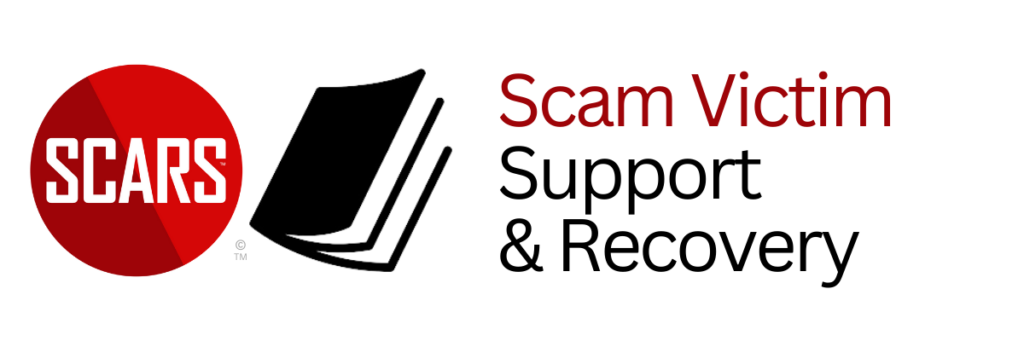
For most scam victims, there are three fundamental forms of help: law enforcement, money and asset recovery, and after-scam healing and recovery. Understanding the difference between them matters because victims frequently spend enormous emotional energy pursuing the first two while overlooking the third, even though the third is usually the form of help that is most accessible and most capable of changing what happens next in their lives.
The painful reality is that law enforcement outcomes remain uncertain. Financial recovery remains uncertain. Personal recovery does not have to be.
Law Enforcement: The Help Everyone Expects
When someone has been robbed, assaulted, burglarized, or otherwise victimized by a conventional local crime, the expected response is clear. The victim reports the crime to local law enforcement. Investigators identify suspects, collect evidence, locate witnesses, seek warrants, make arrests, and eventually prosecutors decide whether the case can proceed.
Transnational scams break that familiar model.
The victim may live in the United States, Canada, Australia, Britain, Germany, or Japan. The criminal may be physically located in Nigeria, Ghana, Cambodia, Myanmar, Laos, India, the Philippines, or somewhere else entirely. The telephone number may originate in one country, the bank account in another, the cryptocurrency wallet somewhere else, and the fake identity may belong to an innocent person living thousands of miles away. Money can pass through several accounts, money mules, exchanges, shell companies, payment services, or digital wallets before investigators even receive a report.
This does not mean that law enforcement is doing nothing. International cooperation is increasing, and major coordinated operations demonstrate that arrests, seizures, account freezes, and disruption are possible. INTERPOL describes financial fraud as a rapidly expanding transnational crime that increasingly intersects with organized crime, cybercrime, human trafficking, and money laundering. Its 2026 Operation First Light involved 97 countries and territories, identified more than 142,000 victims, resulted in thousands of arrests, blocked tens of thousands of bank accounts, and intercepted hundreds of millions of dollars in illicit assets. Those results demonstrate what coordinated enforcement can accomplish. They also reveal the enormous scale of the problem that national and local police are being asked to confront.
The difficulty for an individual victim is that a global law enforcement success does not necessarily become an individual criminal case.
Local police may take a report without having the jurisdiction, specialized personnel, international relationships, digital forensic capacity, or resources required to pursue someone operating on another continent. National agencies must prioritize cases based on evidence, monetary losses, connections to larger networks, investigative opportunities, and the likelihood that action will produce results. INTERPOL itself has emphasized the jurisdictional, technical, and cross-border difficulties involved in combating modern fraud.
Victims should still report.
Reporting is important even when an investigator never personally calls the victim back. Reports contribute information about bank accounts, telephone numbers, cryptocurrency addresses, email accounts, websites, criminal identities, transaction patterns, and methods of operation. One individual report may appear insignificant by itself but become important when combined with hundreds of others pointing toward the same network. In the United States, for example, the FBI specifically advises victims of internet-enabled crimes to report them through IC3 and notes that reports are used for investigative and intelligence purposes.
Reporting a crime, however, and receiving personal investigative support are not the same thing.
A victim can do everything correctly and still discover that there will be no detective working personally with them, no arrest in the near future, and no courtroom in which the criminal is required to answer for what happened. That absence of visible justice can become another source of frustration and grief.
It is important for survivors to understand that limitation because otherwise they can spend years psychologically waiting for law enforcement to provide something that law enforcement was never designed to provide: emotional closure.
The SCARS Institute recommends that every scam, regardless of size, be reported.
Visit reporting.AgainstScams.org to learn where to report.
Money and Asset Recovery: The Help Everyone Wants
The second need is equally understandable. Victims want their money back.
For many victims, this is not simply about wealth. The losses represent retirement savings, inheritances, home equity, emergency funds, college savings, business capital, pensions, loans, credit card debt, or money accumulated through decades of work. Recovering that money can mean the difference between financial independence and dependency, keeping a home and losing it, retiring and returning to work, or maintaining the future that existed before the crime.
Some money is recovered.
Speed matters greatly. Banks, payment processors, cryptocurrency exchanges, financial intelligence units, and law enforcement sometimes intercept transfers or freeze accounts before criminal organizations move the funds beyond reach. International mechanisms such as INTERPOL’s payment intervention systems have successfully blocked illicit transfers, and law enforcement operations continue to seize substantial criminal assets. The FBI similarly advises rapid reporting because it can improve the possibility of recovering lost funds.
But asset recovery remains fundamentally tied to financial institutions and law enforcement.
A victim cannot personally issue a bank freeze, seize a criminal wallet, obtain transaction records through legal process, compel an overseas bank to disclose an account holder, confiscate property, or force another country to surrender criminal proceeds. These actions require legal authority and cooperation across institutions and jurisdictions.
This creates one of the cruelest conditions in the entire scam experience. The victim desperately wants control at exactly the moment when control over the money has largely passed into the hands of institutions.
That desperation has created another criminal industry.
Recovery scammers know exactly what victims want to hear. They claim that investigators have located the stolen money. They say a cryptocurrency wallet has been recovered. They claim to be hackers, attorneys, investigators, government officials, financial experts, asset recovery specialists, or representatives of organizations capable of retrieving lost funds. They ask for an advance fee, tax, administrative charge, unlocking payment, legal deposit, cryptocurrency payment, or some other amount that supposedly must be paid before the victim’s money can be released.
The FBI specifically warns victims not to pay services that claim they can recover lost funds because such approaches are frequently scams themselves.
This is why the asset recovery world is so dangerous for someone who has just been victimized. The desire to repair the financial damage becomes the vulnerability through which another criminal enters.
Victims must report quickly, contact legitimate financial institutions, preserve records, cooperate with authorized investigators, and follow legitimate legal processes. But they also need to understand something emotionally difficult: there may come a point when pursuing the money is no longer something they personally control.
That does not mean giving up on legitimate recovery efforts. It means separating a legal and financial process from the psychological recovery process.
A survivor cannot postpone rebuilding life until someone promises that the money will return.
The SCARS Institute never recommends paying anyone to recover money. Most such offers are scams. Only law enforcement and the courts can recover money after it is gone. Though always check with the financial institution for options. If done quickly enough, financial transfers can be reversed.
Institutional Betrayal and the Second Injury
For many scam victims, reporting the crime creates another painful experience that they never expected. They turn to law enforcement believing that the moment they disclose what happened, someone will recognize the seriousness of the crime, understand the harm, explain what happens next, and begin helping them pursue justice. Instead, many encounter a system that has little ability to provide the kind of response they imagined.
The report may be taken, and nothing further appears to happen. The victim may receive no meaningful follow-up, no investigator may be assigned, or the case may be referred elsewhere because the offenders are outside the country. A local officer may have little training in relationship scams, cryptocurrency fraud, transnational organized crime, coercive manipulation, or the psychological effects of prolonged deception. Some victims encounter impatience, disbelief, judgment, dismissive language, or questions that sound less like an investigation of the criminal and more like an interrogation of the victim’s decisions.
For someone already struggling with shame, self-blame, damaged confidence, and disbelief about what happened, that response can be deeply injurious.
This is where institutional betrayal enters the experience.
Institutional betrayal occurs when an institution that a person reasonably expected to provide protection, recognition, assistance, or justice fails to respond in a way that meets that expectation. The institution does not need to intend harm for the injury to occur. The betrayal emerges from the gap between what the victim believed the institution represented and what the victim actually experiences when help is needed.
For scam victims, that gap can be enormous.
The original crime already involved betrayal of trust. The survivor believed another person was safe, legitimate, or emotionally genuine and later discovered that the relationship had been constructed for exploitation. When the survivor then turns to an institution associated with protection and justice and encounters indifference, limited capacity, disbelief, or silence, the experience can reinforce a devastating conclusion: no one is coming to help.
That realization can become retraumatizing.
The survivor may leave the reporting experience feeling more ashamed than before, more isolated, and less willing to trust institutions or other people. Some begin questioning themselves again. If the police do not appear concerned, perhaps the crime was somehow not serious. If no one investigates, perhaps the survivor was foolish for expecting help. If an officer asks why the money was sent or why the relationship continued, those questions can reinforce the very self-blame the survivor is struggling to overcome.
The survivor can then experience two different betrayals at once. The criminal betrayed interpersonal trust. The institutional response can damage trust in systems that were expected to provide protection after that betrayal.
This does not mean that law enforcement agencies or individual officers do not care. In many cases, the underlying problem is structural. Transnational fraud creates enormous investigative obstacles. Local agencies have limited jurisdiction, limited resources, competing priorities, and varying levels of specialized training. An officer may take the report correctly while knowing that the department has almost no practical ability to pursue an organized criminal network operating thousands of miles away.
Understanding those limitations matters, but understanding them does not erase their psychological effect on the survivor.
This is why expectations need to be managed carefully from the beginning. Victims should report the crime because reporting contributes evidence, intelligence, and potential connections to larger investigations. But reporting should not be presented as a promise that an individual detective will pursue the case, that an arrest will follow, or that law enforcement will provide the emotional support the survivor needs.
Those are different functions.
Law enforcement investigates crime when it has the authority, resources, evidence, and opportunity to do so. It is not designed to provide long-term trauma recovery, grief support, restoration of self-trust, or emotional reintegration after victimization.
When survivors understand this distinction, the absence of an investigation can still be painful, but it is less likely to be interpreted as proof that the crime did not matter or that the survivor does not deserve help.
- The survivor still deserves recognition.
- The survivor still deserves support.
- The survivor still deserves recovery.
And when the justice system cannot provide everything that was hoped for, another source of support must be available to address the injury that remains.
This is one reason after-scam healing and recovery is not merely an optional third service after law enforcement and financial recovery. It is also the place where survivors can process the disappointment, anger, grief, and institutional betrayal that can arise when the systems they trusted are unable to give them the response they believed would come.
After-Scam Healing and Recovery: The Help That Is Actually Available
The third form of help is profoundly different because it addresses what remains after the criminal investigation and financial recovery processes reach their limits.
The victim still has a life.
That life may have been badly damaged. Trust has been violated. Relationships with family and friends may have suffered. Financial security may have changed permanently. The person may feel ashamed, frightened, angry, humiliated, confused, isolated, or unable to trust personal judgment. There may be attachment trauma, betrayal trauma, grief, moral injury, anxiety, hypervigilance, intrusive memories, rumination, loss of confidence, and profound uncertainty about the future.
None of those injuries disappear because a police report was filed.
They also do not disappear if some of the money is recovered.
This is where after-scam healing and recovery becomes fundamentally different from the first two forms of help. A survivor does not need the criminal’s cooperation to begin. A foreign government does not need to authorize it. An international arrest warrant is not required. A bank does not need to locate the money first. The criminal does not need to confess, apologize, explain what happened, or provide closure.
Recovery belongs to the survivor.
That makes it the one area in which meaningful action remains available even when nearly everything else feels outside personal control.
Support organizations around the world have increasingly recognized this need. In Japan, NPO CHARMS has worked with victims of international romance scams since 2016 and now describes post-victim mental care as one of its principal areas of focus.
The SCARS Institute provides extensive English-language education, self-help resources, and survivor-support resources for scam victims internationally through resources including www.SCARScommunity.org and www.AgainstScams.org. Its published materials focus specifically on understanding scam victimization, trauma, emotional recovery, survivor education, and rebuilding life after the crime.
Other organizations, mental health professionals, victim advocates, community groups, and nonprofit organizations provide different forms of support in different countries and languages. The important point is not that every survivor must use the same provider. The important point is that survivors understand that legitimate recovery support exists and that seeking it is not dependent upon whether law enforcement solves the crime.
The SCARS Institute strongly recommends starting a structured healing and recovery program immediately. “Hugs” and positivity are not a substitute for a structured educational-based recovery program. However, if you delayed, it is better to start when you can; better late than never.
Begin Now:
- First, visit www.ScamVictimsSupport.org to learn the basics now
- Then join the SCARS Institute free, safe, and private Survivor’s Support, Healing, and Recovery Community at www.SCARScommunity.org
Three Different Questions
These three forms of help answer three different questions.
- Law enforcement asks: What happened, who committed the crime, and what can the justice system do about it?
- Asset recovery asks: Where did the money go, can it still be intercepted, and can any of it legally be returned?
- After-scam healing asks something entirely different: What happened to the person who survived this, and what does that person need in order to live fully again?
That third question is often neglected because the first two feel more urgent. Victims naturally want the criminal caught. They naturally want the money returned. Those goals are rational and legitimate. But neither goal guarantees recovery.
- A criminal can be arrested while the survivor remains traumatized.
- Money can be recovered while trust remains shattered.
- A prosecution can succeed while a survivor continues to live with shame.
- The criminal can disappear forever while the survivor remains psychologically attached to what happened.
- Conversely, a survivor can recover even when the criminal is never arrested, and the money never comes back.
This does not make justice or restitution unimportant. It establishes an essential distinction between recovering what was taken and recovering the person who was harmed.
Where Survivors Still Have Power
One of the most damaging experiences in scam victimization is the loss of control. The criminal manipulates information, emotions, expectations, decisions, and eventually money. After discovery, control can seem to pass immediately to banks, police departments, government agencies, attorneys, investigators, and institutions.
The survivor waits.
- Waits for a response.
- Waits for an investigation.
- Waits for a bank decision.
- Waits for an account freeze.
- Waits for an arrest.
- Waits for money.
- Waits for justice.
That waiting can become psychologically dangerous when the survivor begins to believe that recovery must also wait.
It does not need to wait.
A victim can report the crime while beginning recovery. A victim can cooperate with law enforcement while learning about manipulation and trauma. A victim can pursue legitimate financial recovery while rebuilding relationships and confidence. A victim can hope for justice while accepting that healing cannot depend upon justice arriving first.
This is where agency begins to return.
The criminal controlled the scam. Law enforcement controls the investigation. Financial institutions and courts control many aspects of asset recovery. But the survivor still has a claim over what happens next in their own life.
The Help That Must Not Be Postponed
There is an understandable temptation to create a sequence in which justice comes first, money comes second, and emotional recovery begins afterward.
Real life rarely works that way.
Investigations can continue for years. Criminal networks can disappear across borders. Assets can move through multiple jurisdictions. Court cases can take enormous amounts of time. Money that has passed through organized criminal systems may never return.
A survivor cannot place life on hold for that long.
After-scam healing and recovery needs to begin while the other processes remain unresolved. In fact, stronger recovery helps the survivor manage those processes more effectively. A person who understands trauma, manipulation, grief, boundaries, and emotional regulation is better prepared to tolerate disappointing law enforcement outcomes, reject recovery scammers, make sound financial decisions, communicate with family members, and rebuild a future that is not dependent upon undoing the past.
The three forms of help remain important, but they are not equally available, and they do not serve the same purpose. They are also not in any specific order.
- Law enforcement seeks justice.
- Asset recovery seeks restitution.
- After-scam healing and recovery seeks the restoration of the survivor’s life.
The first may or may not happen. The second may or may not happen. The third remains possible even when neither of the others does.
That is the form of help no survivor should be told to wait for.
Conclusion
Scam victimization creates several different kinds of harm at once, and each requires different forms of help.
Law enforcement addresses the crime. Financial institutions and law enforcement address the movement and possible recovery of stolen assets. Neither of those processes, however, repairs the psychological injuries left behind when trust, confidence, relationships, security, and a sense of control have been damaged. Positivity and compassion groups are not enough. Hate, exposure, and scam baiting groups are simply toxic.
This distinction becomes especially important because the first two forms of help remain uncertain. Criminals operate across borders, money moves quickly through complex financial systems, and individual cases may never receive the level of investigation or restitution a victim reasonably hoped for. The disappointment can deepen when institutions associated with protection and justice appear unable to provide meaningful personal assistance. That experience can become another injury, especially for someone already struggling with shame, grief, anger, and self-blame.
Healing and eotional/psychological recovery is different because it does not depend upon the criminal being arrested or the money being returned. A survivor must begin rebuilding while investigations remain unresolved, financial losses remain painful, and justice remains uncertain. A structured program with education, support, trauma recovery, boundaries, emotional regulation, and the restoration of self-trust all return something that the crime attempted to take away: agency.
Justice should always be pursued. Legitimate financial recovery should still be attempted. Crimes should still be reported. But a survivor’s life cannot remain suspended while waiting for institutions or criminals to determine what happens next.
Law enforcement seeks justice. Asset recovery seeks restitution. After-scam healing and recovery seek the restoration of the person who survived.
That restoration should begin as soon as possible.

Glossary
-
After-Scam Healing and Recovery — After-scam healing and recovery is the process of addressing the emotional, psychological, relational, and practical injuries that remain after a scam ends. It does not depend upon the criminal being arrested or stolen money being returned. It focuses on restoring stability, self-trust, understanding, boundaries, and the ability to live fully again. — Recovery Process
-
Agency — Agency is the survivor’s ability to make meaningful choices about what happens next in life after victimization. Scam victimization damages agency by placing control in the hands of criminals, financial institutions, law enforcement, and other systems. Recovery begins restoring agency when the survivor takes purposeful action that does not depend upon external outcomes. — Recovery Process
-
Anxiety — Anxiety is a state of persistent fear, apprehension, or heightened concern that can remain after scam victimization. It can involve worries about finances, future safety, personal judgment, and the possibility of being harmed again. Structured recovery helps survivors understand and manage these reactions rather than allowing fear to govern future decisions. — Trauma Response
-
Asset Recovery — Asset recovery is the legal and financial process of tracing, freezing, seizing, and potentially returning money or property stolen through fraud. It depends heavily upon financial institutions, investigators, courts, and cooperation across jurisdictions. A victim can assist the process, but cannot personally compel banks or foreign institutions to return criminal proceeds. — Financial Recovery
-
Attachment Trauma — Attachment trauma refers to psychological injury connected to the destruction or exploitation of an emotionally significant relationship. Relationship scams can create powerful emotional bonds before revealing that the relationship was constructed for manipulation. The resulting injury can affect trust, attachment, grief, and the survivor’s ability to understand what the relationship meant. — Trauma and Attachment
-
Bank Freeze — A bank freeze is an action that temporarily restricts access to funds or an account while suspicious or fraudulent activity is investigated. Victims cannot personally impose such a freeze and must rely upon banks, law enforcement, or authorized financial systems. Rapid reporting improves the possibility that funds can be stopped before criminals move them elsewhere. — Financial Recovery
-
Betrayal Trauma — Betrayal trauma is psychological injury caused when a trusted person or relationship becomes the source of deception and harm. Scam victims can experience this when an apparently genuine emotional connection is revealed to have been created for exploitation. The resulting injury can damage trust in others and confidence in personal judgment. — Trauma and Attachment
-
Closure — Closure is the sense that an experience has reached a psychologically understandable or emotionally settled point. Scam survivors may hope that an arrest, confession, apology, or return of money will provide this feeling. Recovery cannot safely depend upon those outcomes because criminals and institutions may never provide the answers a survivor wants. — Recovery Process
-
Coercive Manipulation — Coercive manipulation is the use of emotional pressure, deception, fear, attachment, or other influences to shape another person’s decisions. Scam criminals use these methods to control information, expectations, relationships, and financial behavior. Understanding manipulation helps survivors recognize that many decisions occurred inside an intentionally distorted environment. — Manipulation
-
Criminal Investigation — A criminal investigation is the process through which law enforcement gathers evidence, identifies suspects, traces criminal activity, and determines whether prosecution is possible. Transnational scam investigations are complicated by borders, digital evidence, multiple financial systems, and limited jurisdiction. An individual report does not guarantee that a dedicated investigation will follow. — Law Enforcement
-
Cryptocurrency Address — A cryptocurrency address is a digital destination used to send or receive cryptocurrency transactions. Scam victims may provide these addresses when reporting fraud because they can help investigators connect payments to larger criminal networks. A single address may become significant when it appears across multiple victim reports. — Digital Evidence
-
Digital Forensic Capacity — Digital forensic capacity is the ability of investigators to collect, preserve, examine, and interpret electronic evidence. Scam investigations may require analysis of devices, accounts, transactions, cryptocurrency records, communications, and online identities. Local agencies vary considerably in their access to specialized personnel and forensic resources. — Law Enforcement
-
Emotional Closure — Emotional closure is the internal process of reaching greater acceptance and psychological resolution after victimization. It differs from legal closure because it does not require an arrest, conviction, confession, or restitution. Survivors who wait for law enforcement to provide emotional closure can remain psychologically tied to outcomes outside their control. — Recovery Process
-
Emotional Regulation — Emotional regulation is the ability to recognize, tolerate, and manage strong emotional reactions without becoming overwhelmed by them. Scam survivors may struggle with anger, grief, shame, fear, and frustration during recovery. Structured support can strengthen the survivor’s ability to respond to those emotions without allowing them to control every decision. — Recovery Capacity
-
Financial Fear — Financial fear is the anxiety and uncertainty that follow serious monetary loss or financial instability. Scam losses can threaten housing, retirement, independence, debt management, and future plans. Recovery requires addressing this fear while separating realistic financial problems from the belief that life cannot continue until every dollar is restored. — Financial Impact
-
Financial Institutions — Financial institutions are banks, payment services, exchanges, and other organizations that manage financial transactions and accounts. They play an essential role in attempting to reverse transfers, freeze funds, preserve transaction information, and cooperate with authorized investigations. Victims should contact legitimate financial institutions quickly when fraud is discovered. — Financial Recovery
-
Financial Recovery — Financial recovery is the effort to recover, reverse, seize, or restore money lost through a scam. The possibility of success depends upon timing, payment methods, financial institutions, legal authority, and the movement of criminal proceeds. Financial recovery remains separate from psychological recovery even when both processes occur at the same time. — Financial Recovery
-
Grief — Grief is the emotional response to significant loss following scam victimization. Survivors may grieve money, relationships, imagined futures, trust, security, identity, and opportunities that disappeared because of the crime. Recovery requires space to process these losses rather than treating financial restitution as the only meaningful form of restoration. — Emotional Process
-
Hypervigilance — Hypervigilance is a state of heightened alertness in which a survivor remains constantly attentive to possible threats or deception. It can develop after prolonged manipulation and betrayal have damaged the person’s sense of safety. Recovery helps the survivor rebuild appropriate caution without remaining trapped in continuous fear and suspicion. — Trauma Response
-
IC3 — IC3 is the FBI’s Internet Crime Complaint Center, which receives reports involving internet-enabled crime in the United States. Reports can contribute information that supports investigations, intelligence development, and connections among apparently separate cases. Filing an IC3 report does not guarantee personal investigative contact or individual case resolution. — Fraud Reporting
-
Institutional Betrayal — Institutional betrayal occurs when an institution expected to provide protection, recognition, assistance, or justice fails to meet those expectations. Scam victims can experience this when law enforcement appears dismissive, provides little follow-up, or lacks the capacity to investigate. The resulting disappointment can damage trust in systems as well as trust in other people. — Institutional Response
-
International Cooperation — International cooperation is coordination among law enforcement agencies, financial institutions, governments, and other authorities across national borders. Modern scam networks frequently operate through multiple countries, currencies, accounts, digital services, and criminal organizations. Effective enforcement increasingly depends upon the ability of these institutions to exchange information and act together. — Law Enforcement
-
Investigation — Investigation is the organized examination of evidence intended to identify criminal activity, suspects, financial pathways, and possible legal action. Scam investigations can involve communications, account records, digital wallets, websites, money mules, and international financial transfers. Limited resources and jurisdiction mean that not every report becomes an individual investigation. — Law Enforcement
-
Justice — Justice is the process of recognizing wrongdoing, holding offenders accountable, and applying lawful consequences when evidence and authority allow. Scam survivors commonly seek justice after experiencing deception, exploitation, and financial harm. Justice can be meaningful, but personal recovery cannot depend entirely upon whether prosecution or punishment eventually occurs. — Legal Process
-
Jurisdiction — Jurisdiction is the legal authority an agency, court, or government has to investigate or act within a particular territory or matter. Transnational scams create jurisdictional problems because victims, criminals, accounts, servers, and financial transactions may exist in different countries. These limits can prevent local law enforcement from pursuing offenders directly. — Legal Process
-
Law Enforcement — Law enforcement refers to police and investigative agencies responsible for receiving crime reports, gathering evidence, identifying offenders, disrupting criminal activity, and pursuing prosecution where possible. Scam victims should report crimes even when individual investigative support is uncertain. Law enforcement addresses criminal conduct but does not provide long-term psychological recovery. — Law Enforcement
-
Loss of Confidence — Loss of confidence is the decline in trust a survivor has in personal judgment, decisions, and abilities after being deceived. Scam victims may question how they interpreted people, relationships, financial choices, and warning signs. Structured recovery supports the gradual rebuilding of confidence through understanding, education, and repeated experience with sound decision-making. — Psychological Injury
-
Money Mule — A money mule is a person or account used to receive, transfer, or move money connected to criminal activity. Scam proceeds may pass through several mules before reaching the organizers behind the crime. These layers make tracing funds more difficult and can complicate efforts to identify the people ultimately responsible. — Organized Crime
-
Money Laundering — Money laundering is the process of moving or disguising criminal proceeds so that their origin becomes more difficult to identify. Transnational fraud networks may use accounts, payment services, digital wallets, shell companies, cryptocurrency, and other mechanisms to move stolen funds. These processes complicate investigation and asset recovery. — Organized Crime
-
Moral Injury — Moral injury is psychological distress associated with the violation of deeply held beliefs about right, wrong, trust, responsibility, or human conduct. Scam victims can struggle with profound disbelief that another person deliberately exploited trust or affection for personal gain. The resulting conflict can affect identity, meaning, trust, and emotional recovery. — Psychological Injury
-
Organized Crime — Organized crime refers to coordinated criminal activity conducted by groups or networks that operate systematically for profit or power. Modern fraud increasingly intersects with cybercrime, money laundering, human trafficking, and international criminal networks. These structures make individual scams part of a much larger criminal environment. — Organized Crime
-
Payment Intervention — Payment intervention is an effort to stop or intercept fraudulent transfers before criminals move the funds beyond reach. Financial institutions and international enforcement mechanisms can sometimes block payments when reports are made quickly. The possibility of intervention declines as stolen funds pass through additional accounts, jurisdictions, or financial systems. — Financial Recovery
-
Personal Investigative Support — Personal investigative support refers to direct attention from an investigator assigned to work closely with an individual victim or case. Many scam victims expect this after reporting but do not receive it because agencies face jurisdictional, staffing, resource, and prioritization limits. Lack of personal investigative support does not mean the victim’s report has no value. — Law Enforcement
-
Psychological Recovery — Psychological recovery is the process of rebuilding emotional stability, trust, confidence, meaning, and functioning after victimization. It addresses injuries that remain even when legal and financial processes have ended. Psychological recovery can begin independently of arrests, prosecutions, restitution, or explanations from the criminal. — Recovery Process
-
Recovery Scammer — A recovery scammer is a criminal who targets people who have already lost money and promises to retrieve stolen funds. These offenders often pose as investigators, hackers, attorneys, government officials, financial experts, or recovery specialists. They commonly demand an advance fee, tax, deposit, or other payment before supposedly releasing recovered money. — Secondary Victimization
-
Reporting — Reporting is the formal act of notifying law enforcement, financial institutions, or appropriate agencies about a scam. Reports provide information that may contribute to investigations, intelligence, account tracing, and connections among multiple victims. Reporting remains important even when an individual victim never receives personal follow-up. — Fraud Reporting
-
Restitution — Restitution is the return or repayment of money or property lost because of criminal conduct. Scam survivors understandably seek restitution because financial losses can affect housing, retirement, debt, independence, and long-term security. Restitution remains a separate objective from psychological healing and does not automatically repair trauma or damaged trust. — Financial Recovery
-
Retraumatization — Retraumatization occurs when a later experience reactivates or intensifies psychological distress connected to an earlier traumatic event. Scam victims can experience it when institutions respond with disbelief, judgment, silence, or questions that reinforce shame and self-blame. The new experience can deepen the original injury even when the institution did not intend harm. — Trauma Response
-
Rumination — Rumination is repetitive thinking about painful events, questions, decisions, or losses without reaching meaningful resolution. Scam survivors may repeatedly revisit what happened, what warning signs were missed, or what could have been done differently. Recovery helps move thinking from repetitive self-questioning toward understanding, acceptance, and constructive action. — Cognitive Response
-
Scam Victimization — Scam victimization is the experience of being deliberately deceived and exploited through fraudulent manipulation. The harm can include financial loss, psychological trauma, damaged relationships, disrupted plans, shame, grief, and loss of confidence. Effective support recognizes that these different injuries require different forms of response. — Victimization
-
Self-Blame — Self-blame is the belief that the victim is personally responsible for having been deceived, manipulated, or financially harmed. It can intensify when outsiders focus on the victim’s decisions rather than the criminal’s methods. Recovery requires a more accurate understanding of manipulation while still supporting future learning and stronger decision-making. — Psychological Injury
-
Shell Company — A shell company is a business entity that can be used to hold accounts, move money, or obscure the people controlling financial activity. Fraud networks may route stolen funds through such companies to complicate tracing and investigation. Their use adds another layer between victims and the organizers who ultimately benefit from the crime. — Organized Crime
-
Shame — Shame is the painful belief that victimization reflects something fundamentally wrong or defective about the person who was harmed. Scam survivors may experience shame because they trusted the criminal, sent money, or continued the relationship. Judgmental responses from others can deepen this injury and interfere with help-seeking and recovery. — Emotional Process
-
Stolen Assets — Stolen assets are money, cryptocurrency, property, or other financial resources taken through fraudulent activity. Recovering them may require tracing transactions, freezing accounts, obtaining legal authority, and coordinating across institutions or countries. Their recovery remains uncertain even when the crime itself is clearly documented. — Financial Recovery
-
Structured Healing and Recovery Program — A structured healing and recovery program is an organized approach that combines education, support, trauma understanding, emotional regulation, boundaries, and rebuilding of self-trust. It differs from informal encouragement or positivity because it provides a deliberate process for addressing the effects of victimization. The article presents this form of recovery as something that should begin as early as possible. — Recovery Support
-
Survivor Education — Survivor education is the process of learning how scams, manipulation, trauma, grief, boundaries, and recovery operate. Knowledge helps survivors understand what happened without relying entirely on self-blame or hindsight. Education also strengthens future decision-making and helps survivors recognize secondary scams and other risks during recovery. — Recovery Support
-
Survivor Support — Survivor support is assistance provided to people dealing with the emotional, psychological, relational, and practical effects of scam victimization. It can come from specialized organizations, mental health professionals, advocates, communities, and nonprofit groups. Effective support helps survivors recover without making healing dependent upon law enforcement or financial outcomes. — Recovery Support
-
Transaction Pattern — A transaction pattern is the recurring movement or structure of financial activity that investigators can identify across scam cases. Individual reports containing account numbers, wallets, payment services, or transfer details can reveal connections when combined with other reports. These patterns can help identify larger criminal networks. — Financial Evidence
-
Transnational Fraud — Transnational fraud is criminal deception that crosses national borders through offenders, victims, communications, financial accounts, digital services, or money movement. It creates serious investigative difficulties because no single local agency controls every part of the crime. Effective responses frequently require international cooperation and specialized financial and digital investigation. — Organized Crime
-
Trauma Recovery — Trauma recovery is the process of reducing the continuing psychological effects of victimization and rebuilding a stable sense of safety, trust, identity, and control. It does not erase what happened or depend upon external justice. Recovery helps survivors integrate the experience so that the crime no longer determines the direction of their lives. — Recovery Process
-
Victim Recognition — Victim recognition is the acknowledgment that a scam survivor experienced a legitimate crime and deserves to have that harm taken seriously. Lack of recognition can intensify shame, isolation, and institutional betrayal. Meaningful recognition helps separate the seriousness of the crime from whether law enforcement has the resources to pursue an individual case. — Victim Support
-
Victim Reporting — Victim reporting is the submission of information about a scam to appropriate law enforcement or fraud reporting authorities. Even when no investigator personally contacts the survivor, reports can contribute to intelligence, pattern recognition, financial tracing, and larger investigations. Reporting should not be mistaken for a guarantee of arrest, prosecution, or restitution. — Fraud Reporting
-
Victim Support Resources — Victim support resources are programs, organizations, educational materials, communities, and professional services that help scam survivors understand and recover from victimization. They address needs that law enforcement and financial institutions are not designed to meet. Legitimate support should promote understanding, recovery, safety, and restored agency rather than promises of guaranteed financial recovery. — Recovery Support
-
Waiting for Justice — Waiting for justice describes the period in which a survivor remains focused on an investigation, arrest, prosecution, or other legal outcome before allowing personal recovery to move forward. This waiting can become psychologically harmful when life feels suspended until institutions act. Recovery can proceed while justice remains unresolved. — Recovery Challenge
-
Waiting for Money — Waiting for money describes the state in which a survivor postpones rebuilding life because stolen funds have not yet been recovered. Financial recovery remains important, but the survivor has limited control over tracing, freezing, seizure, and legal restitution. Psychological recovery should not be delayed while financial processes continue. — Recovery Challenge
Author Biographies
Author Biography
Prof. (Emeritus) Tim McGuinness, Ph.D. DFin is a co-founder, Managing Director, and Chairman of the SCARS Institute (Society of Citizens Against Relationship Scams Inc.), where he serves as an unsalaried volunteer officer dedicated to supporting scam victims and survivors around the world. With over 34 years of experience in scam education and awareness, he is perhaps the longest-serving advocate in the field.
Dr. McGuinness has an extensive background as a business pioneer, having co-founded several technology-driven enterprises, including the former e-commerce giant TigerDirect.com. Beyond his corporate achievements, he is actively engaged with multiple global think tanks where he helps develop forward-looking policy strategies that address the intersection of technology, ethics, and societal well-being. He is also a computer industry pioneer (he was an Assistant Director of Corporate Research Engineering at Atari Inc. in the early 1980s) and invented core technologies still in use today.
His professional identity spans a wide range of disciplines. He is a scientist, strategic analyst, solution architect, advisor, public speaker, published author, roboticist, Navy veteran, and recognized polymath. He holds numerous certifications, including those in cybersecurity from the United States Department of Defense under DITSCAP & DIACAP, continuous process improvement and engineering and quality assurance, trauma-informed care, grief counseling, crisis intervention, and related disciplines that support his work with crime victims.
Dr. McGuinness was instrumental in developing U.S. regulatory standards for medical data privacy called HIPAA and financial industry cybersecurity called GLBA. His professional contributions include authoring more than 1,000 papers and publications in fields ranging from scam victim psychology and neuroscience to cybercrime prevention and behavioral science.
“I have dedicated my career to advancing and communicating the impact of emerging technologies, with a strong focus on both their transformative potential and the risks they create for individuals, businesses, and society. My background combines global experience in business process innovation, strategic technology development, and operational efficiency across diverse industries.”
“Throughout my work, I have engaged with enterprise leaders, governments, and think tanks to address the intersection of technology, business, and global risk. I have served as an advisor and board member for numerous organizations shaping strategy in digital transformation and responsible innovation at scale.”
“In addition to my corporate and advisory roles, I remain deeply committed to addressing the rising human cost of cybercrime. As a global advocate for victim support and scam awareness, I have helped educate millions of individuals, protect vulnerable populations, and guide international collaborations aimed at reducing online fraud and digital exploitation.”
“With a unique combination of technical insight, business acumen, and humanitarian drive, I continue to focus on solutions that not only fuel innovation but also safeguard the people and communities impacted by today’s evolving digital landscape.”
Dr. McGuinness brings a rare depth of knowledge, compassion, and leadership to scam victim advocacy. His ongoing mission is to help victims not only survive their experiences but transform through recovery, education, and empowerment.
-/ 30 /-
What do you think about this?
Please share your thoughts in a comment below!
GLOSSARY SEARCH
TOPIC SEARCH
TABLE OF CONTENTS








CATEGORIES
More ScamsNOW.com Articles