

Search results for: psychology

Need a new search?

If you didn't find what you were looking for, try a new search!

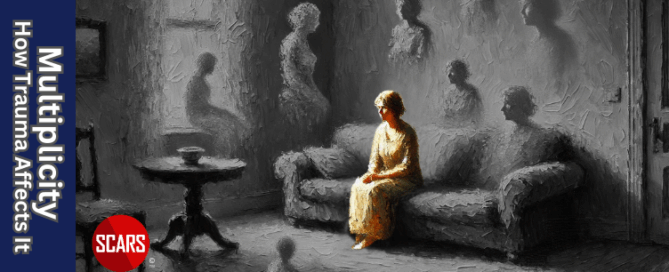
The Psychological Concept of Multiplicity and How Trauma Affects It – 2025

The Psychological Concept of Multiplicity and How Trauma Affects It

Multiplicity and Why it Matters to Traumatized Scam Victims

Primary Category: Scam Victim Recovery Psychology

Authors:
•  Vianey Gonzalez B.Sc(Psych) – Licensed Psychologist, Specialty in Crime Victim Trauma Therapy, Neuropsychologist, Certified Deception Professional, Psychology Advisory Panel & Director of the Society of Citizens Against Relationship Scams Inc.
•  Tim McGuinness, Ph.D., DFin, MCPO, MAnth – Anthropologist, Scientist, Polymath, Director of the Society of Citizens Against Relationship Scams Inc.

About This Article

Multiplicity explains how one mind can hold distinct parts with different roles, especially after scam trauma, and treats these inner states as understandable adaptations rather than defects. Everyday parts are common, while clinically significant patterns may include time loss, sharp state shifts, or changes in skills that warrant assessment by a clinician trained in dissociation. The approach reduces shame, makes symptoms workable, and provides a practical map for care. Core goals include safety and stabilization, co-consciousness, unblending from overwhelmed states, steady adult leadership, phased memory work, and integration of memory and function. Helpful methods include parts mapping, grounding, brief internal dialogues, compassion practices, and external supports such as routine and clear boundaries. Self-care covers daily logs, a parts first aid kit, grounding steps, and a shared safety plan when risk is present. Family and advocates support progress by keeping plans simple, using factual language, and protecting routines. With structure, respectful inner dialogue, and skilled guidance, the system can move from Read More …


Scam Victim Trauma Denial and Why it is So Difficult to Overcome – 2025

Scam Victim Trauma Denial and Why It Is So Difficult to Overcome

Reasons Scam Victims and Their Families May Deny Their Trauma

Primary Category: Scam Victim Recovery Psychology

Author:
•  Vianey Gonzalez B.Sc(Psych) – Licensed Psychologist, Specialty in Crime Victim Trauma Therapy, Neuropsychologist, Certified Deception Professional, Psychology Advisory Panel & Director of the Society of Citizens Against Relationship Scams Inc.
•  Tim McGuinness, Ph.D., DFin, MCPO, MAnth – Anthropologist, Scientist, Polymath, Director of the Society of Citizens Against Relationship Scams Inc.


About This Article

You faced a crime, not a personal failing, and denial appeared to protect you from shock, fear, and shame. You learned how the body’s alarm responses, cognitive dissonance, and sunk costs can keep you attached to a false story, and how family beliefs, image concerns, and myths about scams can push loved ones to minimize what happened. You now have practical tools to move through denial with care and accuracy. You stabilize your body, write a plain one-paragraph account, and organize a facts folder. You verify events with neutral records, set clear boundaries, and use short scripts that keep conversations respectful and focused. You choose trauma-aware support, make micro commitments, report when appropriate, and harden accounts to lower risk. Most importantly, you rebuild identity through values-based actions and small wins. Progress becomes steady and real when you pair compassion with facts and take one clear step at a time.

Note: This article is intended for informational purposes and does Read More …
Understanding Grief through Kierkegaard, Heidegger, and Camus – 2025

Understanding Grief through Kierkegaard, Heidegger, and Camus

Grief Without Illusions: Kierkegaard, Heidegger, and Camus on Loss, Meaning, and Living On

Primary Category: Scam Victim Recovery Philosophy

Author:
•  Tim McGuinness, Ph.D., DFin, MCPO, MAnth – Anthropologist, Scientist, Polymath, Director of the Society of Citizens Against Relationship Scams Inc.


About This Article

Grief dismantles the familiar structure of life, forcing a confrontation with loss that reshapes identity, relationships, and meaning. Kierkegaard, Heidegger, and Camus each offer distinct yet complementary ways to live within grief without resorting to illusions. Kierkegaard frames it as a confrontation with despair, urging honest self-examination and steady acts of love. Heidegger views grief as a revealing attunement that clarifies life’s finitude and calls for resolute re-engagement with the altered world. Camus places grief within the absurd, advocating revolt, solidarity, and the creation of meaning through simple, tangible actions. Together, these approaches form a practical and philosophical map: name the truth of loss, accept life’s limits, and keep building connections and purpose. Grief remains, but so can dignity, agency, and care. Living on without illusions means shaping life not only by what is gone but also by the deliberate choice to act and to love in what remains.

Note: This article is intended for informational purposes and does not replace professional medical advice. If you are experiencing distress, please consult a qualified mental health professional.

Grief Without Illusions: Kierkegaard, Heidegger, and Camus on Loss, Meaning, and Read More …
Yearning or Longing for Something More – An Open Door for Scammers – 2025

Yearning or Longing for Something More – An Open Door for Scammers

The Emotional Trap: How Yearning and Longing Make You Vulnerable to Scammers

Primary Category: Psychology of Scams

Author:
•  Tim McGuinness, Ph.D., DFin, MCPO, MAnth – Anthropologist, Scientist, Polymath, Director of the Society of Citizens Against Relationship Scams Inc.


About This Article

Yearning and longing are emotional forces that scammers skillfully exploit, using your deepest desires as tools for manipulation. These feelings are not weaknesses, but they create emotional blind spots when left unchecked. Scammers mirror your longing for connection, security, or fulfillment, crafting illusions that feel like answers to your internal voids. You are not deceived by the scammer’s cleverness; you are deceived by your own emotional hunger. Recognizing how yearning narrows your focus and clouds your judgment is essential to protecting yourself. When you become aware of these emotional pulls, you reclaim the ability to pause, reflect, and separate truth from illusion. Taming your longing does not mean suppressing it. It means understanding its influence, giving it space to be acknowledged, and making conscious choices that are not driven by desperation. Scam recovery is not just about identifying external threats; it is about mastering the internal forces that can betray you if left in the dark.

Read More …

Are Scammers Using Central Intelligence Agency RICE Method to Lure and Capture Scam Victims? – 2025


Are Scammers Using the Central Intelligence Agency RICE Method to Lure and Capture Scam Victims?

The CIA’s RICE Method: How Intelligence Agencies Recruit and Control Human Assets, and How Scammers Use Similar Ways to Lure and Control Scam Victims

Primary Category: Psychology of Scams

Author:
•  Tim McGuinness, Ph.D., DFin, MCPO, MAnth – Anthropologist, Scientist, Polymath, Director of the Society of Citizens Against Relationship Scams Inc.


About This Article

The RICE method (Reward, Influence, Coercion, and Ego), originated as a behavioral model for intelligence recruitment but now serves as a precise framework for understanding how scammers lure and control their victims. By offering emotional or financial rewards, building false trust, creating fabricated urgency, and exploiting self-image, scammers manipulate victims into compliance without needing overt threats. These psychological tactics bypass critical thinking and reshape reality, turning smart, capable individuals into emotionally dependent targets. Recognizing the signs of RICE in action can help prevent future manipulation, support deeper recovery, and empower victims to reclaim their autonomy. Awareness is not just protective—it is the first step toward rebuilding self-trust and long-term emotional resilience.

Note: This article is intended for informational purposes and does not replace professional medical advice. If you are experiencing distress, please consult a qualified mental health professional.

The CIA’s RICE Method: How Intelligence Agencies Recruit and Control Human Assets, and How Scammers Use Similar Ways to Lure and Control Scam Victims

Introduction to the RICE Method

In the world of Read More …

How Classical Music Helps Heal the Traumatized Brain After a Scam – 2025

How Classical Music Helps Heal the Traumatized Brain After a Scam

The Sound of Recovery: Classical Music’s Role in Healing Betrayal Trauma

Primary Category: Scam Victim Recovery Psychology 

Author:
•  Tim McGuinness, Ph.D., DFin, MCPO, MAnth – Anthropologist, Scientist, Polymath, Director of the Society of Citizens Against Relationship Scams Inc.


About This Article

Betrayal trauma from scams disrupts your nervous system, fractures your emotional stability, and damages your trust in yourself and others. Recovery requires more than talk or reassurance; it demands tools that reach your brain, your body, and your emotions at once. Classical music meets this need. It offers rhythm, harmony, and structure in a way that supports emotional regulation, restores balance in stress-affected neural circuits, and gently reawakens your capacity for feeling and focus. By listening with intention and choosing compositions that match your emotional state, you can create a practice that helps reduce anxiety, ease physical tension, and promote resilience. Classical music does not force healing. It invites it. You do not have to understand it. You only need to listen and let it hold you when words cannot. In a world that betrayed your trust, music can become a reliable ally; quiet, steady, and capable of rebuilding the parts of you that were torn apart.

Read More …

Origami and Refolding Your Life for Recovery – 2025

Origami and Refolding Your Life for Recovery

The Origami Of Trauma & Refolding Your Life

Primary Category: Scam Victim Recovery Psychology  //  Scam Victim Recovery Philosophy

Author:
•  Tim McGuinness, Ph.D., DFin, MCPO, MAnth – Anthropologist, Scientist, Polymath, Director of the Society of Citizens Against Relationship Scams Inc.


About This Article

Origami is not just the art of folding paper: it is a metaphor for life after trauma and a practical tool for healing. The process teaches you how to work with what exists, rather than wishing for a blank slate. Each fold represents a choice, a change, or a life event, some intentional and some accidental. Just like trauma leaves emotional creases that cannot be undone, Origami reminds you that healing involves refolding, not erasing. The practice builds mindfulness by requiring focused attention, steady breathing, and acceptance of imperfection. It regulates emotional states by calming the nervous system and providing a tangible way to process complexity step by step. Mistakes do not ruin the design; they become part of it, teaching resilience and flexibility. Origami also fosters connection with others through shared quiet focus, making it a powerful therapeutic activity for those coping with trauma, anxiety, or grief. It shows you that life’s folds can lead to beauty, even when the original shape is forever changed.

Note: This article is intended for informational purposes and does not replace professional medical advice. If you are experiencing distress, please consult a qualified mental health professional.


Read More …
The Compulsion of Risk – an Essay by Tim McGuinness Ph.D. – 2025

The Compulsion of Risk

An Essay by Tim McGuinness, Ph.D.

What is it about Human Psychology that Compels Us to Take Risks, to take Leaps of Faith without any Rational Reason?

Primary Category: Commentary // Philosophy

Author:
•  Tim McGuinness, Ph.D., DFin, MCPO, MAnth – Anthropologist, Scientist, Polymath, Director of the Society of Citizens Against Relationship Scams Inc.


About This Article

Human beings are driven to take risks and leaps of faith not because they are reckless, but because they are wired for meaning, connection, and emotional engagement with life. The same impulses that helped early humans survive now collide with a modern world that encourages action but offers fewer safety nets. This creates vulnerabilities to manipulation, deception, and self-destruction. People leap because standing still feels unbearable, especially when faced with emotional restlessness, mortality awareness, or unmet psychological needs. Scammers, marketers, and social systems exploit this by offering quick fixes to deep existential discomfort. Yet humanity survives not by suppressing these instincts but by learning to adapt to them. Cultures create laws, cautionary stories, and shared wisdom that help balance impulse with reflection. Personal and societal resilience grows through cycles of collapse, correction, and recovery. The challenge is not to stop leaping, but to learn how to leap wisely and with preparation.

Read More …

The Paradox of Pain – 2025

The Paradox of Pain

The Paradox of Psychological Pain: Why Avoiding Trauma and Grief Makes It Worse

Primary Category: Psychology  //  User Manual for Your Brain

Authors:
•  Vianey Gonzalez B.Sc(Psych) – Licensed Psychologist, Specialty in Crime Victim Trauma Therapy, Neuropsychologist, Certified Deception Professional, Psychology Advisory Panel & Director of the Society of Citizens Against Relationship Scams Inc.
•  Tim McGuinness, Ph.D., DFin, MCPO, MAnth – Anthropologist, Scientist, Polymath, Director of the Society of Citizens Against Relationship Scams Inc.


About This Article

Psychological pain cannot be bypassed without consequence. When individuals resist grief, trauma, or emotional suffering, they trap it inside the mind and body, creating long-term distress. Avoidance leads to cycles of anxiety, numbness, and isolation. Healing begins when a person chooses to face pain directly, allowing it to move through the system rather than becoming stuck. This is not a passive process. It involves conscious acceptance, breathwork, mindful attention, and the courage to speak about the pain without asking others to fix it. Philosophical traditions from Stoicism, Buddhism, Taoism, and existentialism agree on this principle, and modern psychological therapies echo the same lesson. Emotional pain needs to be felt, shared, and processed, not avoided. Through this process, individuals develop resilience, post-traumatic growth, and a renewed sense of meaning. Pain becomes part of life’s landscape, not a life sentence. Transformation happens when people choose to lean into suffering instead of fleeing from it.

Read More …

Motte and Bailey – A Cognitive Pattern & Defense Mechanism that Inhibits Honest Acceptance – 2025

Motte and Bailey – A Cognitive Pattern that Inhibits Honest Acceptance

The Motte and Bailey Defense Mechanism: How Scam Victims Use Argument or Opinion Shifts to Protect Themselves

Primary Category: Scam Victim Recoervy Psychology  //  Scam Victim Recovery Philosophy

Authors:
•  Vianey Gonzalez B.Sc(Psych) – Licensed Psychologist, Specialty in Crime Victim Trauma Therapy, Neuropsychologist, Certified Deception Professional, Psychology Advisory Panel & Director of the Society of Citizens Against Relationship Scams Inc.
•  Tim McGuinness, Ph.D., DFin, MCPO, MAnth – Anthropologist, Scientist, Polymath, Director of the Society of Citizens Against Relationship Scams Inc.

About This Article

The motte and bailey is more than just an argument tactic, it is a psychological defense mechanism that allows you to protect your emotional safety while avoiding deeper vulnerability. After trauma, especially scams or betrayal, your mind often shifts between bold, emotionally charged statements that make you feel strong and safer fallback positions that are easier to defend. This pattern helps you avoid shame, fear, or the discomfort of uncertainty. However, if you keep using this strategy, you stay stuck in surface-level thinking. You do not build the resilience or critical awareness needed for long-term healing. Recognizing when you are switching between extremes allows you to stop creating mental traps for yourself. It teaches you to hold complex ideas without fear and to balance caution with emotional honesty. This shift is necessary for real recovery, whether you are dealing with trauma, protecting yourself from future scams, or Read More …

Living in the Invisible Safety Bubble – 2025

Living in the Invisible Safety Bubble

The Invisible Safety Bubble: What This Means and How to Detect When You Are Living in Denial After Trauma

Primary Category: Scam Victim Recovery Psychology  //  Living in the Real World

Author:
•  Tim McGuinness, Ph.D., DFin, MCPO, MAnth – Anthropologist, Scientist, Polymath, Director of the Society of Citizens Against Relationship Scams Inc.


About This Article

The safety bubble is a mental state your mind creates after trauma to protect you from overwhelming emotions, but it often traps you in denial and leaves you vulnerable to future harm. When you live inside this bubble, you convince yourself that you are fine, that the danger is over, and that you do not need to think about risk anymore. This false sense of security feels comforting, but it prevents you from processing your trauma fully and blinds you to real-world dangers. Learning to detect the safety bubble involves watching for patterns like avoidance, emotional numbness, overconfidence, and rigid thinking. It also requires listening to trusted feedback, tracking your behaviors over time, and practicing mindful discomfort. By becoming aware of the safety bubble and how it shapes your thoughts, you allow yourself to step out of denial and into real recovery. That shift lets you build lasting resilience based on awareness, not illusion.

Read More …

The Fallacy of Fallacies & Living in the Real World – Error in Reasoning that Makes an Opinion Seem Valid – 2025

The Fallacy of Fallacies & Living in the Real World – Error in Reasoning that Makes an Opinion Seem Valid

Living in the Real World – The Hidden Traps of Thinking: How Fallacies Distort Opinions, Arguments, and Reality

Primary Category: Scam Victim Psychology // Living in Reality

Author:
•  Tim McGuinness, Ph.D., DFin, MCPO, MAnth – Anthropologist, Scientist, Polymath, Director of the Society of Citizens Against Relationship Scams Inc.


About This Article

A fallacy is not just a mistake in reasoning; it is often a trap your mind sets to avoid emotional discomfort after trauma. Scam victims frequently adopt fallacies during recovery because these errors in thinking create temporary relief from pain, shame, or confusion. However, when you allow fallacies to go unchecked, they distort your perception of reality and keep you vulnerable to future manipulation. Learning to recognize fallacies protects you from repeating the same mental shortcuts that left you exposed to scammers in the first place. It helps you move from emotional reaction to clear observation, from confusion to clarity, and from denial to real growth. Fallacies do not just affect arguments with others; they affect how you talk to yourself. By learning to spot them, you build a defense system based on truth, not avoidance. This is how you create real safety and long-term resilience.

Read More …

Arts and Crafts Can Significantly Aid in Recovery for Scam Victims – 2025

Arts and Crafts Can Significantly Aid in Recovery for Scam Victims

Hands That Heal: How Arts and Crafts Support Scam Victim Recovery

Primary Category: Scam Victim Recovery Psychology 

Authors:
•  Vianey Gonzalez B.Sc(Psych) – Licensed Psychologist, Specialty in Crime Victim Trauma Therapy, Neuropsychologist, Certified Deception Professional, Psychology Advisory Panel & Director of the Society of Citizens Against Relationship Scams Inc.
•  Tim McGuinness, Ph.D., DFin, MCPO, MAnth – Anthropologist, Scientist, Polymath, Director of the Society of Citizens Against Relationship Scams Inc.

About This Article

Creative, hands-on activities provide scam victims with a powerful way to recover from betrayal trauma. When you work with your hands, you help stabilize your nervous system, calm intrusive thoughts, and rebuild cognitive strength. Crafts create a healing process that moves at your pace. In the early months, simple, repetitive tasks like gardening, coloring, or knitting offer comfort without overwhelm. As your recovery continues, creative projects like pottery, painting, or LEGO building help you reconnect with identity and expression. By the one-year mark, cognitive-based activities like model kits, puzzles, or structured learning strengthen focus and decision-making. Each stage of crafting supports different layers of healing. You shift from emotional shock into personal empowerment. Crafts help you stop replaying the trauma and start creating new experiences. This approach is not about art. It is about active recovery, resilience, and emotional self-care. Working with your hands allows you to heal in small, manageable steps without forcing emotional overload. You build new patterns of Read More …

Japanese Legend of Tears – When There Are No Words – 2025

Japanese Legend of Tears – When There Are No Words

When Words Fail: Tears, Betrayal, and the Silent Language of Scam Betrayal Trauma

Primary Category: Scam Victim Recovery Psychology // Scam Victim Recovery Philosophy

Author:
•  Tim McGuinness, Ph.D., DFin, MCPO, MAnth – Anthropologist, Scientist, Polymath, Director of the Society of Citizens Against Relationship Scams Inc.

About This Article

The tears will flow after you experience a scam and betrayal trauma. The damage reaches far beyond financial loss. It strikes at your trust, identity, and sense of safety. The Japanese legend that says “tears are the blood of the soul” reminds you that crying is not weakness; it is the rightful language of grief when words are no longer enough. Scam victims often face shame and silence, but suppressing tears only deepens the emotional wound. Allowing yourself to cry creates space for healing. It helps you release the unbearable weight of betrayal, process the shock, and move from paralysis to recovery. Tears regulate your nervous system, reduce emotional overload, and open the door to clarity and action. Crying is not giving up. It is how you allow your body and mind to begin repairing the damage. In scam recovery, letting yourself feel the full depth of your pain is not optional; it is necessary. Your tears are proof that you are still human, still capable of healing, and still moving toward wholeness.

Note: This article is intended for informational purposes and does not replace professional Read More …

Revisiting Your Shadow – Integrating a Bit of the Monster Helps You Fight Them Off – 2025

Revisiting Your Shadow – Integrating a Bit of the Monster Helps You Fight Them Off

Your Darker Side, Your Shadow, Allowing the Monster to Have a Home Can Be Good For You!

Primary Category: Scam Victim Recovery Psychology

Authors:
•  Vianey Gonzalez B.Sc(Psych) – Licensed Psychologist, Specialty in Crime Victim Trauma Therapy, Neuropsychologist, Certified Deception Professional, Psychology Advisory Panel & Director of the Society of Citizens Against Relationship Scams Inc.
•  Tim McGuinness, Ph.D., DFin, MCPO, MAnth – Anthropologist, Scientist, Polymath, Director of the Society of Citizens Against Relationship Scams Inc.
•  Based, in part, on the works of Jordan B. Peterson and Carl Jung.

About This Article

Understanding the Shadow so that when you recover from a scam, you do not rely on kindness and avoidance alone. You need to integrate your darker side—the part of you capable of confrontation, assertiveness, and protection. Jordan B. Peterson and Carl Jung both teach that real strength comes from knowing you have the capacity for power but choosing to use it wisely. This is not about becoming cruel or aggressive. It is about learning to set boundaries, defend yourself, and say “no” when life demands it. Scam trauma exposes the parts of yourself that you may have neglected, like your ability to stand up against manipulation or injustice. When you consciously develop those traits, you stop living in fear of betrayal. You start building a life where you can respond to future threats with Read More …

Institutional Betrayal – How Scam Victims are Traumatized Again by the Institutions They Depend On – 2025

Institutional Betrayal – How Scam Victims are Traumatized Again by the Institutions They Depend On

Institutional Betrayal and Scam Victimization: When the Systems Meant to Protect Become Sources of Harm

Primary Category: Psychology of Scams 

Author:
•  Tim McGuinness, Ph.D., DFin, MCPO, MAnth – Anthropologist, Scientist, Polymath, Director of the Society of Citizens Against Relationship Scams Inc.


About This Article

Scam victims often experience Institutional Betrayal, either as a primary trauma or as a secondary, deeper trauma when they turn to law enforcement, government agencies, or financial institutions for help and are met with blame, dismissal, or silence. This is called institutional betrayal, and it leaves long-lasting psychological scars. When trusted systems fail to protect you or even acknowledge your pain, the harm goes beyond the scam itself. You begin to question your worth, your judgment, and whether justice exists at all. Many victims stop reporting future crimes or seeking recovery support because the emotional cost of being dismissed feels too high. This creates a dangerous cycle where scammers thrive, victims suffer in silence, and institutions remain unaware of the true scale of the problem. The solution requires systemic reform: trauma-informed training, victim-centered policies, and collaboration with advocacy groups like the SCARS Institute. Scam victims deserve the same respect and support as any other crime survivor. Real change starts by listening, believing, and acting with compassion.

Note: This article is intended for informational purposes and does not replace professional medical advice. If you are experiencing distress, Read More …

The SCARS Institute Scam Victim Recovery Timeline – 2025

The SCARS Institute Scam Victim Recovery Timeline

Understanding the Full Arc of Scam Victim Recovery per the SCARS Institute Recovery Model

Primary Category: Scam Victim Recovery Psychology

Authors:
•  Vianey Gonzalez B.Sc(Psych) – Licensed Psychologist, Specialty in Crime Victim Trauma Therapy, Neuropsychologist, Certified Deception Professional, Psychology Advisory Panel & Director of the Society of Citizens Against Relationship Scams Inc.
•  Tim McGuinness, Ph.D., DFin, MCPO, MAnth – Anthropologist, Scientist, Polymath, Director of the Society of Citizens Against Relationship Scams Inc.


About This Article

Scam recovery involves more than emotional pain; it includes a full disruption of identity, trust, and life stability. By combining the SCARS Romance Scam Recovery Curve with the SCARS Institute’s Five Crises of Scam Victim Recovery, you can better understand each phase of your healing journey. These models outline how you progress from shock and denial through identity crisis, financial collapse, and finally into a renewed, if changed, life. This path includes setbacks, illusions of improvement, emotional fatigue, and profound philosophical questioning. The more clearly you understand these stages, the better prepared you are to work through them, with the help of licensed professionals and structured support. You are not alone, and your pain is not a flaw. It is the cost of deep betrayal—and the beginning of real, lasting growth.

Note: This article is intended for informational purposes and does not replace professional medical advice. If you are experiencing distress, please consult a qualified mental health professional.


Read More …

Positivity Can Be a Form of Gaslighting – 2025

Positivity Can Be a Form of Gaslighting

You’re Fine” – How Gaslighting, Toxic Positivity, and Peer Group Denial Harm Scam Victims

Primary Category: Scam Victim Recovery Psychology

Author:
•  Tim McGuinness, Ph.D., DFin, MCPO, MAnth – Anthropologist, Scientist, Polymath, Director of the Society of Citizens Against Relationship Scams Inc.


About This Article

When you survive a scam, you carry real emotional injuries, confusion, grief, shame, and fear, and positivity can easily become gaslighting. You deserve validation and care, not denial. Yet many scam victims are told by peer groups, friends, or family that they are “fine,” that they should “move on,” or that “others have it worse.” These phrases may seem supportive, but they act as subtle forms of gaslighting. They cause you to doubt your emotions, suppress your pain, and question your reality. In peer-led groups without professional guidance, this often turns into a pressure to appear strong, recovered, or positive, even when you are still hurting. This emotional invalidation delays recovery, increases shame, and makes you feel isolated. Healing does not come from pretending. It begins when someone acknowledges your pain, gives it space, and helps you work through it. Professional psychological support gives you the tools, structure, and clarity to understand what happened and move forward with honesty and strength. You do not need to minimize your trauma to overcome it. You just need truth, support, and time to heal without pressure.

Read More …

Nostalgia Helps Scam Victims Reconnect With Their Lives – 2025

Nostalgia Helps Scam Victims Reconnect With Their Lives

The Restorative Power of Nostalgia: Reclaiming Emotional Balance After Scam Trauma

Primary Category: Scam Victim Recovery Psychology 

Author:
•  Tim McGuinness, Ph.D., DFin, MCPO, MAnth – Anthropologist, Scientist, Polymath, Director of the Society of Citizens Against Relationship Scams Inc.


About This Article

Nostalgia can play a meaningful role in helping you recover from scam trauma by reconnecting you with emotionally grounding parts of your past. After a betrayal, you often feel disoriented and cut off from your former self. Nostalgia allows you to revisit safe, vivid memories that remind you of who you were before the scam and who you still are underneath the pain. These memories help rebuild trust in yourself, interrupt shame, and bring emotional balance back into your life. When you engage with nostalgia intentionally, through music, photos, journaling, or small rituals, you create emotional continuity without retreating into fantasy. Even when nostalgia stirs melancholy, that quiet sadness can offer emotional depth rather than despair. As long as you stay grounded and aware, nostalgia becomes a powerful tool for self-reclamation. It reminds you that the story of your life is not defined by betrayal but strengthened by your ability to carry forward the parts of yourself that remain real and whole.

Read More …

Betrayal Blindness – A Reason Scam Victims Do Not See The Scam – 2025

Betrayal Blindness – A Reason Scam Victims Do Not See The Scam

Betrayal Blindness: Why Scam Victims Often Do Not See the Truth Until It’s Too Late

Primary Category: Psychology of Scams  

Author:
•  Tim McGuinness, Ph.D., DFin, MCPO, MAnth – Anthropologist, Scientist, Polymath, Director of the Society of Citizens Against Relationship Scams Inc.
• Based, in part, on: – “Betrayal Trauma Theory” by Professor Jennifer Freyd

About This Article

Betrayal blindness explains why you failed to recognize the lies and manipulation during a scam, even when the warning signs were present. It is not a sign of weakness or ignorance. It is a psychological survival response that protects you from emotional collapse by suppressing awareness of a harmful reality. Scammers exploit this blindness by building emotional dependence, using secrecy, urgency, and flattery to override your logic. As your attachment deepens, your brain filters out contradictions to maintain what feels like safety. Once betrayal blindness lifts, the emotional aftermath can feel more devastating than the scam itself, as you confront the grief, anger, shame, and confusion you tried to avoid. Healing begins when you revisit what you ignored and stop blaming yourself. Understanding this mechanism helps you recognize how your brain worked to protect you, not betray you. With awareness and insight, you can rebuild trust in your instincts and move forward with clarity, resilience, and renewed strength.

Read More …

Conformity and Peer Pressure in Scam Recovery Groups – 2025

Conformity and Peer Pressure in Scam Recovery Groups

Avoiding and Navigating Conformity and Peer Pressure in Scam Recovery Groups and Communities that can Interfere with Scam Victims’ Recovery

Primary Category: Scam Victim Recovery Psychology

Author:
•  Tim McGuinness, Ph.D., DFin, MCPO, MAnth – Anthropologist, Scientist, Polymath, Director of the Society of Citizens Against Relationship Scams Inc.

About This Article

Scam victims often face intense conformity pressure from support groups, friends, and family during recovery. While connection is essential after betrayal, unspoken group norms, peer pressure, and invalidating advice can undermine authentic healing. Victims may silence doubts, suppress emotions, or adopt rigid group beliefs to maintain acceptance, delaying their emotional progress and damaging self-trust. These patterns appear in both supportive environments and toxic spaces, including groups that promote hostility, toxic positivity, or unrealistic recovery timelines. Authentic recovery requires balancing connection with personal boundaries, embracing emotional complexity, and maintaining space for dissent and individual growth. Facilitators and support leaders play a critical role in creating psychologically safe environments that encourage honest dialogue, diverse experiences, and emotional integrity. Scam victims protect their progress by recognizing conformity pressure, setting boundaries, diversifying support, and prioritizing self-trust throughout every stage of healing.

Read More …

Scam Victims Are Using ChatGPT/AI Chatbots for Psychological Support & Diagnosis with Disastrous Results – 2025

Scam Victims Are Using ChatGPT/AI Chats for Psychological Support & Diagnosis with Disastrous Results

The Hidden Danger of Scam Victims Relying on ChatGPT and AI for Emotional Help

Primary Category: Scam Victim Recovery Psychology

Author:
•  Tim McGuinness, Ph.D., DFin, MCPO, MAnth – Anthropologist, Scientist, Polymath, Director of the Society of Citizens Against Relationship Scams Inc.


About This Article

Scam victims recovering from betrayal often feel overwhelmed, isolated, and desperate for emotional relief may turn to AI chatbots such as ChatGPT or GROK. Many turn to AI chat platforms, believing they can replace professional support. These systems produce convincing, human-like language but lack real understanding, psychological training, or accountability. Victims in a fragile state often mistake chatbot responses for empathy, guidance, or expert advice, reinforcing distorted thinking, deepening isolation, and delaying proper recovery. AI platforms cannot assess emotional risk, provide ethical protection, or challenge unhealthy patterns. The result is stalled progress, increased emotional dependency, and greater vulnerability to future harm. True recovery requires human support, qualified care, and trauma-informed guidance. Artificial conversation offers none of these safeguards and leaves victims exposed to misinformation, emotional instability, and deeper suffering.

Read More …

Assertiveness for Scam Victims – Regaining Your Voice, Setting Boundaries, and Stopping Manipulation – A SCARS Institute Book – 2025

Assertiveness for Scam Victims – Regaining Your Voice, Setting Boundaries, and Stopping Manipulation

A SCARS Institute Book

Rebuilding Assertiveness After a Relationship Scam: How to Stand Up for Yourself and Protect Your Recovery

Primary Category: Scam Victim Recovery Psychology

Author:
•  Vianey Gonzalez B.Sc(Psych) – Licensed Psychologist, Specialty in Crime Victim Trauma Therapy, Neuropsychologist, Certified Deception Professional, Psychology Advisory Panel & Director of the Society of Citizens Against Relationship Scams Inc.

Publisher’s Note: The following is a new SCARS Institute book about ‘Asserting Yourself After The Scam.’ Since we have suspended our SCARS Institute Book Store, we decided to publish it here for your benefit.


About This Article

Assertiveness is one of the most important tools you can use to recover after a relationship scam. Betrayal trauma often leaves you questioning your worth, silencing your voice, and avoiding conflict to protect yourself. While those reactions feel understandable, staying passive delays your healing and keeps you vulnerable to manipulation, blame, and emotional harm. Rebuilding assertiveness helps you protect your boundaries, express your needs, and restore your self-confidence without resorting to aggression or control. Assertiveness is a gradual process that requires self-awareness, practical communication skills, and consistent effort. Over time, it strengthens your emotional independence, reduces anxiety, and reinforces your right to stand up for yourself, even when others resist your boundaries. With the right tools, support systems, and commitment to growth, you can reclaim your voice, protect your recovery, and rebuild your life after the betrayal of a relationship scam.

Read More …

Superiority – Why Certain People Do Not Want You to Recover After Trauma – 2025

Superiority – Why Certain People Do Not Want You to Recover After Trauma

Not Everyone Wants You to Heal: Superiority and the Hidden Benefit of Keeping You Triggered and Reactive, and Why People You Trust May Not Want You to Succeed

Primary Category: Scam Victim Recovery Psychology

Author:
•  Tim McGuinness, Ph.D., DFin, MCPO, MAnth – Anthropologist, Scientist, Polymath, Director of the Society of Citizens Against Relationship Scams Inc.

About This Article

In the case of Superiority, some people quietly benefit from your emotional instability, especially after trauma like scams, betrayal, or abuse. They may present themselves as helpers, advisors, or supporters, but their real motive is to keep you reactive, dependent, and doubting yourself. Your continued pain reinforces their sense of control, superiority, or moral authority. This Superiority dynamic often appears in relationships, families, support groups, and even among friends who rely on your vulnerability to feel important. Remaining stuck in emotional reactivity prevents recovery and fosters dependency, leading to anxiety, depression, and damaged self-worth. Breaking this Superiority cycle requires clear boundaries, therapeutic support, and awareness of manipulative behaviors disguised as concern. You deserve real healing, not relationships built on your continued weakness. Recognizing these patterns allows you to reclaim emotional stability, challenge superiority traps, and protect your independence as you recover.

Read More …

Intuition – How It Breaks in Scam Victims and How to Restore It – 2025

Intuition – How It Breaks in Scam Victims and How to Restore It

Re-learning Intuition: How to Rebuild Your Inner Compass After Betrayal

Primary Category: Scam Victim Recovery Psychology

Authors:
•  Vianey Gonzalez B.Sc(Psych) – Licensed Psychologist, Specialty in Crime Victim Trauma Therapy, Neuropsychologist, Certified Deception Professional, Psychology Advisory Panel & Director of the Society of Citizens Against Relationship Scams Inc.
•  Tim McGuinness, Ph.D., DFin, MCPO, MAnth – Anthropologist, Scientist, Polymath, Director of the Society of Citizens Against Relationship Scams Inc.


About This Article

Betrayal trauma disrupts your ability to trust both your intuition and your logical thinking, leaving you stuck in fear, confusion, and self-doubt. After manipulation, your inner compass feels broken, but that damage is not permanent. By understanding how intuition works through emotional pattern recognition and how critical thinking provides logical reasoning, you can begin to rebuild both. The process requires patience, small acts of self-trust, emotional reflection, and learning to separate fear from authentic instincts. Over time, your brain relearns reliable patterns, your decision-making becomes clearer, and your confidence grows. Recovery means blending intuitive insight with evidence-based thinking, so you feel stable, aware, and protected from future manipulation. Re-learning your inner compass restores your ability to trust yourself and make sound decisions, even after emotional deception.

Read More …

The Shame-Approval Trap – Performative Recovery – 2025

The Shame-Approval Trap & Performative Recovery

How the Need for External Validation Delays Recovery and Can Result in Performative Recovery

Primary Category: Scam Victim Recovery Psychology

Author:
•  Tim McGuinness, Ph.D., DFin, MCPO, MAnth – Anthropologist, Scientist, Polymath, Director of the Society of Citizens Against Relationship Scams Inc.

About This Article

The Shame-Approval Trap is a common but damaging pattern that delays your recovery after trauma. Whether you are healing from a scam, abuse, or other emotional harm, the pressure to “look recovered” often leads you to perform strength for approval rather than face your real emotions.

While external validation may feel good in the moment, it reinforces shame and prevents honest healing. Lasting recovery requires you to shift your focus away from appearances and toward internal stability, self-reflection, and emotional processing.

When you stop performing for others and start building resilience from within, you create space for deeper healing, emotional strength, and genuine self-worth.

Advocates and support groups can help by creating safe spaces where vulnerability is respected and honest conversations replace superficial praise. You deserve recovery built on truth, not performance, and that starts by letting go of unrealistic expectations and focusing on your emotional growth.

Read More …

Samurai Wisdom and Rituals for Clearing the Mind After Scam Trauma – 2025 – [VIDEOS]

Samurai Wisdom and Rituals for Clearing the Mind After Scam Trauma

Ancient Japanese Samurai Wisdom, Philosophy, and Rituals to Help You Heal After Trauma

Primary Category: Scam Victim Recovery Philosophy

Author:
•  Tim McGuinness, Ph.D., DFin, MCPO, MAnth – Anthropologist, Scientist, Polymath, Director of the Society of Citizens Against Relationship Scams Inc.

About This Article

Scam trauma overwhelms your mind with confusion, shame, and obsessive thinking. You replay events, question your judgment, and fall into cycles of regret. Many victims try to fight this mental chaos by forcing positive thoughts or suppressing emotions, but that approach increases frustration and deepens exhaustion. You cannot quiet your mind through pressure or avoidance. The ancient Samurai faced fear and uncertainty but mastered mental clarity through simple daily rituals, not force.

Practices like Chinmoku (quiet reflection), Seiketsu (spiritual cleanliness), and Osoji (weekly deep cleaning) allowed them to reduce mental clutter, create calm, and stay steady under pressure. You can apply these same habits to your recovery. Small daily actions, like observing water, tidying your space, or practicing brief silence, help slow emotional spirals and restore clarity. These rituals do not require perfection. They create space for peace to grow naturally.

Read More …

Delayed Gratification and Patience in Scam Victim Recovery – 2025 – [VIDEOS]

Delayed Gratification and Patience in Scam Victim Recovery – 2025

The Power of Patience: How Delayed Gratification Strengthens Your Recovery After a Scam

Primary Category: Scam Victim Recovery Psychology

Author:
•  Tim McGuinness, Ph.D., DFin, MCPO, MAnth – Anthropologist, Scientist, Polymath, Director of the Society of Citizens Against Relationship Scams Inc.


About This Article

Delayed gratification is one of the most effective tools you can use to protect your emotional recovery after a scam. Betrayal leaves you desperate to escape the pain, but chasing quick relief, false reassurance, or emotional shortcuts only deepens the damage. When you resist impulsive urges and slow down your recovery process, you give yourself space to rebuild confidence, process grief, and face uncomfortable emotions with strength. Patience allows your mind and body to stabilize, helps you manage distorted thinking, and protects your self-worth from impulsive decisions. Delayed gratification also prevents common recovery mistakes, like rushing into new relationships, trying to fix your finances before thinking clearly, or joining scam groups for false relief. The more you practice patience, the stronger your emotional resilience becomes. Recovery is not about how fast you feel better, but about how honest, stable, and self-aware you become along the way. Choosing to delay gratification protects your future, rebuilds your identity, and gives you lasting emotional freedom.

Read More …

Forgiving Yourself After Surviving a Romance or Investment Scam – 2025

Forgiving Yourself After Surviving a Romance or Investment Scam

A Step-by-Step Recovery Process on How to Forgive Yourself

Primary Category: Scam Victim Recovery Psychology 

Authors:
•  Vianey Gonzalez B.Sc(Psych) – Licensed Psychologist, Specialty in Crime Victim Trauma Therapy, Neuropsychologist, Certified Deception Professional, Psychology Advisory Panel & Director of the Society of Citizens Against Relationship Scams Inc.
•  Tim McGuinness, Ph.D., DFin, MCPO, MAnth – Anthropologist, Scientist, Polymath, Director of the Society of Citizens Against Relationship Scams Inc.


About This Article

Forgiving yourself after falling for a romance or investment scam is one of the hardest yet most important steps you can take to reclaim your emotional stability. Scammers use emotional manipulation, trust exploitation, and calculated tactics to lower your defenses, which often leaves you feeling ashamed, humiliated, and disconnected from your sense of self. You may believe the scam defines you, but it does not. Self-forgiveness allows you to challenge distorted beliefs, rebuild your confidence, and separate the scam from your identity. This process takes patience, honesty, and compassion. By understanding how scams work, practicing self-compassion, grieving your losses, and rebuilding trust in your judgment, you interrupt the cycles of self-blame and fear that keep you stuck. True self-forgiveness is not about denying what happened, but about choosing to stop punishing yourself for being deceived. With ongoing awareness, learning, and support, you can protect your mental health, restore your dignity, and move forward with clarity and strength.

Read More …

Metacognition and Scam Recovery – How Thinking About Thinking Helps or Hinders Scam Victim Recovery – 2025

Metacognition and Scam Recovery – How Thinking About Thinking Helps or Hinders Scam Victim Recovery

Metacognition is the Basis for How Scam Victims’ Thinking About Their Thinking Shapes Their Healing

Primary Category: Scam Victim Recovery Psychology

Author:
•  Vianey Gonzalez B.Sc(Psych) – Licensed Psychologist, Specialty in Crime Victim Trauma Therapy, Neuropsychologist, Certified Deception Professional, Psychology Advisory Panel & Director of the Society of Citizens Against Relationship Scams Inc.
•  Tim McGuinness, Ph.D., DFin, MCPO, MAnth – Anthropologist, Scientist, Polymath, Director of the Society of Citizens Against Relationship Scams Inc.


About This Article

Metacognition is one of the most effective tools you can use to rebuild control over your mind after a scam. Thinking about your thinking helps you slow down, question distorted beliefs, and separate facts from emotions. During a scam, emotional hijacking weakens your ability to reflect, which leaves you vulnerable to manipulation. After the scam, cognitive distortions like self-blame, hopelessness, or rigid beliefs can trap you in cycles of fear or shame.

Metacognition interrupts these destructive patterns by helping you observe your thoughts, identify emotional triggers, and challenge assumptions before they control your behavior. You can develop this skill by practicing simple habits like journaling, mindfulness, or pausing to ask, “Is this thought based on facts or emotion?” While metacognition does not erase pain, it gives you a structured way to analyze your thinking, manage emotional reactions, and rebuild confidence.

Read More …

Cognitive Offloading – How You Give Away Your Thinking to Someone Else – 2025

Cognitive Offloading – How You Give Away Your Thinking to Someone Else

How Outsourcing Your Thinking Makes Scam Victims More Vulnerable

Primary Category: Psychology of Scams 

Author:
•  Tim McGuinness, Ph.D., DFin, MCPO, MAnth – Anthropologist, Scientist, Polymath, Director of the Society of Citizens Against Relationship Scams Inc.

About This Article

Cognitive offloading is part of how your brain manages stress and organizes daily life, but it quickly turns harmful when you rely on the wrong sources. You offload mental tasks every day, like writing reminders or using apps to store information. That feels harmless, but during a scam, this process gets exploited. You start offloading emotional decisions and critical thinking onto scammers who shape your beliefs, control your reactions, and guide your trust.

Even after the scam ends, cognitive offloading often continues in unhealthy ways. You hand over emotional processing to angry groups or communities that keep you stuck in fear, blame, and distorted thinking. Instead of rebuilding your confidence, you depend on others to tell you how to feel. Recovery means recognizing these patterns and using cognitive offloading in healthier ways. You can rely on tools, reminders, and trusted guidance, but you must stay engaged in your thinking. Your healing depends on questioning beliefs, testing assumptions, and keeping your independence intact.

Read More …

Psychological Induction and the Role It Plays Before, During, and After the Scam – 2025

Psychological Induction and the Role It Plays Before, During, and After the Scam

How Psychological Induction Shapes Scam Victims’ Behavior Before, During, and After the Scam

Primary Category: Psychology of Scams

Authors:
•  Vianey Gonzalez B.Sc(Psych) – Licensed Psychologist, Specialty in Crime Victim Trauma Therapy, Neuropsychologist, Certified Deception Professional, Psychology Advisory Panel & Director of the Society of Citizens Against Relationship Scams Inc.
•  Tim McGuinness, Ph.D., DFin, MCPO, MAnth – Anthropologist, Scientist, Polymath, Director of the Society of Citizens Against Relationship Scams Inc.


About This Article

Induction and projection both shape how you understand people, but they work differently. Induction happens when your brain takes specific experiences or observations and builds general beliefs based on those patterns. Projection happens when you take your own feelings, fears, or hopes and place them onto someone else, even if the reality does not support it.

During a relationship scam, both processes often overlap, making it easy to believe in false connections and misleading emotions. You might use induction to assume the relationship is real based on selective kindness, while projection convinces you the scammer feels the same way you do. After the scam, both patterns continue to distort your thinking. Induction pushes you toward harsh generalizations like believing all people are dangerous. Projection makes you assume others judge or reject you when they do not.

Read More …

You Hate Being Told What To Do? How Your Rebellious Mentality Can Sabotage Your Recovery – 2025

You Hate Being Told What To Do? How Your Rebellious Mentality Can Sabotage Your Recovery

Why People Who Hate Being Told What to Do Can Sabotage Their Recovery

Primary Category: Scam Victim Recovery Psychology

Author:
•  Tim McGuinness, Ph.D., DFin, MCPO, MAnth – Anthropologist, Scientist, Polymath, Director of the Society of Citizens Against Relationship Scams Inc.


About This Article

Many people hate being told what to do, especially after experiencing betrayal, manipulation, or emotional trauma. That rebellious instinct feels natural, but it often sabotages your recovery. You might reject advice, resist support, or take the harder path just to prove your independence, even when it keeps you stuck. As Dostoevsky described, people often act against reason just to assert their freedom. After a scam, that mindset grows stronger, leaving you defensive and isolated. Recovery is not about control. It is about learning from those with real experience. You deserve healing, but ignoring guidance out of pride only delays your progress.

Read More …

Melancholy – An Emotional State that can Affect Anyone but Especially Trauma Sufferers – 2025

Melancholy – An Emotional State that can Affect Anyone, but Especially Trauma Sufferers

Melancholy is the Quiet Sadness That Teaches You What Matters

Primary Category: Scam Victim Recovery Psychology

Author:
•  Tim McGuinness, Ph.D., DFin, MCPO, MAnth – Anthropologist, Scientist, Polymath, Director of the Society of Citizens Against Relationship Scams Inc.


About This Article

Melancholy is a quiet, reflective form of sadness that helps you process change, loss, and the deeper meaning behind your experiences. It differs from ordinary sadness or depression because it brings awareness without overwhelming you. You often feel melancholy when you remember something beautiful that is gone, reflect on how life has changed, or face the ache of impermanence.

For trauma survivors, melancholy can deepen emotional reflection, resurface old pain, or create identity struggles. When misunderstood, it leads to avoidance, isolation, or emotional stagnation. Modern society often dismisses melancholy by promoting false empowerment, constant productivity, and shallow positivity. You may feel pressured to hide your melancholy, but doing so robs you of the insight it offers.

Read More …

Fake Empowerment and Why It Keeps You Stuck and What Real Strength Looks Like – 2025

Fake Empowerment and Why It Keeps You Stuck and What Real Strength Looks Like

Fake Empowerment: How Traumatized Scam Survivors Are Misled by Surface Positivity, Toxic Motivation, and False Optimism

Primary Category: Scam Victim Recovery Psychology

Authors:
•  Vianey Gonzalez B.Sc(Psych) – Licensed Psychologist, Specialty in Crime Victim Trauma Therapy, Neuropsychologist, Certified Deception Professional, Psychology Advisory Panel & Director of the Society of Citizens Against Relationship Scams Inc.
•  Tim McGuinness, Ph.D., DFin, MCPO, MAnth – Anthropologist, Scientist, Polymath, Director of the Society of Citizens Against Relationship Scams Inc.


About This Article

Fake empowerment sounds appealing when you are in pain. It offers quick slogans, feel-good affirmations, and the illusion of control without asking you to do the hard work of healing. You hear phrases like “stay positive” or “cut out negativity” that seem supportive, but they shut down your real emotions and push you to pretend. That shortcut leaves you isolated, ashamed, and unprepared for real challenges. Real empowerment does not ask you to perform strength. It requires truth, boundaries, emotional honesty, and action that aligns with your values. You do not need to look healed to start building stability. You need to face the discomfort, accept your limits, and stop chasing illusions. Strength grows when you stop pretending and start living your recovery with honesty, clarity, and the patience to change for real.

Read More …

Post-Trauma Human: How Scam Victimization Mutates the Self – 2025

Post-Trauma Human: How Scam Victimization Mutates the Self

An Essay on Becoming a Post-Trauma Human: How Scam Victimization Alters the Core of Your Identity, Your Body, Your Humanity

Primary Category: Scam Victim Recovery Philosophy

Author:
•  Tim McGuinness, Ph.D., DFin, MCPO, MAnth – Anthropologist, Scientist, Polymath, Director of the Society of Citizens Against Relationship Scams Inc.

About This Article

After surviving a scam, you do not simply go back to who you were. You become something else, you become a Post-Trauma Human.

This change reaches beyond emotion and affects your thinking, body, and sense of identity. You lose the previous trusting version of yourself and develop a defensive self built for survival. While your nervous system shifts, your emotions become unpredictable, and your ability to connect with others may collapse, you also have great potential.

Language fails, shame deepens, and old social bonds feel foreign. Yet this transformation is not a sign of failure. It is a forced adaptation to betrayal, and it gives you the power to rebuild with greater awareness in this alien landscape.

Read More …

Thought-Terminating Cliches – How What You and Others Say Stops Critical Thinking and Recovery for Scam Victims – 2025

Thought-Terminating Clichés – How What You and Others Say Stops Critical Thinking and Recovery for Scam Victims

Thought-Terminating Clichés and Scam Victim Recovery: When Words Stop Critical Thinking

Primary Category: Scam Victim Recovery Psychology

Authors:
•  Vianey Gonzalez B.Sc(Psych) – Licensed Psychologist, Specialty in Crime Victim Trauma Therapy, Neuropsychologist, Certified Deception Professional, Psychology Advisory Panel & Director of the Society of Citizens Against Relationship Scams Inc.
•  Tim McGuinness, Ph.D., DFin, MCPO, MAnth – Anthropologist, Scientist, Polymath, Director of the Society of Citizens Against Relationship Scams Inc.


About This Article

Thought-terminating clichés are more than just tired phrases; they are subtle barriers to recovery that block the deeper thinking you need to heal. After a scam, your brain searches for something to ease the shock. Phrases like “Just move on” or “Everything happens for a reason” seem comforting at first, but they quickly turn into shortcuts that silence pain rather than process it. They shut down reflection, disrupt emotional honesty, and keep you from asking the questions that lead to healing.

These clichés may come from your own inner voice or from people who want to help but cannot handle your discomfort. Either way, they interrupt the work your mind and body need to do. Learning to recognize them and replace them with real, honest questions is how you begin to break that pattern. You do not need a slogan to feel better. You need the truth. When you stop repeating what feels easy and start Read More …

Problems and Opportunities – Thoughts on Psychological Reframing – 2025

Problems and Opportunities – Thoughts on Psychological Reframing

Why They Are the Same in Your Growth Journey

Primary Category: Scam Victim Recovery Psychology

Author:
•  Vianey Gonzalez B.Sc(Psych) – Licensed Psychologist, Specialty in Crime Victim Trauma Therapy, Neuropsychologist, Certified Deception Professional, Psychology Advisory Panel & Director of the Society of Citizens Against Relationship Scams Inc.
•  Tim McGuinness, Ph.D., DFin, MCPO, MAnth – Anthropologist, Scientist, Polymath, Director of the Society of Citizens Against Relationship Scams Inc.


About This Article

You will never outgrow problems, but you can outgrow how you handle them. Every problem signals the possibility for meaningful growth. Jordan Peterson’s idea that problems and opportunities are the same reminds you that your biggest struggles are not punishments, they are invitations. When you choose to face what hurts, you stop avoiding life and start shaping it. Reframing your problems as openings instead of obstacles helps you take back agency, build resilience, and step into a stronger version of yourself. You do not have to be perfect. You only have to be honest and willing to begin.

Read More …

Opening Pandora’s Box: How a Romance Scam Unleashes What You Never Expected – 2025

Opening Pandora’s Box: How a Romance Scam Unleashes What You Never Expected

The Box You Didn’t Mean to Open: How a Scam Unleashed More Than You Expected

Primary Category: Scam Victim Recovery Philosophy

Author:
•  Tim McGuinness, Ph.D., DFin, MCPO, MAnth – Anthropologist, Scientist, Polymath, Director of the Society of Citizens Against Relationship Scams Inc.


About This Article

You did not know you were opening Pandora’s Box. You were looking for connection, comfort, or simple kindness. The message seemed innocent. The person seemed normal. You were not careless. You were not reckless. You were human. What followed felt like a wave you could not stop. One message turned into a conversation, and that conversation became emotional dependence, deception, and trauma. You experienced confusion, guilt, shame, anger, and loss, not because you were weak, but because you trusted someone who used that trust against you.

The story of Pandora helps you understand this. In the myth, she opened a sealed box and released pain into the world. She was not evil. She was curious, like you. And like you, she found that even when everything went wrong, something meaningful remained. Hope stayed. You have that same hope. It is not naïve. It is not false. It is the kind that lets you keep going after betrayal. It is the reason you can still rebuild.

Read More …

Inner Negotiator – How Procrastination and Mental Bargaining Sabotage Scam Victim Recovery – 2025

The Inner Negotiator – How Procrastination and Mental Bargaining Sabotage Scam Victim Recovery

Your Inner Negotiator – The Voice That Delays: How Mental Bargaining Sabotages Scam Victim Recovery

Primary Category: Scam Victim Recovery Psychology

Author:
•  Vianey Gonzalez B.Sc(Psych) – Licensed Psychologist, Specialty in Crime Victim Trauma Therapy, Neuropsychologist, Certified Deception Professional, Psychology Advisory Panel & Director of the Society of Citizens Against Relationship Scams Inc.
•  Tim McGuinness, Ph.D., DFin, MCPO, MAnth – Anthropologist, Scientist, Polymath, Director of the Society of Citizens Against Relationship Scams Inc.


About This Article

The inner negotiator is a quiet, persuasive voice that feeds on fear, shame, and exhaustion after scam trauma. It disguises avoidance as patience and convinces you that waiting is safer than action.

Scam victims are especially vulnerable to this internal sabotage because their emotional wounds are deep and personal. This voice delays healing, prolongs pain, and reinforces a fragmented sense of identity. When other victims or well-meaning supporters echo its message, telling you it is okay to do nothing, it becomes harder to move forward.

Real recovery requires you to name this voice, challenge its excuses, and reclaim authority over your choices. By anchoring your healing in small, consistent actions and refusing to wait for perfect readiness, you begin to dismantle the power of internal delay.

Read More …

Mono no Aware 物の哀れ – The Sadness of Letting Go – 2025

Mono no Aware 物の哀れ – The Sadness of Letting Go

Mono no Aware 物の哀れ “The Pathos of Things” – The Quiet Sorrow of Letting Go, Applied  to Scam Victim Recovery

Primary Category: Scam Victim Recovery Philosophy

Author:
•  Tim McGuinness, Ph.D., DFin, MCPO, MAnth – Anthropologist, Scientist, Polymath, Director of the Society of Citizens Against Relationship Scams Inc.


About This Article

Mono no aware, the Japanese concept of quiet sorrow in the face of impermanence, offers scam victims a meaningful way to understand their emotional journey. Rather than viewing the end of a fake relationship as a failure, this perspective helps reframe it as a human experience shaped by vulnerability, trust, and emotional investment. The sadness, grief, and lingering attachment do not indicate weakness. They reflect the depth of a person’s capacity to love and believe. As victims begin to integrate this awareness, they allow themselves to grieve gently, accept transience, and reclaim their story with compassion. Recovery becomes less about erasing the past and more about walking forward with clarity, dignity, and a renewed sense of emotional truth.

Read More …

Differences Between Men Scam Victims & Women Scam Victims – Updated 2025

Differences Between Men & Women Scam Victims [Updated 2025]

Understanding Better How To Help Men/Male Scam Victims

Understanding Gender Differences in Trauma: How Men Experience Psychological Harm Differently from Women After Romance Scams

Primary Category: Scam Victim Recovery Psychology 

Authors:
•  Vianey Gonzalez B.Sc(Psych) – Licensed Psychologist, Specialty in Crime Victim Trauma Therapy, Neuropsychologist, Certified Deception Professional, Psychology Advisory Panel & Director of the Society of Citizens Against Relationship Scams Inc.
•  Tim McGuinness, Ph.D., DFin, MCPO, MAnth – Anthropologist, Scientist, Polymath, Director of the Society of Citizens Against Relationship Scams Inc.

Originally Published on RomanceScamsNOW.com


About This Article

Romance scams inflict profound psychological trauma on men, compounded by societal pressures that discourage emotional disclosure and foster shame, anger, or suppression. Underreporting and misperceptions obscure the extent of male suffering, while biological and socialization differences shape their trauma responses. Effective support requires safe, nonjudgmental spaces, professional guidance, and resources like the SCARS Institute’s Scam Survivor’s School to aid recovery. By validating their experiences and breaking the silence, men can heal, rebuild trust, and reclaim their resilience.

Read More …

Fear of Collapse After Rebuilding for Scam Victims – 2025

Fear of Collapse After Rebuilding for Scam Victims

Coexisting with the Fear of Collapse After Rebuilding When the Voice Comes Back

Primary Category: Scam Victim Recovery Psychology

Authors:
•  Vianey Gonzalez B.Sc(Psych) – Licensed Psychologist, Specialty in Crime Victim Trauma Therapy, Neuropsychologist, Certified Deception Professional, Psychology Advisory Panel & Director of the Society of Citizens Against Relationship Scams Inc.
•  Tim McGuinness, Ph.D., DFin, MCPO, MAnth – Anthropologist, Scientist, Polymath, Director of the Society of Citizens Against Relationship Scams Inc.

About This Article

When your life has collapsed and you’ve slowly built it back again, a quiet voice often remains. It is not loud or dramatic, but it questions everything you’ve rebuilt. It asks if the peace is real, or if it will vanish like before. That voice is not a sign of failure. It is the memory of collapse, still echoing through the calm. You are not broken because it still speaks. You are human for hearing it and still choosing to move forward. Recovery does not mean the fear disappears. It means you stop letting fear drive your life. Through daily discipline, reframing fear as preparation, and accepting uncertainty without surrendering to it, you grow stronger. The voice may come back, but you learn not to believe it every time. You keep walking, even on ground that feels fragile. That is what stability looks like after the fall. You are still here. And that is strength.

Read More …

Chasing Happiness: A Scam Victim’s Lesson in Contentment – A SCARS Institute Book – 2025

The Trap of Chasing Happiness: A Scam Victim’s Lesson in Contentment – SCARS Institute Book

Why Scam Victims Must Stop Chasing Emotional Highs – Stop Chasing the Shadow!

Primary Category: Scam Victim Recovery Psychology  &  Scam Victim Recovery Philosophy

Author:
•  Vianey Gonzalez B.Sc(Psych) – Licensed Psychologist, Specialty in Crime Victim Trauma Therapy, Neuropsychologist, Certified Deception Professional, Psychology Advisory Panel & Director of the Society of Citizens Against Relationship Scams Inc.
•  Tim McGuinness, Ph.D., DFin, MCPO, MAnth – Anthropologist, Scientist, Polymath, Director of the Society of Citizens Against Relationship Scams Inc.

Publisher’s Note: The following is a new SCARS Institute book about ‘Chasing Happiness.’ Since we have suspended our SCARS Institute Book Store, we decided to publish it here for your benefit.

About This Article

Chasing happiness is its own trap, especially after the trauma of a scam. When your trust has been broken, you may look for relief in certainty, clarity, and emotional validation. That search often turns into a chase for something that cannot be forced. Happiness, when treated as a fixed goal, becomes another burden. You begin to measure your recovery by how good you feel, instead of how you act, how you show up, and how you stay present through the discomfort. Concepts like the hedonic treadmill, miswanting, and the paradox of choice illustrate how easily you can be pulled into the illusion that something external will finally make you whole. In truth, recovery is not about returning to happiness. It Read More …

Socialization in Cultural Identity and Scam Victimization – 2025

Socialization in Cultural Identity and Scam Victimization

How Socialization in Cultural Identity Shapes Scam Victimization and the Scam Victim Experience

Primary Category: Sociology and Psychology of Scams

Author:
•  Tim McGuinness, Ph.D., DFin, MCPO, MAnth – Anthropologist, Scientist, Polymath, Director of the Society of Citizens Against Relationship Scams Inc.

About This Article

Socialization in Cultural Identity plays a huge role in scam victimization. It is never just about the scammer’s lies. It is also about the cultural identity you were raised in, and the socialization that shaped how you respond to love, trust, pain, and authority. From childhood, you learned scripts about loyalty, sacrifice, and emotional responsibility. These beliefs were reinforced by your environment and became the lens through which you saw the world. When a scammer appears, they exploit those beliefs, not by accident, but by design. They mirror the values you were taught to admire and use them to gain your trust.

Read More …

When Scam Victims Fall Back into the Scam and Under the Scammers’ Control – 2025

When Scam Victims Fall Back into the Scam and Under the Scammers’ Control

When Scam Victims Fall Back Under The Scammers’ Control Because of Doubt, Denial, or Shame. It Can Be Common for Victims to Remain Susceptible to Returning to the Scam.

Primary Category: Scam Victim Recovery Psychology

Author:
•  Vianey Gonzalez B.Sc(Psych) – Licensed Psychologist, Specialty in Crime Victim Trauma Therapy, Neuropsychologist, Certified Deception Professional, Psychology Advisory Panel & Director of the Society of Citizens Against Relationship Scams Inc.
•  Tim McGuinness, Ph.D., DFin, MCPO, MAnth – Anthropologist, Scientist, Polymath, Director of the Society of Citizens Against Relationship Scams Inc.

About This Article

It is often common for victims to remain susceptible to returning to the scam.

When you fall back under a scammer’s control, it may feel like everything you worked for has collapsed, but it hasn’t. This experience, as painful and disorienting as it is, represents a common phase in the long and difficult process of emotional recovery. Scammers exploit emotional memory, trauma bonds, and your natural desire to make sense of the past. They wait for moments of vulnerability, reintroduce confusion, and manipulate you into questioning the truth you already discovered. You may begin deleting evidence, avoiding recovery routines, defending the scammer, or cutting off people who tried to help you. These shifts are signs that emotional manipulation is reactivating, not that you are failing.

Read More …

Words & Text Manipulation – The Secret Manipulation Technique Even Scammers Don’t Know About But Use – 2025

Words & Text Manipulation

The Secret Manipulation Technique Even Scammers Don’t Know About But Use

Written Text or Words Gives Victims Time to Project and This is Why Scammers Write Without Knowing How It Works

Primary Category: Psychology of Scams

Author:
•  Tim McGuinness, Ph.D., DFin, MCPO, MAnth – Anthropologist, Scientist, Polymath, Director of the Society of Citizens Against Relationship Scams Inc.

About This Article

Written words are the most underestimated manipulation tool in online scams. Unlike spoken conversation, text manipulation allows scammers to control the pace, tone, and content of interaction with precision. Each message is carefully timed, emotionally phrased, and deliberately constructed to bypass logic and create emotional immersion. Victims often reread messages, projecting sincerity and depth onto language that was never meant to be honest. The static nature of written text reinforces belief and emotional attachment. Messages are saved, screenshotted, shared, and used as emotional proof, long after the scam ends. This makes written manipulation both persistent and powerful. It does not fade with time or vanish like spoken words. Instead, it lingers in memory and on screens, silently reinforcing the illusion of intimacy, sincerity, and connection. Even when red flags emerge, victims often return to the messages for reassurance, fueling hope and emotional dependence. Scammers may not consciously understand why written communication works so effectively, but they exploit it by instinct and repetition. Their messages are scripts designed to seduce, mirror, and manipulate. Text is their shield, their disguise, and their control mechanism. By recognizing the Read More …

Toxic Guilt and Scam Victims Accepting False Responsibility For Scams – 2025

Toxic Guilt and Scam Victims Accepting False Responsibility For Scams

How Toxic Guilt Helps to Keep Scam Victims Dysfunctional – Understanding Scam Aftermath Guilt

Primary Category: Scam Victim Recovery Psychology

Authors:
•  Vianey Gonzalez B.Sc(Psych) – Licensed Psychologist, Specialty in Crime Victim Trauma Therapy, Neuropsychologist, Certified Deception Professional, Psychology Advisory Panel & Director of the Society of Citizens Against Relationship Scams Inc.
•  Tim McGuinness, Ph.D., DFin, MCPO, MAnth – Anthropologist, Scientist, Polymath, Director of the Society of Citizens Against Relationship Scams Inc.

About This Article

Scam victims often carry the heavy burden of toxic guilt and false responsibility, emotional patterns rooted in early life experiences where they were unfairly blamed for the feelings and failures of others. These ingrained tendencies lead many victims to internalize blame, struggle with boundary-setting, and fall into codependent relationships, making them vulnerable to manipulation and exploitation. Chronic guilt distorts their self-perception, fostering a cycle of self-blame and emotional enmeshment that persists into adulthood. Understanding these dynamics is essential for recovery.

Read More …

The Wolf and His Shadow – an Aesop’s Fable – 2025

‘The Wolf and His Shadow’ – an Aesop’s Fable

A Lesson for Scam Victims about Overconfidence and Vulnerability

Primary Category: Philosophy of Scam Victimization

Author:
•  Tim McGuinness, Ph.D., DFin, MCPO, MAnth – Anthropologist, Scientist, Polymath, Director of the Society of Citizens Against Relationship Scams Inc.

About This Article

The fable of The Wolf and His Shadow, Aesop offers a timeless lesson on the dangers of pride and illusion, warning against letting distorted perceptions cloud judgment. For scam victims, it provides a powerful reflection on how misplaced confidence in one’s invulnerability can lead to deception and loss. Before a scam, individuals may believe themselves immune, dismissing warnings and underestimating threats. During a scam, they may cling to initial assumptions, deepening their entrapment. Afterward, some shift to shame and hopelessness. The fable teaches the importance of balanced self-awareness, encouraging scam victims to recognize vulnerability without succumbing to defeat, fostering growth, resilience, and clearer judgment.

Read More …

Scam Victim Remorse – 2025

Scam Victim Remorse

What Is the Emotion Called Remorse, and How Does It Affect Scam Victims?

Primary Category: Scam Victim Recovery Psychology

Author:
•  Tim McGuinness, Ph.D., DFin, MCPO, MAnth – Anthropologist, Scientist, Polymath, Director of the Society of Citizens Against Relationship Scams Inc.

About This Article

Remorse is a complex emotion rooted in the recognition of wrongdoing and the desire to repair the harm caused. Unlike guilt or shame, remorse centers on moral self-awareness and a commitment to future integrity. It encourages reparative behaviors and strengthens both individual character and social bonds. For scam victims, remorse often becomes entangled with grief, amplifying emotional pain. Understanding remorse as distinct from shame allows victims to use it constructively rather than becoming trapped in regret. Managed properly, remorse promotes emotional growth, resilience, and the rebuilding of trust in oneself. It serves not as a burden, but as a guide toward healing and personal development.

Read More …

Joseph Campbell’s ‘The Cave’ – What You Fear Holds Your Treasure – 2025

Joseph Campbell’s ‘The Cave’ – What You Fear Holds Your Treasure

The Cave You Fear to Enter: Scam Victim Recovery and the Treasure Within

Primary Category:  Scam Victim Recovery Philosophy

Author:
•  Tim McGuinness, Ph.D., DFin, MCPO, MAnth – Anthropologist, Scientist, Polymath, Director of the Society of Citizens Against Relationship Scams Inc.

About This Article

Recovery after a scam feels much like standing at the entrance of a dark, unfamiliar cave, filled with fear and uncertainty. Joseph Campbell’s insight, “The cave you fear to enter holds the treasure you seek,” captures the experience perfectly. The cave symbolizes the unprocessed emotions—grief, anger, shame, and fear—that must be confronted to move forward. By stepping inside, you gain not only understanding but also the tools to rebuild trust, resilience, and confidence.

Recovery requires facing your fears, acknowledging your pain, and learning from what happened without self-blame. It is a conscious decision to seek education, set new boundaries, and trust yourself again. Though fear will accompany you, it does not have to control you. Each step toward healing brings you closer to the treasure within: a stronger, wiser, and more self-aware version of yourself.

Read More …

The Fool – A Different Look at Scam Victims Using an Ancient Concept of Tarot – 2025

The Fool – A Different Look at Scam Victims Using an Ancient Concept of Tarot

Were You A Fool? Are You a Fool Now? Maybe You Should Be!

Primary Category: Scam Victim Recovery Philosophy

Authors:
•  Tim McGuinness, Ph.D., DFin, MCPO, MAnth – Anthropologist, Scientist, Polymath, Director of the Society of Citizens Against Relationship Scams Inc.

About This Article

Being scammed does not make you a fool in the way society often assumes. In fact, in the symbolism of Tarot, the Fool represents the most powerful starting point—a clean slate, limitless potential, and the courage to begin again. Numbered 0 in the Major Arcana, the Fool embodies openness, trust, and adaptability, carrying no burdens from the past and unbound by rigid expectations. After betrayal, you may carry anger and grief, but these are not your identity. Like the Fool, you can choose to move forward without being tethered to regret.

Read More …

Parasitic Mind Pathogens and Susceptibility to Social Engineering and Trust-Based Relationship Scams – 2025

Parasitic Mind Pathogens and Susceptibility to Social Engineering and Trust-Based Relationship Scams

Parasitic Mind Pathogens & Relationship Scams: Exploiting Scam Victim Vulnerabilities and Susceptibility

Primary Category: Psychology of Scams

Author:
•  Tim McGuinness, Ph.D., DFin, MCPO, MAnth – Anthropologist, Scientist, Polymath, Director of the Society of Citizens Against Relationship Scams Inc.
•  In part, based on the idea by Dr. Gad Saad’s concept of the Parasitic Mind

About This Article

Scammers succeed not by chance but by deliberately exploiting vulnerabilities through psychological tactics that align with natural human instincts. Drawing on Dr. Gad Saad’s concept of the Parasitic Mind, scammers introduce what can be called mind pathogens—ideas or emotional hooks that mirror evolutionary traits like emotional attunement, credibility, shared vulnerability, urgency, and persistence. These attributes, carefully constructed, bypass critical thinking and target deep-seated needs for connection, trust, and loyalty.

Victims are not deceived because they are careless; they are manipulated through mechanisms designed to develop survival and bonding. The emotional damage from these scams extends beyond financial loss, embedding shame, distrust, and isolation in the aftermath.

Read More …

Scam Victimization and Risks for Domestic Abuse – 2025

Scam Victimization and Risks for Domestic Abuse

Exploring the Intersection and Connections Between Domestic Abuse and Scam Victimization

Primary Category: Sociology & Crime Victimization

Authors:
•  Tim McGuinness, Ph.D., DFin, MCPO, MAnth – Anthropologist, Scientist, Polymath, Director of the Society of Citizens Against Relationship Scams Inc.

About This Article

Exploring the intersection of scam victimization and domestic abuse reveals how emotional and financial vulnerabilities can place you at greater risk for further harm. Although direct statistics linking scams and domestic violence are limited, the shared risk factors—such as isolation, diminished self-esteem, and financial strain—highlight how these experiences can overlap. Scam victimization can deepen emotional wounds and create opportunities for abusers to exert control through emotional or economic manipulation. Understanding these risks, recognizing early signs of coercive behavior, and building a foundation of support are essential steps in protecting your safety and advancing your recovery. By staying informed and seeking the right help when needed, you reclaim not only your security but also the power to rebuild a stable and resilient future.

Read More …

Why Socializing is Necessary but Hard for Scam Victims – 2025

Why Socializing is So Necessary but So Hard for Scam Victims

Navigating Socializing After a Scam: Why it is Important for Your Recovery Journey to Reconnect

Primary Category: Scam Victim Recovery Psychology

Authors:
•  Vianey Gonzalez B.Sc(Psych) – Licensed Psychologist, Specialty in Crime Victim Trauma Therapy, Neuropsychologist, Certified Deception Professional, Psychology Advisory Panel & Director of the Society of Citizens Against Relationship Scams Inc.
•  Tim McGuinness, Ph.D., DFin, MCPO, MAnth – Anthropologist, Scientist, Polymath, Director of the Society of Citizens Against Relationship Scams Inc.

About This Article

Rebuilding your social life after a scam is a vital part of your recovery journey, even when fear, shame, or mistrust make it difficult. Isolation may feel safe, but it deepens emotional wounds over time. Socializing helps restore your sense of connection, rebuilds trust, and strengthens emotional resilience. Small steps with trusted individuals, joining understanding communities, and setting personal boundaries create a safer space to reconnect. Addressing underlying shame and mistrust, either on your own or with professional support, allows you to form meaningful relationships and regain confidence. Each interaction, no matter how small, moves you closer to healing, reminding you that recovery is not just about surviving the scam but about reclaiming the joy and belonging that were taken from you.

Note: This article is intended for informational purposes and does not replace professional medical advice. If you are experiencing distress, please consult a qualified mental health professional.

Navigating Socializing After a Read More …

Post-Scam Depression – When Help Does Not Help – 2025

Post Scam Depression – When Help Does Not Help

Finding Movement Without Motivation: Recovering from the Deepest States of Depression

Primary Category: Scam Victim Recovery Psychology

Authors:
•  Vianey Gonzalez B.Sc(Psych) – Licensed Psychologist, Specialty in Crime Victim Trauma Therapy, Neuropsychologist, Certified Deception Professional, Psychology Advisory Panel & Director of the Society of Citizens Against Relationship Scams Inc.
•  Tim McGuinness, Ph.D., DFin, MCPO, MAnth – Anthropologist, Scientist, Polymath, Director of the Society of Citizens Against Relationship Scams Inc.

About This Article

Recovering from depression when motivation is absent requires a shift away from waiting for the right feeling and toward taking small, deliberate actions. Even when movement feels impossible, survival itself is a step forward. When small efforts do not work, awareness, acceptance, and sensory engagement offer gentle ways to reconnect. If these also fail, it is a sign that professional support is needed. Depression distorts self-perception, often fueling self-hatred and deepening emotional paralysis. Recognizing these as symptoms rather than truths is essential. Seeking help through therapy, medical support, or structured programs can stabilize what feels unmanageable. Recovery is not about instant change but about quiet, persistent efforts to rebuild agency and self-worth. Each small action, even if invisible at first, contributes to the slow process of healing, reminding you that depression is not permanent and that a more stable and engaged life remains within reach.

Read More …

Trauma Bonding – Chaining the Scam Victims to the Criminals – 2025

Trauma Bonding – Chaining the Scam Victims to the Criminals

Understanding Trauma Bonding in Romance Scams and Other Forms of Trust-Based Relationship Scams: Scam Victims’ Path to Healing

Primary Category: Scam Victim Recovery Psychology

Authors:
•  Vianey Gonzalez B.Sc(Psych) – Licensed Psychologist, Specialty in Crime Victim Trauma Therapy, Neuropsychologist, Certified Deception Professional, Psychology Advisory Panel & Director of the Society of Citizens Against Relationship Scams Inc.
•  Tim McGuinness, Ph.D., DFin, MCPO, MAnth – Anthropologist, Scientist, Polymath, Director of the Society of Citizens Against Relationship Scams Inc.

About This Article

Trauma bonding in romance scams and other trust-based relationship scams is a powerful psychological and neurological process that binds you emotionally to the scammer even after their betrayal becomes clear. Through cycles of affection and abuse, scammers exploit your brain’s natural stress and reward systems, creating deep emotional dependency reinforced by unpredictable rewards. This manipulation can lead to shame, guilt, fear, and a paralyzing sense of loyalty, making it difficult to break free.

Read More …

Scam Victim Recovery Plateauing – There is Still More to Climb – 2025

Scam Victim Recovery Plateauing – There is Still More to Climb

Navigating the Plateauing Phase in Your Scam Recovery Journey: A Continuous Path to Healing for Scam Victims

Primary Category: Scam Victim Recovery Psychology

Authors:
•  Vianey Gonzalez B.Sc(Psych) – Licensed Psychologist, Specialty in Crime Victim Trauma Therapy, Neuropsychologist, Certified Deception Professional, Psychology Advisory Panel & Director of the Society of Citizens Against Relationship Scams Inc.
•  Tim McGuinness, Ph.D., DFin, MCPO, MAnth – Anthropologist, Scientist, Polymath, Director of the Society of Citizens Against Relationship Scams Inc.

About This Article

Recovery after a scam is a long journey, not a fixed destination, but victims can begin plateauing and stop. While early victories can create the impression that healing is complete, the reality is that unresolved emotional wounds often remain hidden beneath the surface. Plateauing is a normal part of recovery, signaling the need for renewed commitment rather than offering proof of completion. Without recognition, it can lead to complacency, emotional setbacks, or the reappearance of old patterns. True recovery requires continuous effort—recommitting to a survivor mindset, seeking deeper healing through therapy, building supportive relationships, and setting new goals that encourage growth. Recognizing that healing evolves over time ensures that you move forward with greater strength and self-awareness. By remaining engaged and maintaining emotional resilience, you protect your progress and create a future shaped not by past betrayal but by the determination and resilience you have built along the way.

Read More …

Salience-Driven Attentional Capture and Sustained Elaboration – That Aha-Moment Scam Victims Experience – 2025

Salience-Driven Attentional Capture and Sustained Elaboration

When the Lightbulb Lights Up! That Aha Moment Scam Victims Experience

Primary Category: Scam Victim Recovery Psychology

Authors:
•  Vianey Gonzalez B.Sc(Psych) – Licensed Psychologist, Specialty in Crime Victim Trauma Therapy, Neuropsychologist, Certified Deception Professional, Psychology Advisory Panel & Director of the Society of Citizens Against Relationship Scams Inc.
•  Tim McGuinness, Ph.D., DFin, MCPO, MAnth – Anthropologist, Scientist, Polymath, Director of the Society of Citizens Against Relationship Scams Inc.

About This Article

Salience-driven attentional capture is the mental and neurological response you experience when a realization strikes with such intensity that it overtakes your awareness and becomes the center of your thoughts. Unlike cognitive dissonance, which creates internal conflict and discomfort from holding opposing beliefs, salience-driven capture pulls your focus toward a single emotionally or conceptually urgent insight and holds it there. This process is especially common in scam victims at the moment of discovery, when the truth about the deception suddenly becomes undeniable. Your mind may enter a state of sustained elaboration, constantly revisiting the realization, testing it against past memories, and trying to make sense of what happened.

Read More …

The Difference Between Panic Attacks and Anxiety Attacks for Scam Victims – 2025

The Difference Between Panic Attacks and Anxiety Attacks for Scam Victims

Understanding the Difference Between Panic Attacks and Anxiety Attacks – Vitally Important for Traumatized Scam Victims

Primary Category: Scam Victim Recovery Psychology

Authors:
•  Vianey Gonzalez B.Sc(Psych) – Licensed Psychologist, Specialty in Crime Victim Trauma Therapy, Neuropsychologist, Certified Deception Professional, Psychology Advisory Panel & Director of the Society of Citizens Against Relationship Scams Inc.
•  Tim McGuinness, Ph.D., DFin, MCPO, MAnth – Anthropologist, Scientist, Polymath, Director of the Society of Citizens Against Relationship Scams Inc.

About This Article

Panic attacks and anxiety attacks are distinct emotional experiences that affect scam victims in different ways, both neurologically and psychologically. A panic attack arrives suddenly and reaches peak intensity within minutes, often with sharp physical symptoms such as chest pain or shortness of breath. Anxiety attacks build gradually, fueled by ongoing worry or stress, and tend to linger with more diffuse symptoms like tension, fatigue, and mental unease. For scam victims, understanding this difference can improve emotional regulation and recovery. Panic attacks benefit from grounding techniques that calm the body’s emergency response, while anxiety attacks respond better to long-term cognitive strategies that address intrusive thoughts.

Read More …

Kaizen – Japanese Philosophy of ‘Good Change’ for Scam Victim Recovery – 2025

Kaizen – Japanese Philosophy of ‘Good Change’ for Scam Victim Recovery

Applying Kaizen to Scam Victim Recovery: How Continuous Small Improvements Can Support Long-Term Healing

Primary Category: Scam Victim Recovery Philosophy

Author:
•  Tim McGuinness, Ph.D., DFin, MCPO, MAnth – Anthropologist, Scientist, Polymath, Director of the Society of Citizens Against Relationship Scams Inc.

About This Article

Kaizen offers a practical, compassionate framework for scam victim recovery by shifting the focus from dramatic breakthroughs to steady, consistent action. Instead of trying to fix everything at once, you commit to one small improvement at a time. That might mean showing up to a support meeting, journaling for ten minutes, or taking a quiet walk when emotions feel overwhelming.

These actions are not symbolic—they retrain your nervous system, rebuild trust, and stabilize your sense of identity. Scam trauma is disorienting and often leads to shame, perfectionism, and emotional collapse. Kaizen counters those effects by valuing participation over performance and progress over speed. Each small step helps you stay engaged with your healing process without forcing unrealistic timelines.

Read More …

Introverts Differ from Extroverts in Recovery Programs – 2025

Introverts Differ from Extroverts in Recovery Programs

Introverts and Extroverts in Scam Victim Education and Recovery Programs

Primary Category: Scam Victim Recovery Psychology

Authors:
•  Vianey Gonzalez B.Sc(Psych) – Licensed Psychologist, Specialty in Crime Victim Trauma Therapy, Neuropsychologist, Certified Deception Professional, Psychology Advisory Panel & Director of the Society of Citizens Against Relationship Scams Inc.
•  Tim McGuinness, Ph.D., DFin, MCPO, MAnth – Anthropologist, Scientist, Polymath, Director of the Society of Citizens Against Relationship Scams Inc.

About This Article

Introverts and extroverts bring different strengths and challenges to scam victim recovery programs, shaped by how they process emotion, interact in groups, and regain emotional balance. Introverts tend to reflect inwardly and often benefit from written exercises, private sessions, and quiet self-guided formats. Extroverts process outwardly and thrive on discussion, real-time feedback, and social engagement. Recovery environments that do not account for these differences risk isolating introverts or overwhelming extroverts. When programs offer varied participation methods and flexible structures, they create space for both personality types to heal. A trauma-informed, personality-aware approach ensures Read More …

Jamais Vu and the Collapse of Reality: When You Realize It Was All a Scam – 2025

Jamais Vu and the Collapse of Reality: When You Realize It Was All a Scam

The Shock of False Reality: How Jamais Vu Unfolds After Scam Discovery

Primary Category: Psychology of Scams

Author:
•  Tim McGuinness, Ph.D., DFin, MCPO, MAnth – Anthropologist, Scientist, Polymath, Director of the Society of Citizens Against Relationship Scams Inc.

About This Article

When you discover that the relationship you trusted was a scam, the experience can trigger ‘jamais vu’, a psychological break where everything once familiar suddenly feels unfamiliar and wrong. This moment marks not just emotional betrayal but a neurological rupture that disorients your perception of memory, identity, and reality. You may feel detached from your past, unsure of what was real, and overwhelmed by the collapse of emotional truth. Your brain responds by severing ties to what it now sees as unsafe, causing confusion, numbness, and trauma symptoms.

Read More …

What is Commitment? 2025

What is Commitment?

Commitment Means Making a Conscious and Sustained Choice to follow through on Something, Regardless of How Difficult

Primary Category: Scam Victim Recovery Philosophy

Author:
•  Tim McGuinness, Ph.D., DFin, MCPO, MAnth – Anthropologist, Scientist, Polymath, Director of the Society of Citizens Against Relationship Scams Inc.

About This Article

Commitment is the decision to stay loyal to your healing even when it feels difficult, slow, or uncertain. It is not based on how strong you feel, but on your willingness to keep showing up for yourself with honesty and consistency. For scam victims, commitment becomes the structure that holds recovery together. It allows you to face grief, regain agency, and rebuild trust. Across cultures, commitment is seen as a form of integrity and devotion to something greater than comfort. In trauma recovery, it is your anchor. It is the quiet, repeated act of choosing not to abandon yourself. You may not feel ready or whole, but commitment moves you forward. It gives your pain direction, protects your values, and leads you toward a more stable, self-respecting future. You do not need to be fearless. You only need to stay with the work. Commitment makes recovery possible.

Read More …

Zebra Theory and Online Predation – 2025

Zebra Theory and Online Predation

Zebra Theory & Tall Poppy Syndrome – When Standing Out Online Becomes a Risk: How Visibility Online Increases Vulnerability to Scammers and Predation

Primary Category: Psychology of Scams

Author:
•  Tim McGuinness, Ph.D., DFin, MCPO, MAnth – Anthropologist, Scientist, Polymath, Director of the Society of Citizens Against Relationship Scams Inc.

About This Article

In digital spaces, standing out can increase your vulnerability to scams, cyberstalking, harassment, and emotional manipulation. According to Jordan B. Peterson’s Zebra Theory, predators do not target at random—they look for individuals who separate themselves from the crowd, either by emotional exposure, personal hardship, or markers of success. Similarly, the Tall Poppy Syndrome highlights how those who appear confident, successful, or visible may provoke resentment or become targets of attack.

Read More …

Post-Traumatic Growth – Transforming Pain – 2025

Post-Traumatic Growth – Transforming Pain

Traumatic Growth and Facing the Pain Instead of Avoiding It – Turning Pain into Strength: How to Use Scam Trauma for Emotional Growth

Primary Category: Scam Victim Recovery Psychology

Authors:
•  Vianey Gonzalez B.Sc(Psych) – Licensed Psychologist, Specialty in Crime Victim Trauma Therapy, Neuropsychologist, Certified Deception Professional, Psychology Advisory Panel & Director of the Society of Citizens Against Relationship Scams Inc.
•  Tim McGuinness, Ph.D., DFin, MCPO, MAnth – Anthropologist, Scientist, Polymath, Director of the Society of Citizens Against Relationship Scams Inc.

About This Article

Traumatic growth happens when you choose to engage with your pain instead of avoiding it. After a scam, you may feel broken, ashamed, or lost, but those feelings do not mean you have failed. They mean you have been deeply hurt. Healing begins when you face that hurt honestly. You allow yourself to grieve what was lost. You begin to rebuild emotional awareness and trust your feelings again. You create a story that includes your strength, not just your suffering. Over time, you may discover that your pain can fuel a sense of purpose. That purpose does not erase the trauma, but it gives it direction. You are not defined by what happened to you. You are defined by how you choose to respond. Every step you take toward healing, no matter how small, becomes part of your transformation. You do not need to go back to who you were. You can grow into someone stronger, Read More …

Make a Plan, Any Plan, Even a Bad Plan Is Better Than No Plan – 2025

Make a Plan, Any Plan, Even a Bad Plan Is Better Than No Plan

Jordan B. Peterson Recommends that You Make a Plan. Any Plan. Even a Bad Plan is Better than No Plan!

Primary Category: Scam Victim Recovery Psychology

Authors:
•  Tim McGuinness, Ph.D., DFin, MCPO, MAnth – Anthropologist, Scientist, Polymath, Director of the Society of Citizens Against Relationship Scams Inc.
•  Based on the works of Dr. Jordan B. Peterson, Psychologist.

About This Article

After a scam, your recovery begins not with the perfect solution but with a simple plan. As Jordan B. Peterson emphasizes, making any plan, even a flawed one, creates structure, reduces anxiety, and reclaims personal agency. Without a plan, you stay stuck in emotional chaos and confusion, unable to move forward. By organizing your thoughts, building emotional routines, securing your financial life, and tracking your progress, you bring order to a deeply destabilizing experience. Planning allows you to confront what happened, make small daily decisions, and begin rebuilding both confidence and control.

Read More …

Reckless Behavior and Thrill-Seeking Tendencies – Personality Types and Susceptibility to Scams – 2025

Reckless Behavior and Thrill-Seeking Personality Types and Susceptibility to Scams

Reckless Behavior and Thrill-Seeking Tendencies: How They Are Affected by Trauma, and How They Lead to Increased Scam Victimization

Primary Category: Psychology of Scams

Authors:
•  Vianey Gonzalez B.Sc(Psych) – Licensed Psychologist, Specialty in Crime Victim Trauma Therapy, Neuropsychologist, Certified Deception Professional, Psychology Advisory Panel & Director of the Society of Citizens Against Relationship Scams Inc.
•  Tim McGuinness, Ph.D., DFin, MCPO, MAnth – Anthropologist, Scientist, Polymath, Director of the Society of Citizens Against Relationship Scams Inc.

About This Article

Reckless behavior and thrill-seeking tendencies often go unnoticed because they do not always look extreme. They can appear as impulsive decisions, risky relationships, emotional overreactions, or the urge to act quickly without thinking. These behaviors become especially significant when shaped by trauma, which alters how the brain perceives danger, reward, and emotional regulation. For trauma survivors, recklessness can serve as a way to escape emotional pain, override numbness, or feel temporarily alive. While these patterns may seem like personality flaws, they often reflect deeper coping mechanisms developed under stress. Unfortunately, these traits also increase vulnerability to scams.

Read More …

Koyaanisqatsi – A Life Out of Balance – 2025

Koyaanisqatsi – A Life Out of Balance

Koyaanisqatsi: Restoring Balance in the Lives of Scam Victims After the Scam

Primary Category: Scam Victim Recovery Philosophy

Author:
•  Tim McGuinness, Ph.D., DFin, MCPO, MAnth – Anthropologist, Scientist, Polymath, Director of the Society of Citizens Against Relationship Scams Inc.

About This Article

The Hopi word Koyaanisqatsi, meaning “life out of balance,” powerfully describes the experience of scam victims in the aftermath of deception. Every dimension of life—emotional, psychological, physical, relational, and financial—can become destabilized, creating chaos that demands a new way of living. Victims often face shame, fear, disrupted sleep, financial insecurity, and strained relationships, all of which mirror the disorder expressed in the concept of Koyaanisqatsi. Mindfulness practices offer a path toward restoring balance by helping individuals calm emotional storms, regain mental clarity, reduce physical stress, reestablish healthy work habits, and rebuild connections with others.

Read More …

Scam Victims Recovery – A Gothic Horror Ghost Story for Many – 2025

Scam Victims Recovery – A Gothic Horror Story for Many

For Many Scam Victims, the Aftermath of the Scam Becomes a Gothic Horror or Ghost Story – The Gothic Horror Lens on Scam Victim Recovery

Primary Category: Philosophy of Scam Victimization

Author:
•  Tim McGuinness, Ph.D., DFin, MCPO, MAnth – Anthropologist, Scientist, Polymath, Director of the Society of Citizens Against Relationship Scams Inc.

About This Article

The aftermath of a scam unfolds like a gothic horror story, where the scammer emerges as a Victorian ghost, haunting the victim’s darkest moments with the lingering specter of betrayal, while the victim’s mind becomes a haunted house filled with fear, shame, and mistrust. This gothic lens reveals the psychological toll of the scam, mirroring classic horror thrillers where reality unravels amidst spectral terrors, as the scammer’s manipulation plants seeds of doubt that fuel a mental fog of anxiety and hypervigilance.

Recovery becomes a hauntological journey of exorcism, a determined effort to banish the ghost by confronting emotional wounds—loss of trust, security, and self-esteem—and working through lingering shame. Though fraught with challenges, like navigating a haunted house, this non-linear process transforms the mind into a sanctuary of resilience.

Read More …