

Search results for: psychology

Need a new search?

If you didn't find what you were looking for, try a new search!

Are Traumatized People More Likely to Commit Crimes – Including Crime Victims – 2025

Are Traumatized People More Likely to Commit Crimes? – Including Crime Victims?

3 Questions: Does Psychological Trauma Increase Tendencies Toward Criminality?

Primary Category: Psychology / Criminology

Author:
•  Tim McGuinness, Ph.D., DFin, MCPO, MAnth – Anthropologist, Scientist, Polymath, Director of the Society of Citizens Against Relationship Scams Inc.
Author Biographies Below


About This Article

Researchers and practitioners examining the relationship between psychological trauma and criminal behavior report that trauma increases risk but does not predetermine offending. Studies show a measurable victim–offender overlap, where individuals who experience crime are statistically more likely to engage in later offending than non-victims, though most trauma survivors never commit crimes. Trauma affects emotional regulation, threat perception, and reward processing, which may create vulnerabilities toward impulsive or retaliatory behavior when combined with environmental and social risk factors. Offenders emerge through different pathways, including trauma-driven reactions, opportunistic or personality-based motivations, and situational pressures. Scam victims rarely progress into fraud themselves and more frequently face re-victimization or internalized harm. Trauma explains some criminal behavior, but accountability and individual choice remain central to outcomes.

Note: This article is intended for informational purposes and does not replace professional medical advice. If you are experiencing distress, please consult a qualified mental health professional.

3 Questions: Does Psychological Trauma Increase Tendencies Toward Criminality?

Author’s Note:

These are questions I was recently asked to explore, to see if there is clear evidence of a causal effect between trauma and criminality in their Read More …

Scam Victim Recovery Bad Habits – 2025

Scam Victim Recovery Bad Habits

In the aftermath of a scam, victims often find themselves adrift in a sea of information.

They are desperate for answers, for a lifeline, for anything that can make sense of the chaos and help them reclaim their footing. In this search, many fall into a series of subtle but destructive behavioral patterns that create the illusion of progress while actively hindering genuine recovery. The most pervasive of these patterns is the critical difference between consumption and engagement. Understanding this distinction is paramount to breaking free from the cycle of passive suffering and stepping onto the active path of healing.

Consumption is the act of taking in information. It is the endless scrolling through articles about scams, the watching of countless videos on recovery, the passive listening to webinars or support group meetings. A victim can consume hours of content every day, filling their mind with facts, statistics, and other people’s stories. They might read about their psychology, about scammers, learn the red flags they missed, and absorb advice on how to protect themselves in the future.

On the surface, this feels productive. It feels like they are “doing the work.” However, without engagement, this information is like water poured onto sand; it is absorbed momentarily and then vanishes, leaving no lasting trace. Victims forget what they read within hours because the information was never truly processed. It was seen, but not engaged. It was heard, but not integrated. It does not become long term understanding.

Engagement, on the other Read More …

A Color Walk – A Mindfulness Exercise for Recovery – 2025

A Color Walk – A Mindfulness Exercise for Recovery

A Color Walk – a Technique Using a Focus on Color to Keep Yourself Mindful and Grounded

Primary Category: Psychology / Mindfulness

Author:
•  Tim McGuinness, Ph.D., DFin, MCPO, MAnth – Anthropologist, Scientist, Polymath, Director of the Society of Citizens Against Relationship Scams Inc.
Author Biographies Below


About This Article

A Color Walk is a mindfulness technique that helps scam victims stay grounded by focusing attention on the colors found while walking in any environment. The method shifts awareness from distressing memories and anxious thoughts toward present sensory details, supporting a calmer nervous system. It works through selective attention, pattern recognition, and gentle movement, which together reduce rumination and reinforce emotional regulation. The approach requires no special setting or equipment and can be adapted to various mobility levels. By observing colors with curiosity, individuals reconnect with their surroundings and regain a sense of safety in the moment. The practice also encourages confidence, small experiences of joy, and engagement in everyday life during the recovery process from scam-related trauma.

Note: This article is intended for informational purposes and does not replace professional medical advice. If you are experiencing distress, please consult a qualified mental health professional.


A Color Walk – a Technique Using a Focus on Color to Keep Yourself Mindful and Grounded

A Color Walk is a unique mindfulness technique to help traumatized scam victims to stay in the present moment Read More …

Fault vs. Responsibility

Fault vs. Responsibility

In the complex emotional hellscape of scam recovery, few concepts are as misunderstood as the difference between fault and responsibility.

For victims, the journey to healing is often stalled at this critical crossroads of misunderstanding. It is a foundational truth that the victim of a scam bears no fault for what happened. They made a mistake, yes, of talking to a stranger, but that is just that, a mistake. The fault lies entirely with the criminal perpetrator, the malicious actor who intentionally set out to deceive, manipulate, control, and exploit. This is not a debatable point; it is a legal, moral, and ethical certainty.

However, a dangerous and pervasive misconception has taken root, one that equates being “not at fault” with being “not responsible.” This false equation is a major obstacle to recovery, as it creates a passive mindset that robs the victim of their agency and prevents them from taking the necessary steps to reclaim their life.

The distinction is critical. Fault is about blame for a past event. It is a judgment on the cause of the harm. In a scam, the cause is the scammer’s deceit. The victim was the target of a crime, not the author of it.

Responsibility, on the other hand, is about ownership of the present and the future. It is about accountability for one’s actions, choices, and responses moving forward. To be absolved of fault is not to be absolved of the responsibility to heal. A person who is diagnosed with a serious illness Read More …

Brothers Grimm Fairy Tales Warning Us All – Deception and Scams are Everywhere and Always Been – 2025

Brothers Grimm ‘Fairy Tales’ Warning Us All – Deception and Scams are Everywhere and Always Been

20 Brothers Grimm ‘Fairy Tales’ that Warned of Deception and Scams – Did We Listen?

Primary Category: Psychology / Mythology of Scams

Author:
•  Tim McGuinness, Ph.D., DFin, MCPO, MAnth – Anthropologist, Scientist, Polymath, Director of the Society of Citizens Against Relationship Scams Inc.
•  Janina Morcinek – Certified and Licensed Educator, European Regional Director of the Society of Citizens Against Relationship Scams Inc.
Author Biographies Below


About This Article

We examine how the Brothers Grimm’s collected folk stories that served as early warnings about deception, manipulation, and misplaced trust. Their tales depicted predators who used impersonation, charm, and false promises to exploit the vulnerable, reflecting dangers that parallel modern scams. These narratives illustrated how individuals can be misled by appearances, drawn off safe paths, or persuaded by enticing illusions that mask harmful intent. This also explores how these stories can be used by parents to teach children about online risks such as impersonation, phishing, and predatory influence. Through twenty highlighted tales, the this shows recurring patterns of fraud, emotional vulnerability, and recovery, emphasizing the enduring relevance of these cautionary stories in understanding and preventing modern forms of exploitation.

Note: This article is intended for informational purposes and does not replace professional medical advice. If you are experiencing distress, please consult a qualified mental health professional.

Brothers Grimm’s Fairy Tales Read More …

Avoiding Learning

Avoiding Learning

It is a perplexing and common phenomenon in the aftermath of a relationship scam that many victims will go to great lengths to avoid learning about their own trauma, grief, and psychology. While the path to recovery lies in understanding the internal landscape of the experience, a significant number of individuals will actively redirect their focus outward. This avoidance is not a sign of laziness or a lack of intelligence; it is a deeply ingrained psychological defense mechanism designed to protect a mind that has been pushed beyond its limits.

The primary reason for this avoidance is the overwhelming nature of confronting the self. To learn about the psychological dynamics of trauma is to hold up a mirror to the deepest, most painful parts of the experience. It means facing the raw shame of having been manipulated, the profound grief for a future that never existed, and the terrifying realization that one’s own mind could be so thoroughly hijacked. This internal work is excruciatingly difficult and requires a level of emotional vulnerability that feels threatening. For many, the prospect of wading through that pain is so daunting that any distraction becomes a welcome refuge. The mind, in a desperate act of self-preservation, chooses the path of least resistance, even if that path leads nowhere.

This avoidance often manifests in two distinct, yet equally unhelpful, directions. The first is an obsessive focus on the external details of the scam and the scammer. The victim may spend countless hours researching scammer tactics, trying Read More …

Relationship Scams’ Grief and Recovering from a Ghost – 2025

Relationship Scams’ Grief and Recovering from a Ghost

Mourning the Ghost: The Profound and Uncharted Grief of a Relationship Scam

Primary Category: Scam Victim Recovery Psychology

Author:
•  Tim McGuinness, Ph.D., DFin, MCPO, MAnth – Anthropologist, Scientist, Polymath, Director of the Society of Citizens Against Relationship Scams Inc.
Author Biographies Below


About This Article

The grief experienced after a relationship scam is described as a distinct and disorienting form of loss in which a victim mourns a person (a ghost) who never existed and a future that was carefully manufactured through deception. The lack of physical closure creates chronic ambiguity, leaving the mind searching for answers that cannot be found and intensifying emotional conflict between real attachment and an unreal source. Shame, betrayal, and self-blame complicate the grieving process, making healing more complex than conventional bereavement. Victims often remain trapped in loops of longing, analysis, or continued psychological connection to the fake persona. Recovery begins when victims create personal rituals that provide symbolic closure, reclaim agency, and help transition from mourning an illusion to rebuilding a grounded and truthful life.

Note: This article is intended for informational purposes and does not replace professional medical advice. If you are experiencing distress, please consult a qualified mental health professional.

Mourning the Ghost: The Profound and Uncharted Grief of a Relationship Scam

Grief and the process of grieving is one of the most fundamental human experiences. It is the journey we undertake Read More …

‘Power’ as a Destructive Force in Recovery – 2025

‘Power’ as a Destructive Force in Recovery

Power or Empowerment as a Destructive Force: A Nuanced Perspective on Scam Victim Recovery

Primary Category: Scam Victim Recovery Psychology

Authors:
•  Vianey Gonzalez B.Sc(Psych) – Licensed Psychologist, Specialty in Crime Victim Trauma Therapy, Neuropsychologist, Certified Deception Professional, Psychology Advisory Panel & Director of the Society of Citizens Against Relationship Scams Inc.
•  Tim McGuinness, Ph.D., DFin, MCPO, MAnth – Anthropologist, Scientist, Polymath, Director of the Society of Citizens Against Relationship Scams Inc.
Author Biographies Below

About This Article

Scam victims often struggle with the complex role that power plays in recovery, since the pursuit of control, justice, or external validation can feel helpful but may ultimately deepen distress. Efforts to reclaim power through revenge, legal action, or public attention can create a cycle of obsession, emotional exhaustion, and isolation that delays genuine healing. While empowerment is intended to restore personal agency, it can become distorted into hyperindependence or unhealthy dependence on external outcomes. Strength, in contrast, emerges from internal resilience, self-compassion, emotional honesty, and supportive connection. Victims who shift from chasing power to cultivating strength often experience more sustainable progress, greater clarity, and deeper recovery. This inward focus helps rebuild well-being without relying on external validation.

Note: This article is intended for informational purposes and does not replace professional medical advice. If you are experiencing distress, please consult a qualified mental health professional.

Power as a Destructive Force: Read More …

Why Helping Other Scam Victims Helps You Too – 2025

Why Helping Other Scam Victims Helps You Too

Why Should We – Scam Victims – Support Other Scam Victims: Does It Help Me to Recover?

Primary Category: Scam Victim Recovery Psychology  /  Scam Victim Recovery Philosophy

Authors:
•  Tim McGuinness, Ph.D., DFin, MCPO, MAnth – Anthropologist, Scientist, Polymath, Director of the Society of Citizens Against Relationship Scams Inc.
•  Debby Montgomery Johnson, President and CEO of BenfoComplete.com, Online Scam/Fraud Survivors Advocate, Author, Keynote Speaker, Trainer, Podcast Host, USAF Veteran, Chair and Director of the Society of Citizens Against Relationship Scams Inc.
•  Janina Morcinek – Certified and Licensed Educator, European Regional Director of the Society of Citizens Against Relationship Scams Inc.
Author Biographies Below


About This Article

Scam victims who choose to support others often experience meaningful benefits that aid their own recovery. Offering empathy and connection helps reduce the isolation that follows financial and emotional betrayal, while shifting a person’s focus from personal pain to shared understanding. Acting as a supportive peer can restore a sense of agency that feels lost during the manipulation, reinforcing self-worth and confidence. Mutual support also reframes victimhood into a narrative of resilience by transforming lived experience into a source of insight for someone else. When handled with clear boundaries and within safe, structured environments, helping others strengthens emotional stability, renews purpose, and creates a community in which victims see that they are not alone and can move forward.

Note: This article is intended for Read More …

Repetition Compulsion and Scam Victimization – 2025

Repetition Compulsion and Scam Victimization

The Unseen Rehearsal: How Repetition Compulsion Leads Victims Into and Out of a Scam

Primary Category: Psychology of Scams

Author:
•  Tim McGuinness, Ph.D., DFin, MCPO, MAnth – Anthropologist, Scientist, Polymath, Director of the Society of Citizens Against Relationship Scams Inc.
Author Biographies Below

About This Article

Recognizing repetition compulsion is a powerful step toward reclaiming your life from the shadows of betrayal. It reveals that the scam was not just an external event but a deeply personal journey, one where you were unwittingly seeking to heal old wounds. Understanding this pattern is not about assigning blame but about offering yourself the empathy and insight needed to move forward. By acknowledging the void you were trying to fill, the familiar scripts you were following, and the unconscious hopes you were chasing, you can begin to break the cycle. True healing is not about rewriting the past but about creating a future where you are no longer driven by old traumas. It is about learning to sit with your emotions, grieve your losses, and build a life that is authentically yours. You are not a victim of circumstance; you are a resilient individual capable of writing a new story, one where you are the author of your own healing and the architect of your own happiness.

Note: This article is intended for informational purposes and does not replace professional medical advice. If you are experiencing distress, please consult a qualified mental health professional.

Read More …

The Destructive Force of Complaining for Scam Survivors – 2025

The Destructive Force of Complaining for Scam Survivors

The Hidden Obstacle to Healing: Understanding and Overcoming Compulsive Complaining After a Scam

Primary Category: Scam Victim Recovery Psychology

Author:
•  Tim McGuinness, Ph.D., DFin, MCPO, MAnth – Anthropologist, Scientist, Polymath, Director of the Society of Citizens Against Relationship Scams Inc.
Author Biographies Below

About This Article

Compulsive complaining after a scam is described as a trauma-driven coping pattern that offers brief relief but undermines recovery by eroding relationships, shrinking support, and reinforcing a victim identity. The behavior is linked to a need for control, hypervigilance, negativity bias, validation seeking, and displaced anger. Personality differences and perceived conflicts can amplify nitpicking and social comparison, turning minor irritations into chronic friction. Recognition cues include a high complaint-to-gratitude ratio, urgent impulses to vent, and others’ withdrawal. Practical corrections emphasize pausing, labeling emotions, reframing control into influence, adopting daily gratitude, using direct “I” requests, and choosing small, repeatable actions that rebuild agency. Supportive practices, including balanced interactions consistent with the five-to-one guideline, help restore connection while maintaining clear boundaries and steady progress.

Note: This article is intended for informational purposes and does not replace professional medical advice. If you are experiencing distress, please consult a qualified mental health professional.

The Hidden Obstacle to Healing: Understanding and Overcoming Compulsive Complaining After a Scam

After a scam, it is easy to strive to regain control through the simple act of complaining about what you find wrong.

The journey Read More …

The Art of Deception and Scammer Storytelling – 2025


The Art of Deception and Scammer Storytelling

The Art of Deception and Masterful Storytelling: How Scammers Tell Stories to Entrap Victims in Relationship Scams

Primary Category: Psychology of Scams

Author:
•  Vianey Gonzalez B.Sc(Psych) – Licensed Psychologist, Specialty in Crime Victim Trauma Therapy, Neuropsychologist, Certified Deception Professional, Psychology Advisory Panel & Director of the Society of Citizens Against Relationship Scams Inc.
•  Tim McGuinness, Ph.D., DFin, MCPO, MAnth – Anthropologist, Scientist, Polymath, Director of the Society of Citizens Against Relationship Scams Inc.
Author Biographies Below

About This Article

Scammers exploit the psychology and neuroscience of storytelling to engineer persuasive relationship and investment scams. Narratives organize meaning, shape identity, and bond listeners, while activating brain networks tied to imagination, planning, empathy, reward, and memory. Jordan Peterson’s emphasis on myth and archetypes details tactics including love bombing, fabricated crises, social proof, and rapid intimacy, as well as pig butchering schemes that use fake platforms, staged profits, and secrecy. Concepts such as narrative transport, suspension of disbelief, and cognitive biases show some of the reasons why victims overlook red flags. Storytelling’s role in trauma processing and recovery is vital, urging critical evaluation of emotionally charged narratives to counter manipulation and reduce revictimization.

Note: This article is intended for informational purposes and does not replace professional medical advice. If you are experiencing distress, please consult a qualified mental health professional.

The Art of Deception and Masterful Storytelling: How Scammers Tell Read More …

Belonging and Rejection – 2025

Belonging and Rejection

The Impact of Rejection and Belonging: A Journey Through Scam Victimization and Beyond

Primary Category: Scam Victim Recovery Psychology

Author:
•  Tim McGuinness, Ph.D., DFin, MCPO, MAnth – Anthropologist, Scientist, Polymath, Director of the Society of Citizens Against Relationship Scams Inc.
Author Biographies Below

About This Article

Rejection is a powerful psychological force that reshapes identity, erodes self-worth, and disrupts the basic need to belong. Social pain from rejection is described as comparable to physical pain, often creating a “second trauma” layered on top of financial loss and betrayal. The text explains how fear of exclusion, pride pressure, cultural expectations, and mechanisms such as cognitive dissonance and opponent processing can trap victims in cycles of denial, self-blame, and repeated exploitation. Relationship scams are highlighted as a double blow of false belonging and sudden abandonment. The material also details emotional fallout such as shame, depression, and freeze responses, and emphasizes recovery through self-compassion, trauma-informed therapy, social support, resilience building, and the gradual restoration of trust and belonging.

Note: This article is intended for informational purposes and does not replace professional medical advice. If you are experiencing distress, please consult a qualified mental health professional.

The Impact of Rejection and Belonging: A Journey Through Scam Victimization and Beyond

Author’s Note

We have written before about rejection and its impact on scam victims, diving into the psychological and emotional turmoil it causes. However, this exploration takes a deeper look into the Read More …

The Evolution of Grief – Why We Have It and Why We Feel It – 2025

The Evolution of Grief – Why We Have It and Why We Feel It

Why Grief Exists: An Evolutionary, Neural, and Social View – Origins, Functions, and Mechanisms

Primary Category: Scam Victim Recovery Psychology  /  Neurology of Recovery

Authors:
•  Vianey Gonzalez B.Sc(Psych) – Licensed Psychologist, Specialty in Crime Victim Trauma Therapy, Neuropsychologist, Certified Deception Professional, Psychology Advisory Panel & Director of the Society of Citizens Against Relationship Scams Inc.
•  Tim McGuinness, Ph.D., DFin, MCPO, MAnth – Anthropologist, Scientist, Polymath, Director of the Society of Citizens Against Relationship Scams Inc.
Author Biographies Below

About This Article

Grief is more than just discomfort; it is an evolutionarily rooted response arising from the same attachment systems that enable long-term social life. It argues grief is partly a byproduct of bonding mechanisms and partly adaptive, supporting recalibration after loss, soliciting social support, signaling commitment, shifting care toward surviving kin, and encouraging short-term risk avoidance. Comparative evidence from elephants, cetaceans, great apes, and corvids shows mourning-like behaviors in species with prolonged parental care and complex alliances. Neurobiologically, grief engages attachment and pain circuits, elevates stress hormones, and gradually recruits prefrontal regions associated with regulation and meaning making. In humans, language and culture amplify these processes through rituals that maintain cohesion. Grief is presented as costly in the short term but beneficial over a lifetime for learning, cooperation, kin protection, and group stability.

Note: This article is intended for informational purposes and does not replace professional medical Read More …

Difficult Days – a Guide for Scam Victims Navigating Betrayal Trauma – 2025

Difficult Days – a Guide for Scam Victims Navigating Betrayal Trauma

Weathering the Emotional Storms of Scam Victim Recovery: a Path to Resilience for Betrayal Trauma Survivors

Primary Category: Scam Victim Recovery Psychology

Author:
•  Vianey Gonzalez B.Sc(Psych) – Licensed Psychologist, Specialty in Crime Victim Trauma Therapy, Neuropsychologist, Certified Deception Professional, Psychology Advisory Panel & Director of the Society of Citizens Against Relationship Scams Inc.
•  Tim McGuinness, Ph.D., DFin, MCPO, MAnth – Anthropologist, Scientist, Polymath, Director of the Society of Citizens Against Relationship Scams Inc.
Author Biographies Below


About This Article

When you have difficult days, betrayal trauma can turn minor setbacks into intense emotional storms marked by fear, anger, shame, and hypervigilance. Effective coping begins with disconnecting from immediate triggers, naming emotions, and using mindfulness and breathing to restore calm. Allowing feelings to rise and pass without judgment reduces overwhelm. Perspective returns through grounding, reframing language, and viewing thoughts as temporary. Mental boundaries protect limited energy, while short timeouts and physical distance prevent escalation. Clear thinking improves when decisions are delayed, events are evaluated for real impact, input is sought from trusted people, and reflections are captured in writing. Self-compassion, not self-blame, supports steady recovery. With practice, these skills help survivors regain control, make safer choices, and build resilience over time.

Note: This article is intended for informational purposes and does not replace professional medical advice. If you are experiencing distress, please consult a qualified mental health professional.

Read More …

Dealing With Grief & Recovery During The Holidays – 2025

Dealing With Grief & Recovery During The Holidays

Coping Skills And Your Recovery

Primary Category: Scam Victim Recovery Psychology

Authors:
•  Tim McGuinness, Ph.D., DFin, MCPO, MAnth – Anthropologist, Scientist, Polymath, Director of the Society of Citizens Against Relationship Scams Inc.
•  Janina Morcinek – Certified and Licensed Educator, European Regional Director of the Society of Citizens Against Relationship Scams Inc.
•  Portions courtesy of NOVA – National Organization for Victims’ Assistance
Author Biographies Below


About This Article

Holiday seasons can reopen grief after a breakup, bereavement, or the sudden collapse of a relationship through a scam, bringing sleep problems, anxiety, physical pain, and intrusive memories. Helpful responses include adjusting traditions, planning supportive settings, and balancing quiet rest with time among trusted people. Personal rituals, honest conversation that breaks the silence, and attention to small moments of comfort can soften distress. Creative outlets, consistent nutrition, limited alcohol, hydration, movement, and adequate sleep protect health. Faith practices, peer groups, and professional help offer steadiness and practical tools. Travel works best when it increases safety and care, not avoidance. Naming feelings, scheduling private time to release them, and setting clear boundaries make public moments easier. Grief changes over time; deliberate choices in the present can protect your wellbeing and build a future grounded in connection, routine, and self-respect.

Note: This article is intended for informational purposes and does not replace professional medical advice. If you are experiencing distress, please consult a qualified mental health professional.


Read More …

Noqoìlpi, the Navajo (Diné) Trickster – Mythology of Scams – 2025

Noqoìlpi, the Navajo (Diné) Trickster

A Mythological Mirror to Modern Online Scammers and Their Victims

Primary Category: Mythology of Scams

Author:
•  Tim McGuinness, Ph.D., DFin, MCPO, MAnth – Anthropologist, Scientist, Polymath, Director of the Society of Citizens Against Relationship Scams Inc.
Author Biographies Below


About This Article

The article uses the Navajo tale of Noqoìlpi, the Trickster Gambler, as a lens to understand modern online scams and their toll on individuals and communities. It traces how a charismatic outsider lures people with promises of easy gains, rigs the game through hidden tricks, escalates wagers until freedom is lost, and fractures social harmony. This pattern mirrors today’s phishing, romance, and crypto frauds that exploit hope, fear, and isolation. The narrative highlights victims’ intelligence and humanity, explaining how cognitive biases and manipulated trust drive escalation, while shame and silence deepen harm. It also shows the communal path back to balance through naming tactics, reporting crimes, strengthening boundaries, practicing nervous-system care, and rebuilding trust in circles of support. By pairing mythic warning with practical guidance, the piece argues that deception is ancient, recovery is communal, and vigilance, education, and shared voice restore hózhó, right relation, and dignity, online and off.

Note: This article is intended for informational purposes and does not replace professional medical advice. If you are experiencing distress, please consult a qualified mental health professional.

Noqoìlpi, the Navajo (Diné) Trickster: A Mythological Mirror to Modern Online Scammers and Their Read More …
Tolerating Distress for Scam Victims – 2025

Tolerating Distress for Scam Victims

Breaking Free: Tolerating Distress as a Path to Healing for Scam Victims

Primary Category: Scam Victim Recovery Psychology

Authors:
•  Vianey Gonzalez B.Sc(Psych) – Licensed Psychologist, Specialty in Crime Victim Trauma Therapy, Neuropsychologist, Certified Deception Professional, Psychology Advisory Panel & Director of the Society of Citizens Against Relationship Scams Inc.
•  Tim McGuinness, Ph.D., DFin, MCPO, MAnth – Anthropologist, Scientist, Polymath, Director of the Society of Citizens Against Relationship Scams Inc.
Author Biographies Below


About This Article

The journey to understanding and managing emotional distress for scam victims is a complex and deeply personal process. By understanding the distinction between stress and distress, victims can better tailor their coping strategies and seek the appropriate support. Building distress tolerance involves a combination of expert strategies, including mindfulness, deep breathing, and gradual exposure, which help victims develop resilience and emotional regulation. Working with the body and nervous system through practices like yoga, somatic experiencing, and biofeedback can further enhance the capacity to manage distress. Additionally, co-regulation strategies, such as seeking support from loved ones and joining support groups, provide a sense of connection and stability. By embracing these techniques and recognizing the importance of self-compassion, victims can transform their relationship with distress, paving the way for healing and a more resilient future.

Note: This article is intended for informational purposes and does not replace professional medical advice. If you are experiencing distress, please consult a qualified mental health professional.

Read More …

Comprehending the Incomprehensible: A Journey to Understand for Scam Victims – 2025

Comprehending the Incomprehensible

The Scam Victims’ Journey to Understand Why This Happened to Them

Primary Category: Recovery Psychology  /  Recovery Philosophy

Author:
•  Tim McGuinness, Ph.D., DFin, MCPO, MAnth – Anthropologist, Scientist, Polymath, Director of the Society of Citizens Against Relationship Scams Inc.
Author Biographies Below


About This Article

The journey to comprehend the incomprehensible for scam victims is a profound and confusing experience. Victims grapple with the betrayal of trust, the illusion of control, and the paradox of emotional investment, which leaves them feeling disoriented and powerless. Understanding the psychology of scammers and the tactics they employ, such as gaslighting and emotional labor, helps victims separate their self-worth from the scammer’s actions. The path to comprehension is not linear but spiral, requiring patience, self-compassion, and a willingness to explore the complexities of their emotions and thoughts. By educating themselves, seeking support, and engaging in reflective practices, victims can gradually unravel the mysteries of their experience and find a sense of control and healing. This journey is unique to each individual, and embracing the spiral nature of growth and understanding can lead to resilience and a deeper appreciation of one’s own strength and capacity for healing.

Note: This article is intended for informational purposes and does not replace professional medical advice. If you are experiencing distress, please consult a qualified mental health professional.

Comprehending the Incomprehensible: The Scam Victims’ Journey to Understand Why This Happened to Them

Incomprehensible

As a Read More …

Sleep Nightmares and the Traumatized Scam Victim – 2025

Sleep Nightmares and the Traumatized Scam Victim

Understanding Dreams and Nightmares: A Journey Towards Healing Sleep for Traumatized Scam Victims

Primary Category: Scam Victim Recovery Psychology

Author:
•  Tim McGuinness, Ph.D., DFin, MCPO, MAnth – Anthropologist, Scientist, Polymath, Director of the Society of Citizens Against Relationship Scams Inc.
Author Biographies Below

About This Article

Trauma survivors, particularly those who have experienced scams, often grapple with the profound impact of nightmares on their emotional and physical well-being. These nightmares can disrupt sleep, trigger intense emotions, and lead to avoidance behaviors and hyperarousal, significantly affecting daily life and relationships. Understanding the various types of dreams and nightmares, from bad dreams to complex and PTSD-related nightmares, is crucial for developing effective coping strategies. By employing techniques such as imagery rehearsal therapy, cognitive processing therapy, and mindfulness, individuals can begin to process their traumatic experiences and reduce the frequency and intensity of nightmares. Seeking support from mental health professionals and engaging in self-care practices can further enhance resilience and promote healing. Ultimately, recognizing the complex nature of nightmares and taking proactive steps to address them can empower trauma survivors to reclaim their lives and find a path to recovery.

Note: This article is intended for informational purposes and does not replace professional medical advice. If you are experiencing distress, please consult a qualified mental health professional.

Find a Professional Sleep Therapist

If you’re a scam victim experiencing sleep disruption, including nightmares, it’s important to seek help Read More …

What the Future Will Bring for Humans and AI – An Essay – 2025

What the Future Will Bring for Humans and AI – An Essay

A Kinder Future for Humans With AI and Robots: How You Can Matter, Earn, And Thrive

Primary Category: Editorial and Commentary

Authors:
•  Tim McGuinness, Ph.D., DFin, MCPO, MAnth – Anthropologist, Scientist, Polymath, Director of the Society of Citizens Against Relationship Scams Inc.
•  Portions by the SCARS Institute AI ‘Jane’
Author Biographies Below


About This Article

AI and robotics will drive down the cost of basic needs, shifting human work toward higher needs such as meaning, care, and creativity. Automation replaces tasks, not people; lasting value gathers around seven human edges: presence, trust, judgment, story, taste, play, and touch. Practical earning paths include care memberships, human-in-the-loop services, curation, experience design, learning cohorts, embodied crafts, applied psychology, and stewardship. Education pivots to agency through short projects, human and AI fluency, public portfolios, guilds, and safety plans. Nervous-system tools steady fear and restore momentum. Public guardrails protect dignity and widen access, while AI serves speed and scale under human leadership.

A Kinder Future for Humans With AI and Robots: How You Can Matter, Earn, And Thrive

We (Humans) are living through what seems like a once-in-history shift. Except it is not. It is just another evolutionary shift in automation and productivity.

Fear the Future

It is normal to feel afraid of the unknown. Every headline seems to say that machines will take everything. That fear makes sense when you imagine Read More …

The Pain of Rejection for Scam Victims – 2025

The Pain of Rejection for Scam Victims

The Hidden Wounds of Rejection: Healing from Relationship Scams and Betrayal Trauma

Primary Category: Scam Victim Recovery Psychology

Authors:
•  Vianey Gonzalez B.Sc(Psych) – Licensed Psychologist, Specialty in Crime Victim Trauma Therapy, Neuropsychologist, Certified Deception Professional, Psychology Advisory Panel & Director of the Society of Citizens Against Relationship Scams Inc.
•  Tim McGuinness, Ph.D., DFin, MCPO, MAnth – Anthropologist, Scientist, Polymath, Director of the Society of Citizens Against Relationship Scams Inc.
Author Biographies Below

About This Article

Rejection, especially in the context of relationship scams, can be a deeply traumatic experience that often feels more like a personal betrayal than a crime. Victims of such scams frequently report feeling rejected and unworthy, which can profoundly expand existing insecurities and past experiences of rejection. This emotional pain is not just psychological; it has tangible neurological effects, activating the same brain pathways as physical pain and triggering a heightened state of alertness. Recognizing the signs of rejection, such as emotional withdrawal, heightened sensitivity, and self-doubt, is crucial for victims to begin their healing journey. Overcoming these feelings involves practicing self-compassion, seeking support, and engaging in activities that promote well-being. Techniques like mindfulness, grounding exercises, and nature therapy can help regulate a hypersensitive nervous system. Building resilience through realistic goal-setting, cultivating gratitude, and creating meaningful connections can empower victims to move forward with strength and confidence. Understanding and addressing the complex interplay between past rejections and current traumas is Read More …

Overwhelm – When Your Mind Feels Like a Ton of Bricks Just Fell On It – 2025

Overwhelm – When Your Mind Feels Like a Ton of Bricks Just Fell On It

Understanding and Managing Overwhelm: A Guide for Scam Survivors

Primary Category: Scam Victim Recovery Psychology

Authors:
•  Vianey Gonzalez B.Sc(Psych) – Licensed Psychologist, Specialty in Crime Victim Trauma Therapy, Neuropsychologist, Certified Deception Professional, Psychology Advisory Panel & Director of the Society of Citizens Against Relationship Scams Inc.
•  Tim McGuinness, Ph.D., DFin, MCPO, MAnth – Anthropologist, Scientist, Polymath, Director of the Society of Citizens Against Relationship Scams Inc.
Author Biographies Below


About This Article

Overwhelm, a common experience for scam victims, is a complex psychological and neurological response to trauma and stress. This explores the nature of overwhelm, its effects on the mind and body, and provides practical strategies for recognition, immediate relief, and long-term prevention. By understanding the signs of overwhelm, such as racing thoughts and difficulty concentrating, individuals can take proactive steps to manage their well-being. This emphasizes the importance of self-compassion, setting boundaries, and building resilience through daily habits and support systems. It also addresses the interplay between overwhelm and other mental health challenges, such as anxiety and depression, and offers a 5-minute drill and recovery strategies for immediate relief. By integrating these insights and techniques, individuals can develop a comprehensive approach to managing overwhelm, fostering a sense of control and balance in their lives.

Note: This article is intended for informational purposes and does not replace professional medical advice. If you are experiencing distress, please Read More …

SCARS Institute – 12 Years of Service to Scam Victims & Survivors – 2025/2026

SCARS Institute – 12 Years of Service to Scam Victims & Survivors – 2025/2026

Authors:
•  Vianey Gonzalez B.Sc(Psych) – Licensed Psychologist, Specialty in Crime Victim Trauma Therapy, Neuropsychologist, Certified Deception Professional, Psychology Advisory Panel & Director of the Society of Citizens Against Relationship Scams Inc.
•  Tim McGuinness, Ph.D., DFin, MCPO, MAnth – Anthropologist, Scientist, Polymath, Director of the Society of Citizens Against Relationship Scams Inc.
•  Debby Montgomery Johnson, President and CEO of BenfoComplete.com, Online Scam/Fraud Survivors Advocate, Author, Keynote Speaker, Trainer, Podcast Host, USAF Veteran, Chair and Director of the Society of Citizens Against Relationship Scams Inc.
•  Janina Morcinek – Certified and Licensed Educator, European Regional Director of the Society of Citizens Against Relationship Scams Inc.
Author Biographies Below


About This Article

The SCARS Institute, marking its 12th year of service, has established itself as a global leader in supporting scam victims, offering a comprehensive suite of resources and programs. Founded as a nonprofit, the SCARS Institute provides advocacy, education, and psychological insights to aid victims in their recovery and rebuilding process. Through initiatives such as the Scam Survivor’s School, the SCARS Institute empowers victims with the knowledge and tools necessary to navigate their healing journey. The organization’s dedication to understanding the psychological impact of scams is evident in its Manual of Scam Psychology, a resource that guides both victims and advocates. The SCARS Institute also partners with global entities to enhance Read More …

Quantum Mechanics of Relationship Scams – A Metaphor – 2025

Quantum Mechanics of Relationship Scams – A Metaphor

A Metaphor – Quantum Mechanics and the Recovery of Traumatized Scam Victims: A Dance of Uncertainty and Entanglement

Primary Category: Scam Victim Recovery Philosophy

Author:
•  Tim McGuinness, Ph.D., DFin, MCPO, MAnth – Anthropologist, Scientist, Polymath, Director of the Society of Citizens Against Relationship Scams Inc.
Author Biographies Below

About This Article

The metaphorical framework that applies concepts from quantum mechanics to the recovery of traumatized scam victims presents a unique perspective that can be useful to understand these events better. It explains how metaphors help people grasp complex, emotional experiences and shows their long history as teaching tools. Superposition and Schrödinger’s cat illustrate the uncertain period before discovery, while the act of revelation collapses uncertainty into painful clarity. Quantum entanglement is used to describe lingering psychological ties to perpetrators. The uncertainty principle reflects the difficulty of pinning down motives and facts, and wave-particle duality captures how the experience shifts in meaning over time. The piece encourages crafting personal metaphors to aid healing and describes recovery as a series of non-linear shifts akin to quantum leaps, supported by education and community resources.

Note: This article is intended for informational purposes and does not replace professional medical advice. If you are experiencing distress, please consult a qualified mental health professional.

A Metaphor – Quantum Mechanics and the Recovery of Traumatized Scam Victims: A Dance of Uncertainty and Entanglement

What the heck does Read More …

Medications Alert for Scam Victims – 2025

Medications Alert for Scam Victims

As Many as 25% of American Adults are on Psychiatric Medications – including SSRI and other Anti-Depression and Anti-Anxiety Drugs that Permanently Change Your Brain

Primary Category: Psychology and Psychiatry

Authors:
•  Vianey Gonzalez B.Sc(Psych) – Licensed Psychologist, Specialty in Crime Victim Trauma Therapy, Neuropsychologist, Certified Deception Professional, Psychology Advisory Panel & Director of the Society of Citizens Against Relationship Scams Inc.
•  Tim McGuinness, Ph.D., DFin, MCPO, MAnth – Anthropologist, Scientist, Polymath, Director of the Society of Citizens Against Relationship Scams Inc.
Author Biographies Below

About This Article

This is a cautionary overview of psychiatric medication use among scam victims, emphasizing informed decisions and specialist evaluation. It describes commonly prescribed classes, including antidepressants, anxiolytics, antipsychotics, mood stabilizers, stimulants, and anticonvulsants, and outlines reported risks such as dependency, withdrawal, cognitive impairment, metabolic changes, and potential long-term brain effects. Research on SSRIs and dementia is characterized as mixed, with studies suggesting both possible protective and harmful associations. Non-drug options, especially cognitive behavioral therapy, are highlighted as viable approaches for mild to moderate symptoms. Guidance includes assessing symptom severity, consulting psychiatrists for diagnosis, weighing benefits and risks, setting treatment goals and timelines, and monitoring side effects. Practical research steps point readers to trusted medical sources, interaction checkers, clinical literature, and professional consultation.

Note: This article is intended for informational purposes and does not replace professional medical advice. If you are experiencing distress, please consult a qualified mental health professional.

Read More …

The Loneliness of Scam Victim Recovery – 2025

The Loneliness of Scam Victim Recovery

Navigating the Storm: Understanding and Overcoming Loneliness in Scam Victim Recovery

Primary Category: Scam Victim Recovery Psychology

Authors:
•  Vianey Gonzalez B.Sc(Psych) – Licensed Psychologist, Specialty in Crime Victim Trauma Therapy, Neuropsychologist, Certified Deception Professional, Psychology Advisory Panel & Director of the Society of Citizens Against Relationship Scams Inc.
•  Tim McGuinness, Ph.D., DFin, MCPO, MAnth – Anthropologist, Scientist, Polymath, Director of the Society of Citizens Against Relationship Scams Inc.
•  Janina Morcinek – Certified and Licensed Educator, European Regional Director of the Society of Citizens Against Relationship Scams Inc.
Author Biographies Below


About This Article

Loneliness emerges as a quiet, persistent risk during scam victim recovery, often intensifying after the first major crisis when shock fades and reality settles in. Isolation grows through avoided plans, emotional withdrawal, lost interest, physical strain, and harsh self-talk. Distinct forms of loneliness, emotional, social, and existential, benefit from targeted responses, while a gentle thought practice of catch, check, and choose softens blame and fear. Foundational care supports healing through steady sleep, nourishing meals, fresh air, light movement, and basic digital safety. Small actions, such as a brief walk, one supportive message, and one simple chore, build momentum. Families and friends help most with belief, validation, reliable check-ins, shared meals, and practical rides. A short relapse plan and a printed five-person contact list keep rough days contained. Persistent self-harm thoughts, dangerous changes in sleep or eating, heavy substance use, Read More …

Transform Your Survivor’s Stories into an Epic Campfire Saga – 2025

Transform Your Survivor’s Stories into an Epic Campfire Saga

The Problem of Telling Your Stories for Scam Victims: Transform them into Epic Stories of Heroism and Defeated Monsters

Primary Category: Scam Victim Recovery Psychology /  Scam Victim Recovery Philosophy

Author:
•  Tim McGuinness, Ph.D., DFin, MCPO, MAnth – Anthropologist, Scientist, Polymath, Director of the Society of Citizens Against Relationship Scams Inc.
•  Debby Montgomery Johnson, President and CEO of BenfoComplete.com, Online Scam/Fraud Survivors Advocate, Author, Keynote Speaker, Trainer, Podcast Host, USAF Veteran, Chair and Director of the Society of Citizens Against Relationship Scams Inc.
Author Biographies Below


About This Article

For victims of sophisticated scams, the path to recovery can be powerfully aided by reframing their personal story from one of shame into a heroic saga. This approach encourages survivors to cast the perpetrators not as simple tricksters, but as formidable monsters or expert thieves who deploy calculated tactics of pressure and deceit. In this narrative, the victim becomes the resilient hero who endured a treacherous battle, ultimately discovering the plot and courageously standing their ground. Adopting this epic storytelling model serves as a vital tool for personal healing, transforming a tale of defeat into one of survival, wisdom, and pride. Beyond the individual, this method has a crucial social benefit; by crafting a compelling and detailed account of their struggle and triumph, survivors can effectively educate the public on criminal methods, turning a personal trauma into an empowering lesson in prevention for Read More …

An Essay on the Delusion of Safety – 2025


An Essay on the Delusion of Safety

The Illusion of Safety: Embracing a Reality of Risk

Primary Category: Editorial & Commentary

Author:
•  Tim McGuinness, Ph.D., DFin, MCPO, MAnth – Anthropologist, Scientist, Polymath, Director of the Society of Citizens Against Relationship Scams Inc.
Author Biographies Below


About This Article

Risk pervades daily life, from private choices to global events, yet it need not erase meaning or agency. A clear split between controllable and uncontrollable risks provides direction: health habits, financial safeguards, and verification steps sit within influence, while disasters, wars, and an offender’s intent do not. Philosophical lenses offer workable habits of mind. Aristotelian practice builds character through steady action. Stoicism centers on response over outcome. Existentialism creates purpose through service. Buddhism calms attachment to perfect safety. Kantian duty protects truth and consent. Taoism moves with conditions to reduce friction. Pragmatism tests what works and updates. Bayesian thinking refines beliefs as evidence arrives. Confucian roles share responsibility. Epicurean clarity trims needless fear. Phenomenology grounds attention in lived experience. Pyrrhonian skepticism loosens certainty when data are thin. Utilitarian care weighs impact for the many. Together, these stances align with how the brain learns, helping people act wisely, keep boundaries, and recover steadiness over time.

Note: This article is intended for informational purposes and does not replace professional medical advice. If you are experiencing distress, please consult a qualified mental health professional.

The Illusion of Safety: Embracing a Reality of Risk

The Read More …
Becoming an Authentic Scam Survivor – 2025

Becoming an Authentic Scam Survivor

Embracing Authenticity: The Cornerstone of Recovery for Scam Survivors

Primary Category: scam Victim Recovery Psychology / Scam Victim Recovery Philosophy

Author:
•  Tim McGuinness, Ph.D., DFin, MCPO, MAnth – Anthropologist, Scientist, Polymath, Director of the Society of Citizens Against Relationship Scams Inc.
•  Janina Morcinek – Certified and Licensed Educator, European Regional Director of the Society of Citizens Against Relationship Scams Inc.
Author Biographies Below


About This Article

Embracing authenticity is crucial for scam survivors on their path to recovery. Authenticity involves accepting the truth of one’s experiences, acknowledging both pain and joy, and being truthful with oneself and others. It is about sharing real emotions and recognizing that recovery is a long, challenging journey without a clear destination. Survivors must distinguish between healthy positivity and toxic positivity, avoiding false encouragements and anti-scammer hatred. They must also reject the messiah syndrome, understanding that only through learning and self-empowerment can they truly heal. By keeping truth and authenticity at the forefront of their lives, survivors can build a support network, practice self-compassion, and celebrate their progress. Mindfulness and meditation can further enhance their journey, helping them stay present and connected to their true selves. Embracing vulnerability allows for deeper connections and growth, while setting boundaries protects their energy and ensures their needs are met. Ultimately, authenticity provides a foundation for a meaningful life, filled with the potential for healing and resilience.

Note: This article is intended for informational purposes and Read More …

Neurology of Betrayal: From Emotional Surges to Neurotransmitter Addiction and How to Regain Control Again – 2025

Neurology of Betrayal

From Emotional Surges to Neurotransmitter Addiction and How to Regain Control Again

Primary Category: NeurologyPsychology 

Authors:
•  Vianey Gonzalez B.Sc(Psych) – Licensed Psychologist, Specialty in Crime Victim Trauma Therapy, Neuropsychologist, Certified Deception Professional, Psychology Advisory Panel & Director of the Society of Citizens Against Relationship Scams Inc.
•  Tim McGuinness, Ph.D., DFin, MCPO, MAnth – Anthropologist, Scientist, Polymath, Director of the Society of Citizens Against Relationship Scams Inc.
Author Biographies Below


About This Article

From a neurological perspective, a clear picture emerges of how betrayal trauma affects the brain and body. Intense alarms in the amygdala spark cortisol and adrenaline, while disrupted dopamine, serotonin, and oxytocin patterns create emotional surges that can become habit forming. Within the 90-second window after a trigger, feelings peak and can fade if new thoughts do not refuel them, which opens space for calm choices. Reinforced rumination extends the surge and can resemble dependency. Practical supports include mindfulness to notice and release waves, cognitive behavioral tools to reframe predictions, and neurofeedback to improve self-regulation. Steady habits such as sleep, movement, and balanced nutrition, along with creative expression, self-compassion, and time in nature, help restore emotional balance. With a simple plan that pairs brief pauses with verification of thoughts, survivors can reduce hijacks, rebuild stability, and move recovery forward.

Note: This article is intended for informational purposes and does not replace professional medical advice. If you are experiencing distress, please consult a qualified mental health Read More …
What Really Are Vulnerabilities That Lead To Scams? – 2023 UPDATED 2025

What Really Are Vulnerabilities That Lead To Scams?

What Are Victim Vulnerabilities And What Do We Mean By Them?

Primary Category: Psychology of Scams

Author:
•  Tim McGuinness, Ph.D., DFin, MCPO, MAnth – Anthropologist, Scientist, Polymath, Director of the Society of Citizens Against Relationship Scams Inc.
Author Biographies Below

About This Article

The article explores the diverse landscape of vulnerabilities, aiming to alleviate stigma and empower scam victims and their support systems. It underscores that vulnerabilities are inherent to humanity and should not elicit blame. Vulnerabilities encompass psychological, emotional, and environmental factors influencing susceptibility to harm. Insights delve into emotional sensitivity, cognitive distortions, interpersonal challenges, trauma triggers, and self-esteem issues, shaped by developmental experiences and environmental stressors.

What Are Victim Vulnerabilities And What Do We Mean By Them?

We often talk about victim vulnerabilities as though they magically explain everything about why people are victimized by scams & financial fraud. But what are they really?

The purpose of this article is to help all scam victims and their families and friends understand that vulnerabilities can be varied, that many are just part of being human, and that the victim should never be blamed for their vulnerabilities. The simple fact is that everyone can be scammed, and eventually, everyone will be, it only depends on the right time and the right story.

This is not Read More …
The Two Types of Trust and Their Impact on Scam Victims During and After a Relationship Scam – 2025

The Two Types of Trust and Their Impact on Scam Victims During and After a Relationship Scam

Trust After Betrayal and Understanding Two Kinds of Trust and How Recovery Begins

Primary Category: Psychology of Scams and Recovery

Author:
•  Tim McGuinness, Ph.D., DFin, MCPO, MAnth – Anthropologist, Scientist, Polymath, Director of the Society of Citizens Against Relationship Scams Inc.
Author Biographies Below

About This Article

After a relationship scam, trust can feel broken in every direction, yet it can be rebuilt with clear language, steady habits, and calm pacing. Signals such as love-bombing, secrecy framing, urgency, and isolation point to risk, while two-channel verification, boundary setting, and a simple recovery log restore control. Short phrases maintain dignity in hard moments, and routine care for sleep, food, movement, and daylight supports clearer thinking. Records, police report numbers, and coordination with banks strengthen financial steps. Family and peer support work best with consent, privacy, and one small action at a time. Progress often looks ordinary, with fewer late-night spirals, faster pauses before decisions, and growing comfort with verification. Measured steps rebuild self-trust first, then safer trust in others.

Note: This article is intended for informational purposes and does not replace professional medical advice. If you are experiencing distress, please consult a qualified mental health professional.

Trust After Betrayal and Understanding Two Kinds of Trust and How Recovery Begins

Trust carries people through daily life, relationships, and decisions. After a relationship scam, trust Read More …

Bypassing Instead of Correcting Misinformation & False Beliefs – 2025

Bypassing Instead of Correcting Misinformation & False Beliefs

Breaking the Grip of Scam False Beliefs & Myths: How “Bypassing” Beats Head-On Corrections About Misinformation, Urban Legends, and Denial

Primary Category: Psychology of Scams & Recovery

Author:
•  Tim McGuinness, Ph.D., DFin, MCPO, MAnth – Anthropologist, Scientist, Polymath, Director of the Society of Citizens Against Relationship Scams Inc.
Author Biographies Below


About This Article

This study-centered approach to Bypassing Instead of Correcting Misinformation & False Beliefs highlights a humane path for loosening false beliefs about scams without triggering shame or argument. Instead of attacking myths directly, bypassing offers a simple, accurate model that answers the same question and guides action. This strategy lowers defensiveness, protects identity, and keeps attention on practical steps such as cutting contact, securing accounts, and verifying claims through independent channels. Advocates can pair short scripts with recognizable cues to build safer habits, while corrections still serve when immediate harm looms. Families and providers gain a shared language that normalizes vulnerability, explains criminal tactics, and directs clear next moves. When communities adopt bypassing as routine practice, help-seeking rises, prevention improves, and recovery becomes steadier. The goal remains consistent across settings: replace blame with workable models, measure progress by protective behavior, and give people a face-saving route from rigid stories to reality-based choices that protect money, trust, and health.

Note: This article is intended for informational purposes and does not replace professional medical advice. If you are experiencing distress, please consult a qualified mental health professional.

Read More …
The Social Media ‘Posting Zero’ Apocalypse – The End of Posting and Commenting Online – 2025

The Social Media ‘Posting Zero’ Apocalypse – The End of Posting and Commenting Online

Posting Zero: How Social Media Burnout and Risk Awareness Are Silencing Scam Survivors

Primary Category: Psychology / Sociology

Authors:
•  Tim McGuinness, Ph.D., DFin, MCPO, MAnth – Anthropologist, Scientist, Polymath, Director of the Society of Citizens Against Relationship Scams Inc.
Author Biographies Below


About This Article

Social Media posting zero describes a rising pattern in which users read but do not publish, driven by fatigue, reputational risk, platform volatility, and privacy concerns. For scam survivors, that silence often hardens into isolation, as fear of stigma, retaliation, and doxxing discourages public sharing just when guidance and connection matter most. Victim service providers face parallel pressures, scaling back open posts amid impersonation, spam, and heavy moderation workloads, which thins the flow of trustworthy information. The result is a spiral where criminals exploit gaps with fake recovery offers and new frauds. A safer path relies on smaller, moderated rooms, layered identities, question-led exchanges, delayed disclosure, and steady routes to private counseling and verified resources. Providers can respond with fewer, stronger updates that point to stable libraries, closed webinars, trauma-informed moderation, and diversified channels beyond large social platforms. Posting zero can coexist with support when design favors dignity, safety, and practical action over reach.

Note: This article is intended for informational purposes and does not replace professional medical advice. If you are experiencing distress, please consult a qualified mental health professional.

Read More …
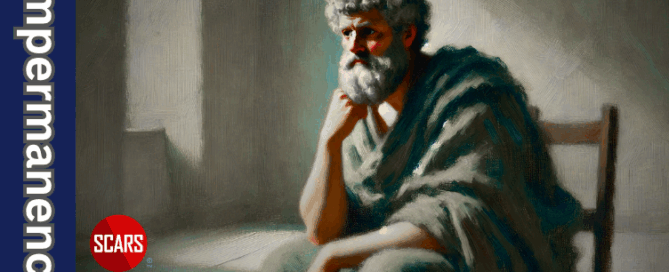
Impermanence and the Nature of Life & Death – An Essay – 2025

Impermanence and the Nature of Life & Death

An Important Lesson for Scam Victims in Recovery

Primary Category: Philosophy

Authors:
•  Tim McGuinness, Ph.D., DFin, MCPO, MAnth – Anthropologist, Scientist, Polymath, Director of the Society of Citizens Against Relationship Scams Inc.
Author Biographies Below


About This Article

Impermanence frames every life, and that lens can steady recovery after a relationship scam. Loss of money, trust, and plans hurts, yet those things change by nature. Meaning returns when attention shifts from what cannot be controlled to what can. Epictetus’ guidance applies with clarity: choices, words, and effort remain within reach; other people’s lies, the past, and most outcomes do not. Keep impressions at arm’s length, test them, and grant assent only after facts are clear. Hold mortality in mind to sort priorities, since time is limited and today’s actions matter. Practice simple roles with dignity, such as honest reporter, careful steward, and dependable friend. Rehearse setbacks in thought, prepare small responses, and let readiness replace panic. Treat gratitude as action, not sentiment, by showing up, helping, and paying help forward. Healing grows from steady, present work, compassion for human limits, and a firm refusal to let a criminal define identity or future.

Note: This article is intended for informational purposes and does not replace professional medical advice. If you are experiencing distress, please consult a qualified mental health professional.

Impermanence and the Nature of Life & Death

An Important Lesson for Read More …
Forgiveness and the 4 Steps to Healing – 2025

Forgiveness and the 4 Steps to Healing

The Four Basic Steps to Healing: A Journey of Forgiveness and Self-Discovery

Primary Category: Scam Victim Recovery Psychology  /  Scam Victim Recovery Philosophy

Authors:
•  Tim McGuinness, Ph.D., DFin, MCPO, MAnth – Anthropologist, Scientist, Polymath, Director of the Society of Citizens Against Relationship Scams Inc.
•  Janina Morcinek – Certified and Licensed Educator, European Regional Director of the Society of Citizens Against Relationship Scams Inc.
Author Biographies Below


About This Article

This is a clear roadmap for personal healing built on four interconnected steps: forgiving parents, forgiving past lovers, forgiving everyone else, and forgiving oneself. It emphasizes that each step may feel difficult but plays a vital role in releasing the emotional weight of old wounds and reshaping personal identity. Through these stages, individuals can understand how family experiences shaped them, how past relationships left imprints, and how external harms continue to influence their inner life. By addressing these influences one by one, readers may find a way to move forward without resentment, shame, or self-blame. The article highlights forgiveness as an act of strength, not submission, and frames it as a necessary practice for living with authenticity and resilience. This framework invites readers to view forgiveness as a powerful tool for personal freedom, emotional balance, and lasting growth.

Note: This article is intended for informational purposes and does not replace professional medical advice. If you are experiencing distress, please consult a qualified mental health professional.

Read More …

Scolding vs. Sound Advice – How to Tell the Difference – 2025

Scolding vs. Sound Advice – How to Tell the Difference

Sound Advice vs. Scolding: Scam Victims Face Huge Changes With Their Emotions and Can Have Difficulty Knowing the Difference

Primary Category: Scam Victim Recovery Psychology

Authors:
•  Vianey Gonzalez B.Sc(Psych) – Licensed Psychologist, Specialty in Crime Victim Trauma Therapy, Neuropsychologist, Certified Deception Professional, Psychology Advisory Panel & Director of the Society of Citizens Against Relationship Scams Inc.
•  Tim McGuinness, Ph.D., DFin, MCPO, MAnth – Anthropologist, Scientist, Polymath, Director of the Society of Citizens Against Relationship Scams Inc.
Author Biographies Below


About This Article

You can feel shaken and defensive right now, and that makes firm voices hard to hear; still, you can stay engaged by testing what you hear for facts without labels, options you can choose, proportion to the issue, and care for your pace. You can ask for adjustments that help you absorb guidance, such as a slower pace, one sentence at a time, and plain language you can write down. You can name one sensation, one feeling, and one need, then request the single sentence you need first. You can use short scripts that protect your dignity and keep the conversation useful. You can let hard truths land without taking them as attacks and keep only the parts that move your recovery forward today. You deserve calm, truthful guidance that respects your agency and gives you one clear next step.

Note: This article is intended for informational purposes and does Read More …

How to Make the Most of Your Anti-Scam Support Groups – 2025

How to Make the Most of Your Anti-Scam Support Groups

Turning a Chatty Anti-Scam Victims’/Survivors’ Support Groups into a Real Support Space

Primary Category: Advocacy

Authors:
•  Vianey Gonzalez B.Sc(Psych) – Licensed Psychologist, Specialty in Crime Victim Trauma Therapy, Neuropsychologist, Certified Deception Professional, Psychology Advisory Panel & Director of the Society of Citizens Against Relationship Scams Inc.
•  Debby Montgomery Johnson, President and CEO of BenfoComplete.com, Online Scam/Fraud Survivors Advocate, Author, Keynote Speaker, Trainer, Podcast Host, USAF Veteran, Chair and Director of the Society of Citizens Against Relationship Scams Inc.
Author Biographies Below

About This Article

A practical path transforms chat-focused anti-scam support groups into trauma-aware support spaces by prioritizing consent, confidentiality, truthful communication, paced sharing, nonjudgmental curiosity, and compassionate action. Clear member roles such as welcomer, question-asker, timekeeper, reflector, and resource curator create reliable structure across social media threads, video meetings, and in-person circles. Techniques that draw survivors out include open questions, affirmations, reflections, summaries, layered inquiry, feeling language, and brief skills practice. Storytelling serves first for validation and then gives way to present-focused healing through small, specific next steps. False encouragement and toxic positivity are reduced by testing messages for accuracy, compassion, and immediate usefulness. Broad participation grows through round-robins with passes, pair shares, chat prompts, spotlight rotations, and respectful timekeeping, while tough dynamics are contained with calm redirecting and grounding. Short recovery practices, privacy safeguards, and gentle indicators of group health sustain progress, and guest experts, including SCARS Institute directors, Read More …

Escapism, Reality Shifting, and Denial – Escaping the Pain – 2025


Escapism, Reality Shifting, and Denial – Escaping the Pain

The Practice of Reality Shifting, Escapism, Avoidance, Denial, and Escapism in Some Scam Victims and Survivors

Escapism, Reality Shifting, and Denial in our Modern World, and Especially in Many Scam Victims/Survivors – Helping Scam Victims to Understand the Dangers of Escapism and Denial

Primary Category: Scam Victim Recovery Psychology

Author:
•  Vianey Gonzalez B.Sc(Psych) – Licensed Psychologist, Specialty in Crime Victim Trauma Therapy, Neuropsychologist, Certified Deception Professional, Psychology Advisory Panel & Director of the Society of Citizens Against Relationship Scams Inc.
•  Tim McGuinness, Ph.D., DFin, MCPO, MAnth – Anthropologist, Scientist, Polymath, Director of the Society of Citizens Against Relationship Scams Inc.
Author Biographies Below


About This Article

You can use imagination as a tool, not a trap. Choose brief, purposeful escapes, then return to the facts and take one concrete step. When you set limits, protect sleep, test your story with honest feedback, and pair relief with repair, you turn escapism into recovery and keep avoidance and denial from running your life.

Note: This article is intended for informational purposes and does not replace professional medical advice. If you are experiencing distress, please consult a qualified mental health professional.

Escapism and Denial in our Modern World, and Especially in Many Scam Victims/Survivors

Helping Scam Victims to Understand the Dangers of Escapism and Denial

Author’s Note

This may feel like we are blaming victims, but we are not. This is about Read More …

Extreme Traumatic Fear – 2025

Extreme Traumatic Fear

Trauma Sufferers Can Sometimes Experience a Profound Extreme Form of Fear that can Incapacitate or Worse

Primary Category: Scam Victim Recovery Psychology

Author:
•  Tim McGuinness, Ph.D., DFin, MCPO, MAnth – Anthropologist, Scientist, Polymath, Director of the Society of Citizens Against Relationship Scams Inc.
Author Biographies Below


About This Article

Extreme traumatic fear is a powerful survival response that can overwhelm your body and mind long after danger has passed. You may feel a racing heart, rapid breathing, dizziness, or dissociation as the amygdala and the HPA axis flood you with stress hormones. For some people, this state persists and fuels PTSD symptoms such as intrusions, avoidance, hypervigilance, and sleep disruption. In rare but real cases, intense fear can contribute to medical crises like stress-induced cardiomyopathy, dangerous heart rhythms, or collapse driven by nocebo beliefs and cultural terror. Crowd panic and poor decisions under stress can also cause harm. You can lower risk by using grounded skills that calm the nervous system, including paced breathing, sensory grounding, progressive muscle relaxation, cold-water face cooling, gentle movement, and clear self-talk. Pair these with a safety plan, social support, and timely medical or therapeutic care. If you feel unsafe or in crisis, call 911 or your local emergency number.

Note: This article is intended for informational purposes and does not replace professional medical advice. If you are experiencing distress, please consult a qualified mental health professional.

Trauma Sufferers Can Read More …

The Darkness in Kindness and the Lucifer Effect – 2025


The Darkness in Kindness and the Lucifer Effect

Dark Kindness and the Lucifer Effect: How Good Intentions, Open Empathy, and Boundary Gaps Increase Scam Vulnerability

Primary Category: Psychology of Scams & Recovery

Authors:
•  Tim McGuinness, Ph.D., DFin, MCPO, MAnth – Anthropologist, Scientist, Polymath, Director of the Society of Citizens Against Relationship Scams Inc.
Author Biographies Below

About This Article

Kindness helped you survive, yet it also made you vulnerable to scripted manipulation. When fear of rejection and learned people pleasing blur into pathological altruism, your giving turns into self-erasure and exhaustion. Scammers study this pattern and mirror your empathy, then rush you across digital and emotional thresholds until your boundaries fade. The mirror neuron system lets you feel others’ pain, but without boundaries, it fuels empathic distress and compassion fatigue. The Lucifer Effect reminds you that context pressures can bend behavior, including the urge to rescue at any cost. Recovery starts with balanced connection: name your limits, slow every transition, and let values guide yes and no. Practice self-compassion, use clear scripts, and keep money and secrets out of private channels. When your kindness includes your own well-being, you protect your future, keep dignity intact, and make care sustainable for the people who truly deserve it.

Note: This article is intended for informational purposes and does not replace professional medical advice. If you are experiencing distress, please consult a qualified mental health professional.

Dark Kindness and the Lucifer Read More …

The Doorway Effect – Trauma Makes You Forget So Much – 2025

The Doorway Effect – Trauma Makes You Forget So Much

The Doorway Effect – Crossing a Boundary and Its Neurological Effects on Normal People and Traumatized Scam Victims

Primary Category: Psychology / Neurology

Authors:
•  Vianey Gonzalez B.Sc(Psych) – Licensed Psychologist, Specialty in Crime Victim Trauma Therapy, Neuropsychologist, Certified Deception Professional, Psychology Advisory Panel & Director of the Society of Citizens Against Relationship Scams Inc.
•  Tim McGuinness, Ph.D., DFin, MCPO, MAnth – Anthropologist, Scientist, Polymath, Director of the Society of Citizens Against Relationship Scams Inc.
Author Biographies Below

About This Article

The “doorway effect” describes a normal memory reset that happens at thresholds, both physical and emotional. After trauma, this reset can feel stronger, because the nervous system stays on alert and ties memory tightly to context. Scammers may exploit rapid switches between platforms, roles, and locations to fracture attention and soften boundaries. Practical anchors reduce that risk. A visible rule, a short pause, and independent verification carry a plan across scenes. Routines that protect sleep, food, hydration, and light movement support working memory, while brief grounding steps repair focus when a trigger opens a mental doorway. Support from trusted people, written checklists, and one stable channel for important tasks adds continuity. With steady practice, intention begins to travel with you, which protects safety, preserves dignity, and makes recovery work more manageable.

Note: This article is intended for informational purposes and does not replace professional medical advice. If you are experiencing distress, Read More …

An Alternate Path to Recovery for Single Scam Victims – 2025

An Alternate Path to Recovery for Single Scam Victims

Mutual Recovery as a Couple After Trauma: A Research and Practice Brief

The Garapata Theory of Scam Victim Recovery

Primary Category: Scam Victim Recovery Psychology

Authors:
•  Vianey Gonzalez B.Sc(Psych) – Licensed Psychologist, Specialty in Crime Victim Trauma Therapy, Neuropsychologist, Certified Deception Professional, Psychology Advisory Panel & Director of the Society of Citizens Against Relationship Scams Inc.
•  Tim McGuinness, Ph.D., DFin, MCPO, MAnth – Anthropologist, Scientist, Polymath, Director of the Society of Citizens Against Relationship Scams Inc.
Author Biographies Below

About This Article

When two trauma survivors, such as those recovering from romance scams, form a relationship, it can potentially support mutual healing, though deliberate partner-seeking during recovery is risky and often leads to further harm. Organic, in-person connections with someone who understands trauma may foster recovery through shared empathy, but success hinges on clear boundaries, slow pacing, and mutual respect for triggers. Practices like co-regulation, transparent communication, and separate finances, alongside external support like therapy, can stabilize both partners. However, pitfalls like trauma bonding, co-rumination, or attracting harmful individuals are common, especially with online searches, which amplify distrust and exposure to scammers. The article advises against pursuing relationships as a recovery strategy, emphasizing patience and self-focused healing. When relationships arise naturally, careful evaluation, consent, and body-aware habits like calm routines can nurture a safe, healing bond, provided both partners prioritize accountability and avoid dependency.

Note: This article is intended for informational purposes and Read More …

Let Your Emotions Flow – Name It – Don’t Shame It or Blame It – 2025

Let Your Emotions Flow – Name It – Don’t Shame It or Blame It

Emotions are Not the Enemy. Learn to Understand Them by Naming Them

Primary Category: Scam Victim Recovery Psychology

Authors:
•  Tim McGuinness, Ph.D., DFin, MCPO, MAnth – Anthropologist, Scientist, Polymath, Director of the Society of Citizens Against Relationship Scams Inc.
Author Biographies Below


About This Article

After a relationship scam, emotions and attention often turn inward in ways that keep pain active. Shame-driven self-focus attacks your worth, rumination replays events without resolution, and the body stays on alert. Relief grows when emotions get named, the body calms through longer exhales and brief movement, and judgment shifts to clear description. Sorting by time, topic, and evidence organizes facts and feelings, while short, direct statements protect energy and improve support. Healthy anger and grief receive a safe, limited space, then attention returns to small actions that match values. Limits on exposure, morning light, regular meals, and a simple evening wind-down help reset the nervous system. A therapist trained in betrayal trauma may add structure and pace. Progress shows up as steadier sleep, fewer sweeping claims, and a pause before decisions. Emotions remain present, yet they stop leading. Recovery becomes a series of calm, repeatable steps.

Note: This article is intended for informational purposes and does not replace professional medical advice. If you are experiencing distress, please consult a qualified mental health professional.

Emotions are Not the Enemy. Read More …

After the Scam – Psychological Factors for Scam Victims – 2025

After the Scam – Psychological Factors for Scam Victims

When Morning Breaks After a Scam: Healing Body Chemistry, Attachment, and Grief with Steady Practice

Primary Category: Scam Victim Recovery Psychology

Authors:
•  Vianey Gonzalez B.Sc(Psych) – Licensed Psychologist, Specialty in Crime Victim Trauma Therapy, Neuropsychologist, Certified Deception Professional, Psychology Advisory Panel & Director of the Society of Citizens Against Relationship Scams Inc.
•  Tim McGuinness, Ph.D., DFin, MCPO, MAnth – Anthropologist, Scientist, Polymath, Director of the Society of Citizens Against Relationship Scams Inc.
Author Biographies Below

About This Article

After a relationship scam ends, mornings can feel heavy as body chemistry, attachment wounds, and grief press at once. Messages, sounds, and memories may trigger adrenaline and cortisol spikes, while drops in dopamine and oxytocin leave restlessness and longing. This pull can feel like addiction because conditioning formed through repeated contact, yet steady routines can retrain rhythms. Short walks, longer exhales, morning light, and brief notes in a notebook or journal can calm the system. Attachment may push and pull between contact and distance; simple call-back rules, safer contacts, and clear boundaries bring steadier ground. Grief deserves space without shame; the sentence the feelings were real; the person was not holds truth, eases blame, and restores dignity. Cluster thinking often blends past and present; sorting by time, topic, and evidence keeps choices clear. With patient practice, supportive care, and paced reporting, symptoms can ease, sleep can improve, and daily life can feel possible again.

Note: Read More …

The Dangers of Cluster Thinking – 2025

The Dangers of Cluster Thinking

Cluster Thinking After a Scam: How to Recognize It, Untangle It, and Recover With Clarity

Primary Category: Scam Victim Recovery Psychology

Authors:
•  Tim McGuinness, Ph.D., DFin, MCPO, MAnth – Anthropologist, Scientist, Polymath, Director of the Society of Citizens Against Relationship Scams Inc.
Author Biographies Below


About This Article

Cluster thinking appears after a scam when the brain tries to save time by lumping many thoughts, feelings, and events together. You may blur facts with fears, link past and present, and jump from one bad experience to a sweeping judgment about experts, government, law enforcement, or advocates. Daily life can feel heavier, and recovery may stall. Simple checks can help. You can ask, what happened, what do I feel, what do I know, then write one sentence for each in a notebook or journal. Short tests such as spotting all-or-nothing words, mixed timelines, or rapid, global conclusions can reveal clustering. Small tools may loosen the knot: one event per statement, a brief pause before replies, slow exhales, a short walk, and limited, focused conversations. With practice, clusters separate into clear parts, sleep steadies, and decisions fit the day in front of you. You did not cause the harm, and you can regain clarity step by step.

Note: This article is intended for informational purposes and does not replace professional medical advice. If you are experiencing distress, please consult a qualified mental health professional.

Cluster Read More …

Physiological Effects of Repressing Healthy Anger and Tolerating Unhealthy Anger in Traumatized Scam Victims – 2025

Physiological Effects of Repressing Healthy Anger and Tolerating Unhealthy Anger in Traumatized Scam Victims

Somatic Effects of Anger on the Scam Victim’s Body

Primary Category: Psychology   /  Scam Victim Health

Author:
•  Vianey Gonzalez B.Sc(Psych) – Licensed Psychologist, Specialty in Crime Victim Trauma Therapy, Neuropsychologist, Certified Deception Professional, Psychology Advisory Panel & Director of the Society of Citizens Against Relationship Scams Inc.
•  Tim McGuinness, Ph.D., DFin, MCPO, MAnth – Anthropologist, Scientist, Polymath, Director of the Society of Citizens Against Relationship Scams Inc.
Author Biographies Below

About This Article

After a relationship scam, anger often sits beside shock and grief, and your body carries the load when healthy anger is pushed down or unhealthy anger is tolerated. Repressed anger keeps the stress response active, which may raise blood pressure, tighten muscles, upset digestion, weaken immunity, disturb sleep, and slow thinking. Repeated exposure to hostile outbursts can produce similar strain, adding headaches, chest tightness, and inflammation as allostatic load builds over time. Helpful steps are simple and steady: lengthen the exhale, soften the jaw and shoulders, take a brief walk after stress, create an evening wind-down, write one plain line in a notebook or journal, and use short boundary statements that lower exposure to harm. Healthy anger can become clear information and action, while unhealthy anger can be held at a safer distance. If symptoms persist or escalate, medical care may help you protect your health while recovery continues with patience, skill, and Read More …

Episodism in Scam Victim Recovery – 2025

Episodism in Scam Victim Recovery

Episodic Recovery After Betrayal Trauma: Before, During, and After

Primary Category: Scam Victim Recovery Philosophy

Authors:
•  Tim McGuinness, Ph.D., DFin, MCPO, MAnth – Anthropologist, Scientist, Polymath, Director of the Society of Citizens Against Relationship Scams Inc.
Author Biographies Below


About This Article

Episodism is an episodic view of betrayal trauma recovery that organizes life into “before,” “during,” and “after” without forcing a single, fixed story. By treating each phase as a contained chapter, a survivor may protect energy, name what happened with clarity, and build routines that calm the body and mind. The model can reduce shame, improve memory processing, and support safer choices through simple scripts, gentle check-ins, and trusted witnesses. Risks remain if compartments become walls, so the article encourages bridges that connect episodes through values, relationships, and steady practices. Presence in the current day carries more weight than a perfect explanation, and dignity grows when autonomy, boundaries, and support stand together. With patient repetition, small skills, and community, the after chapter may become livable, then hopeful, while honoring pain that still visits.

Note: This article is intended for informational purposes and does not replace professional medical advice. If you are experiencing distress, please consult a qualified mental health professional.

Episodism: Episodic Recovery After Betrayal Trauma: Before, During, and After

Author’s Note: We present this discussion of Episodism as yet another perspective on the scam victim/survivor’s experience from a different philosophical lens. Read More …

Tōrō Nagashi (灯籠流し) – A Monthly Lantern Ritual For Scam Victims – 2025

Tōrō Nagashi (灯籠流し) – A Monthly Lantern Ritual For Scam Victims

Japanese Floating Lanterns for Monthly Healing: Tōrō Nagashi and a Gentle 21-Month Practice

Primary Category: Scam Victim Recovery Psychology

Author:
•  Tim McGuinness, Ph.D., DFin, MCPO, MAnth – Anthropologist, Scientist, Polymath, Director of the Society of Citizens Against Relationship Scams Inc.
Author Biographies Below


About This Article

This is a ritual for scam victims and survivors involving gentle light on water, which offers a kind way to heal. With tōrō nagashi, “flowing lanterns,” you create a month-end ritual that honors grief without denying it. Each month for twenty-one months, you write three short lines on a small, water-safe lantern, one truth, one gratitude, one release, then set it afloat, watch the glow fade, and record a few notes. The repetition builds steadiness, marks progress you can see, and pairs release with calm. Quiet consistency, clear intentions, and gentle care turn a hard season into a measured path forward.

Note: This article is intended for informational purposes and does not replace professional medical advice. If you are experiencing distress, please consult a qualified mental health professional.


Japanese Floating Lanterns for Monthly Healing: Tōrō Nagashi (灯籠流し) and a Gentle 21-Month Practice

Grief after a relationship scam often arrives in waves that feel larger at night and quieter by day. By using a Tōrō Nagashi (灯籠流し) ritual, you can overcome more and more of the emotions that can be so difficult to Read More …

Ship of Theseus – A Reflection on Change – 2025

Ship of Theseus – A Reflection on Change

Ship of Theseus, Scam Recovery, and Your Evolving Changing Self

Primary Category: Scam Victim Recovery Philosophy

Authors:
•  Tim McGuinness, Ph.D., DFin, MCPO, MAnth – Anthropologist, Scientist, Polymath, Director of the Society of Citizens Against Relationship Scams Inc.
Author Biographies Below


About This Article

You can use the Ship of Theseus as a clear lens to understand life after a relationship scam: piece by piece, you can replace habits, boundaries, and beliefs, and you can wonder whether you are still you; the answer is that continuity lives in your values, purpose, and choices, not in unchanging parts. You can grieve the earlier version of yourself while you rebuild confidence and safety. You can set a long horizon for healing, practice steady skills, report when ready, and keep what defines you while you retire what no longer serves you. You can create an eight-year reflection ritual to review what you will keep and what you will change, and you turn your experience into protection for yourself and others through careful sharing, boundaries, and small, repeatable steps that keep you moving toward what matters.

Note: This article is intended for informational purposes and does not replace professional medical advice. If you are experiencing distress, please consult a qualified mental health professional.

Ship of Theseus, Scam Recovery, and Your Evolving Changing Self

The Ship of Theseus is an ancient thought experiment about how much change makes something Read More …

Reticence and Losing Your Voice After a Relationship Scam – 2025

Reticence and Losing Your Voice After a Relationship Scam

Reticence After a Relationship Scam: Why You Stay Silent and How to Start Speaking Again

Primary Category: Scam Victim Recovery Psychology

Author:
•  Tim McGuinness, Ph.D., DFin, MCPO, MAnth – Anthropologist, Scientist, Polymath, Director of the Society of Citizens Against Relationship Scams Inc.
Author Biographies Below


About This Article

After a relationship scam, reticence comes in; you may become reticent to report the crime, to speak with family and friends, to seek help, and even to join a support group. That silence functions as short-term protection driven by shame, fear of judgment, fragmented memory, and a threat-sensitive nervous system in which alarm signals rise and verbal fluency narrows under stress. The immediate costs include delayed reporting, prolonged exposure to recontact, stalled financial and emotional recovery, and isolation that keeps shame alive. At the societal level, reticence hides the scale of fraud, weakens prevention, and protects offenders. You make progress by treating reticence as a signal, creating safety and control, and taking small steps such as scripting a brief disclosure, choosing a safe person and channel, grounding your body, asking for one specific action, documenting and reporting, joining a moderated group as a listener first, and widening your circle at your own pace so your voice returns and with it protection, connection, and dignity.

Note: This article is intended for informational purposes and does not replace professional medical advice. If you are experiencing distress, please consult a qualified mental Read More …

Distress Tolerance – How to Develop It – 2025


Distress Tolerance – How to Develop It

Distress Tolerance in Scam Victim Recovery is About Learning to Hold Pain Without Breaking

Primary Category: Scam Victim Recovery Psychology

Author:
•  Vianey Gonzalez B.Sc(Psych) – Licensed Psychologist, Specialty in Crime Victim Trauma Therapy, Neuropsychologist, Certified Deception Professional, Psychology Advisory Panel & Director of the Society of Citizens Against Relationship Scams Inc.
•  Tim McGuinness, Ph.D., DFin, MCPO, MAnth – Anthropologist, Scientist, Polymath, Director of the Society of Citizens Against Relationship Scams Inc.
Author Biographies Below


About This Article

Distress tolerance is the skill that allows you to endure emotional storms without collapsing or causing further harm. After betrayal trauma from a scam, your capacity to handle pain often feels shattered, leaving you overwhelmed by even small stressors. By learning to recognize your limits and practicing techniques such as grounding, radical acceptance, self-soothing, and pausing before reacting, you can gradually expand your ability to withstand distress. Each time you survive a painful moment without resorting to destructive choices, you strengthen your resilience and reclaim power. Building distress tolerance does not erase betrayal, but it gives you the inner stability to survive grief, shame, and anger while moving forward toward healing and a meaningful future.

Note: This article is intended for informational purposes and does not replace professional medical advice. If you are experiencing distress, please consult a qualified mental health professional.

Distress Tolerance in Scam Victim Recovery: Learning to Read More …

Releasing Your Demons – Compartmentalized Traumatic Memories Will Haunt You – 2025

Releasing Your Demons – Compartmentalized Traumatic Memories Will Haunt You

Your Repressed & Compartmentalized Demons in Your Mind: The Psychological Need to Break the Lock on Buried Trauma

Primary Category: Scam Victim Recovery Psychology

Authors:
•  Vianey Gonzalez B.Sc(Psych) – Licensed Psychologist, Specialty in Crime Victim Trauma Therapy, Neuropsychologist, Certified Deception Professional, Psychology Advisory Panel & Director of the Society of Citizens Against Relationship Scams Inc.
•  Tim McGuinness, Ph.D., DFin, MCPO, MAnth – Anthropologist, Scientist, Polymath, Director of the Society of Citizens Against Relationship Scams Inc.
Author Biographies Below


About This Article

When you bury painful memories, you bury your demons; you do not silence them, you feed them. Locked away, they turn into demons that whisper lies, drain your energy, and keep you trapped in the cycles of hell, of fear and shame. The act of naming and expressing what was hidden takes away their power, allowing you to integrate those wounds into your story rather than letting them control you. Facing your demons requires courage, but it frees you from the hollow emptiness of suppression and opens a path toward healing, strength, and authenticity. By breaking the lock on what you once buried, you stop living as a host to pain and reclaim your life as your own.

Note: This article is intended for informational purposes and does not replace professional medical advice. If you are experiencing distress, please consult a qualified mental health professional.

Read More …

Framing and Reframing – Your Mental House Building – 2025

Framing and Reframing – Your Mental House Building

The Difference Between Framing and Reframing: A Guide for Betrayal-Trauma Recovery

Primary Category: Scam Victim Recovery Psychology

Authors:
•  Vianey Gonzalez B.Sc(Psych) – Licensed Psychologist, Specialty in Crime Victim Trauma Therapy, Neuropsychologist, Certified Deception Professional, Psychology Advisory Panel & Director of the Society of Citizens Against Relationship Scams Inc.
•  Tim McGuinness, Ph.D., DFin, MCPO, MAnth – Anthropologist, Scientist, Polymath, Director of the Society of Citizens Against Relationship Scams Inc.
Author Biographies Below


About This Article

After a scam, your mind builds fast protective stories that often turn global and self-blaming. Recovery begins by seeing the frame you are in, calming your body, then choosing reframes that are truthful, specific, compassionate, and actionable. Use a safe sequence, regulate, validate, reframe, and plan. Replace identity verdicts like “I am foolish” with accurate context like “I was groomed.” Pair new language with concrete steps such as credit freezes, secure passwords, reporting, and support groups. Avoid rushing, toxic positivity, perfectionism, and rumination, keep accountability on the offender while you take responsibility for repairs. Share your working frames with one trusted person, practice micro tools daily, expect lapses without giving up, and seek professional help if hopelessness or self-harm thoughts emerge.

Note: This article is intended for informational purposes and does not replace professional medical advice. If you are experiencing distress, please consult a qualified mental health professional.

The Difference Between Read More …

When Children Become Victims of Scams Too – A Guide for Parents – 2025

When Children Become Victims of Scams Too – A Guide for Parents

Parents As Scam Victims: Seeing and Supporting Children As Co-Victims

Primary Category: Scam Victim Recovery Psychology

Author:
•  Tim McGuinness, Ph.D., DFin, MCPO, MAnth – Anthropologist, Scientist, Polymath, Director of the Society of Citizens Against Relationship Scams Inc.
•  Vianey Gonzalez B.Sc(Psych) – Licensed Psychologist, Specialty in Crime Victim Trauma Therapy, Neuropsychologist, Certified Deception Professional, Psychology Advisory Panel & Director of the Society of Citizens Against Relationship Scams Inc.
Author Biographies Below


About This Article

When a scam strikes a family, children become co-victims, not bystanders. Safety returns when adults pair warmth with structure. Keep two lanes in view, the parent’s repair lane and the child’s growth lane. Restore small routines, tell the truth in simple language, and place responsibility where it belongs, on the offender, while adults lead repair. Younger children need brief reassurances and predictable days. Pre-teens need fairness they can see and a chance to help in age-fit ways. Teens need candor, privacy, clear roles, and firm digital boundaries. Guilt and shame will visit, yet steady messages, “You are safe and cared for,” and visible next steps calm the room. Schools, counselors, and community partners can align support so the child hears the same calm truth everywhere. If risk rises at home, act fast for safety, then reset. Recovery is not a straight line. It is many small returns to steadiness, celebrated out loud, “We are Read More …

The Profound Sadness That Comes with Physiological Trauma – 2025

The Profound Sadness That Comes with Physiological Trauma

The Silent Weight of Sadness: Understanding the Emotional Depth of Unresolved Psychological Trauma

Primary Category: Psychology

Author:
•  Tim McGuinness, Ph.D., DFin, MCPO, MAnth – Anthropologist, Scientist, Polymath, Director of the Society of Citizens Against Relationship Scams Inc.
Author Biographies Below


About This Article

Unresolved psychological trauma often settles into a quiet, persistent sadness that reshapes how you see yourself, others, and the world. It is not the clean arc of grief or only a clinical depression; it is a layered state fueled by nervous-system alarm, unfinished meaning-making, and injured trust. This sadness can appear as emptiness, fatigue, or withdrawal; as shame that attacks worth; as attachment withdrawal after a deceptive bond ends; or as moral injury when core values are violated. Triggers are cues that spike the body’s alarm, while sadness is the emotion about what was lost; both can co-occur and must be cared for in order, safety first. Helpful responses are steady and practical: name what you feel, ground the body, use brief skills like paced breathing and five-sense orientation, seek dignifying support, and keep boundaries with minimizing people and “rescuers.” Healing is paced, collaborative, and culturally aware. You honor the pain, integrate it into your story, and rebuild meaning through small, repeatable acts that restore agency, connection, and self-respect.

Note: This article is intended for informational purposes and does not replace professional medical advice. If you are experiencing distress, please consult a qualified mental Read More …

Really Listening to Scam Victims – 2025

Really Listening to Scam Victims

Listening That Heals: How To Really Hear Scam Victims
Why Listening Matters More Than Fixing

Primary Category: Advocacy  /  Scam Victim Recovery Psychology

Author:
•  Tim McGuinness, Ph.D., DFin, MCPO, MAnth – Anthropologist, Scientist, Polymath, Director of the Society of Citizens Against Relationship Scams Inc.
Author Biographies Below

About This Article

Listening, not fixing, is the first medicine after a relationship scam. Center the survivor’s story, reflect feelings with clear validation, and use consent before advice so dignity and a sense of control can return. Family, advocates, and law enforcement pair compassion with structure by teaching brief regulation skills, honoring boundaries, and routing needs beyond scope to trusted professionals. When a conversation must shift, pause with permission, name the purpose, and pivot gently toward safety or next steps. Practiced consistently, this approach steadies the nervous system, reduces shame, and helps people move from shock to small, doable action.

Note: This article is intended for informational purposes and does not replace professional medical advice. If you are experiencing distress, please consult a qualified mental health professional.

Listening That Heals: How To Really Hear Scam Victims

Author’s Note

This article is about listening. You are about to learn how to listen in a way that helps a scam victim feel believed, safe, and worthy. You will find practical language, simple skills, and clear boundaries you can use in real conversations. If you are a family member or Read More …

Psychache – An Unbearable Mental Pain – 2025


Psychache – An Unbearable Mental Pain

Understanding Psychache: The Unbearable Pain Beneath the Surface of Trauma and Grief

Primary Category: Scam Victim Recovery Psychology 

Author:
•  Tim McGuinness, Ph.D., DFin, MCPO, MAnth – Anthropologist, Scientist, Polymath, Director of the Society of Citizens Against Relationship Scams Inc.
Author Biographies Below

About This Article

Psychache is the term Edwin Shneidman used to describe the unbearable psychological pain that can make life feel intolerable, and it is especially relevant for scam victims who endure betrayal, humiliation, and shattered trust. Unlike depression or hopelessness, psychache is not a diagnosis but the raw experience of mental anguish that emerges when psychological needs like love, belonging, or safety are crushed. It is closely tied to trauma, yet distinct from it: trauma is the wound, psychache is the pain radiating from that wound. Many victims try to escape psychache by turning to dissociation or forced positivity, but these only delay healing. Recovery requires courage to face this pain directly, allowing grief, anger, and despair to be acknowledged rather than buried. With support, self-awareness, and grounded hope, psychache can be processed instead of denied. While it may never vanish completely, it can transform from unbearable torment into a sign of what was endured and survived, opening the path toward peace, resilience, and renewal.

Note: This article is intended for informational purposes and does not replace professional medical advice. If you are experiencing distress, please consult a qualified mental health professional.


Read More …

Dysphoria – Wanting Reality to be Different Than It Is – 2025

Dysphoria – Wanting Reality to be Different Than It Is

The Desire for a Life Different Than Our Own

Primary Category: Anthropology  /  Philosophy

Author:
•  Tim McGuinness, Ph.D., DFin, MCPO, MAnth – Anthropologist, Scientist, Polymath, Director of the Society of Citizens Against Relationship Scams Inc.
Author Biographies Below


About This Article

Dysphoria is presented here as the near-universal condition of wanting reality to be different than it is, a pattern that likely intensified when religion introduced ideals that measured ordinary life against something better. The thesis explains how modern systems deepen this dissatisfaction: schools train the belief that one is incomplete until one becomes something, marketing sells permanent lack, social media curates envy, and scammers exploit the longing for romance, wealth, and status. The psychological costs are substantial, including diminished self-esteem, anxiety, depression, identity instability, burnout, debt, strained relationships, and a persistent sense of existential emptiness. The body becomes a prime battleground through appearance pressures, cosmetic industries, and porn’s idealized intimacy, with body dysmorphia as an intensified endpoint and chronic stress burdening the nervous system. Cultural stories, films, and influencer narratives keep the fairy-tale chase alive, while philosophical and religious traditions, Abrahamic, Asian, Aztec, and Native American in contrast, show how striving has been framed as duty, transcendence, balance, or sacrifice. Dysphoria functions as both driver and destroyer, powering innovation and art while feeding greed and restlessness. Radical acceptance in Buddhist practice offers a counterpoint, suggesting peace through wanting less and inhabiting what is. Read More …

The Dark Side of Scam Victimization & Trauma – 2025

The Dark Side of Scam Victimization & Trauma

The Dark Side of Scam Victimization and Trauma: Why Honesty About Pain Matters in Your Recovery

Primary Category: Scam Victim Recovery Psychology

Author:
•  Tim McGuinness, Ph.D., DFin, MCPO, MAnth – Anthropologist, Scientist, Polymath, Director of the Society of Citizens Against Relationship Scams Inc.
Author Biographies Below


About This Article

The emotional, neurological, and physical damage caused by psychological trauma after scam victimization is real, serious, and often long-lasting. While positive thinking and recovery messages have their place, they should never overshadow or silence the painful, complex realities that many survivors still face. From betrayal trauma to institutional neglect, the path forward starts not with forced hope, but with honest acknowledgment of what the trauma has done to your mind, body, and sense of safety. Healing is possible, but only when the full truth is allowed to be spoken. There must be space for pain in survivor communities. Without it, the most wounded voices will stay silent, and the darkness will remain unchallenged.

Note: This article is intended for informational purposes and does not replace professional medical advice. If you are experiencing distress, please consult a qualified mental health professional.

The Dark Side of Scam Victimization and Trauma: Why Honesty About Pain Matters in Your Recovery

Facing What Hurts

When people talk about recovering from scam victimization, they often excessively focus on the positive, hope, healing, new beginnings, and inner strength. That is Read More …

Abandonment Rejection and Disappointment – Past Present and Future – That Shape Our Lives – 2025

Abandonment Rejection and Disappointment – Past Present and Future – That Shape Our Lives

Abandonment Rejection and Disappointment – the Three Psychological Wounds We All Have

Primary Category: Scam Victim Recovery Psychology

Authors:
•  Tim McGuinness, Ph.D., DFin, MCPO, MAnth – Anthropologist, Scientist, Polymath, Director of the Society of Citizens Against Relationship Scams Inc.
Author Biographies Below


About This Article

Abandonment, rejection, and disappointment are not just emotional events from your past; they are core wounds that shape how you see yourself, relate to others, and respond to new challenges, especially after trauma. These three injuries often go unspoken, yet they affect everything from your ability to trust to your belief in the future. When you begin to understand how these wounds interact and continue to influence your thoughts and behavior, you can finally start to break free from the cycles they create. Healing does not mean forgetting what happened. It means slowing down, observing yourself with honesty, and choosing self-compassion over shame. Over time, with commitment and care, you can reclaim the parts of your life that felt lost and reconnect to a deeper sense of purpose. You are not your pain. You are the person who survived it and who still has more to become.

Note: This article is intended for informational purposes and does not replace professional medical advice. If you are experiencing distress, please consult a qualified mental health professional.

Abandonment Rejection and Disappointment – Read More …

How Scam Victims Struggle with Their Traumatic Memories // Cómo las Víctimas de Estafas Lidian con Sus Recuerdos Traumáticos – 2025

How Scam Victims Struggle with Their Traumatic Memories
Cómo las Víctimas de Estafas Lidian con Sus Recuerdos Traumáticos

Living Through the Weight of Traumatic Memories // Vivir con el Peso de los Recuerdos Traumáticos

Primary Category: Scam Victim Recovery Psychology / Editorial 

Author:
•  Vianey Gonzalez B.Sc(Psych) – Licensed Psychologist, Specialty in Crime Victim Trauma Therapy, Neuropsychologist, Certified Deception Professional, Psychology Advisory Panel & Director of the Society of Citizens Against Relationship Scams Inc.


About This Article

In this personal reflection, Lic. Vianey Gonzalez shares her experience of recovering from the betrayal trauma caused by a romance scam. She describes how the traumatic memories did not follow a logical narrative but came in emotional fragments that overwhelmed her body and mind. These memories left her feeling broken and ashamed, causing her to lose trust in others and in herself. Her healing began when she discovered resources from the SCARS Institute that explained trauma responses and offered structured tools like voice journaling and support groups. By learning about betrayal trauma, she was able to begin forgiving herself, stop hiding in silence, and start reclaiming her identity. Along the way, she discovered that not everyone supported her recovery, but she chose to keep healing anyway. She emphasizes that recovery is a daily commitment and that while grief still surfaces, she is learning to live with honesty, resilience, and renewed compassion. Her journey reveals that healing is not about going back to who she was before Read More …

Why Do Some Scam Victims ‘Double Down’ Instead of Accepting the Truth that They have Been Scammed – 2025

Why Do Some Scam Victims ‘Double Down’ Instead of Accepting the Truth that They have Been Scammed

Why Some Scam Victims ‘Double Down’ When Confronted with the Truth About Being in a Scam

Note: This article is primarily intended for the family and friends of a scam victim trapped in a scam, who ‘double down’ and refuse to accept the truth.

Primary Category: Psychology of Scams

Author:
•  Tim McGuinness, Ph.D., DFin, MCPO, MAnth – Anthropologist, Scientist, Polymath, Director of the Society of Citizens Against Relationship Scams Inc.


About This Article

Scam victims who “double down” do so not out of stubbornness, but as a psychological defense against unbearable emotional loss, identity disruption, and shame. This behavior protects their ego and helps maintain the illusion of control in a situation that feels out of their hands. Friends and family often struggle to help, but understanding the reasons behind doubling down is the key to approaching victims with empathy instead of frustration. Effective support involves creating emotional safety, asking strategic “just in time” questions, avoiding confrontation, and knowing when to escalate to professional or legal intervention. Helping a victim see the truth requires compassion, patience, and a commitment to long-term care.

Note: This article is intended for informational purposes and does not replace professional medical advice. If you are experiencing distress, please consult a qualified mental health professional.

Why Some Scam Victims ‘Double Down’ When Confronted with the Truth About Read More …

Humming to Control Your Emotions – 2025

Humming to Control Your Emotions

Scam Victims/Survivors Can Find Calm with a Simple Humming Mindfulness Grounding Exercise

Primary Category: Scam Victim Recovery Psychology  / Neuroscience

Author:
•  Tim McGuinness, Ph.D., DFin, MCPO, MAnth – Anthropologist, Scientist, Polymath, Director of the Society of Citizens Against Relationship Scams Inc.


About This Article

When you hum, you engage more than your voice; you stimulate your nervous system, ground your emotions, and help yourself process the internal chaos that betrayal trauma often creates. Humming activates the vagus nerve, which plays a direct role in calming your body and restoring emotional regulation. It lowers stress hormones, eases anxiety, interrupts negative thought spirals, and can even boost mood-related chemicals like oxytocin. For many scam victims, this simple act becomes a powerful form of self-guided exposure therapy. Each time you hum, you release pressure from the parts of yourself that feel locked down. You begin to reclaim control over your nervous system without needing to speak or explain. Humming can become a bridge between your silence and your healing. When combined with deep reflection and emotional expression, such as reading and responding to SCARS Institute articles, it becomes a gentle, repeatable practice that gives your mind and body a safe signal: You are not in danger now.

Note: This article is intended for informational purposes and does not replace professional medical advice. If you are experiencing distress, please consult a qualified mental health professional.

Scam Read More …

SCARS Institute: You Cannot Heal Unless You Understand // Instituto SCARS: No Puedes Sanar a Menos que Entiendas – 2025

SCARS Institute: You Cannot Heal Unless You Understand
Instituto SCARS: No Puedes Sanar a Menos que Entiendas

Understand to Heal: My Journey Through Betrayal, Recovery, and Self-Discovery
Comprender para Sanar: Mi Viaje a Traición, Recuperación y Autodescubrimiento

Primary Category: Editorial // Psychology   

Author:
•  Vianey Gonzalez B.Sc(Psych) – Licensed Psychologist, Specialty in Crime Victim Trauma Therapy, Neuropsychologist, Certified Deception Professional, Psychology Advisory Panel & Director of the Society of Citizens Against Relationship Scams Inc.


About This Article // Acerca de Este Artículo

This personal journey reflects the ongoing process of healing after betrayal trauma and the role of knowledge in recovery. Eight years after being scammed, I’ve learned that true healing comes from understanding, not avoiding. The SCARS Institute articles became a lifeline for me, helping me uncover emotions I had suppressed and guiding me through the stages of acceptance, forgiveness, and growth. Each article felt like a private therapy session, giving me tools to face the pain I once tried to bury and helping me process the lingering wounds I didn’t even realize were still there. Through reflection, self-compassion, and continuous learning, I’ve discovered that recovery isn’t about forgetting the past but reclaiming my power and rebuilding trust in myself. If you’ve been through betrayal, know that there is nothing wrong with you, and you are not alone. Understanding your experience opens the door to healing, and giving yourself that permission is the first step toward truly living again.

Esta experiencia personal refleja Read More …

How Long Does it Take to Recover – The Complexities of Breaking Relationship Bonds, Even Fake Ones – 2025

You Don’t Want to Hear This: How Long Does it Take to Recover

The Complexities of Breaking Relationship Bonds, Even Fake Ones

It May Take Up To Eight Years to Rewire: How Your Brain Heals After Losing Love and Facing Betrayal from a Relationship Scam – Rewriting the Neural Map: Understanding Attachment, Grief, and Recovery After a Scam

Primary Category: Scam Victim Recovery Psychology  

Author:
•  Tim McGuinness, Ph.D., DFin, MCPO, MAnth – Anthropologist, Scientist, Polymath, Director of the Society of Citizens Against Relationship Scams Inc.


About This Article

To recover after a traumatic attachment, especially in the case of a scam, is not a simple or quick process. Your brain bonded to someone who felt emotionally real, even if they never truly existed. That emotional circuitry does not shut down just because the truth is revealed. Instead, it enters a long period of conflict, withdrawal, and gradual rewiring. For scam survivors, the process is even more complicated. You face not only the pain of emotional loss but the shock of betrayal and deception. These experiences overload your emotional system and confuse your identity, memory, and sense of self. Healing requires patience, structured habits, and a willingness to feel your emotions instead of running from them. You cannot force your brain to let go, but you can guide it with small, deliberate actions that build new emotional patterns and relationships. There will be setbacks. You will revisit pain. That does not mean you are failing. Read More …

INTERPOL-Coordinated Operation Leads to 1,209 Arrests in Africa – 2025

INTERPOL-Coordinated Operation Leads to 1,209 Arrests in Africa

INTERPOL Operation Serengeti 2.0 – African Authorities Dismantle Massive Cybercrime and Fraud Networks, Recover Millions

Primary Category: Criminal Justice  //  Crimes and Criminals

Authors:
•  SCARS Editorial TeamSociety of Citizens Against Relationship Scams Inc.
•  INTERPOL

About This Article

Operation Serengeti 2.0, an INTERPOL-led initiative conducted from June to August 2025, resulted in the arrest of 1,209 cybercriminals across 18 African nations and the UK, dismantling 11,432 malicious infrastructures and recovering over USD 97.4 million. The crackdown targeted ransomware, online scams, business email compromise, cryptocurrency fraud, and inheritance scams, affecting nearly 88,000 victims worldwide. Major highlights include shutting down 25 illegal crypto-mining centers in Angola, disrupting a USD 300 million investment fraud scheme in Zambia, and dismantling a transnational inheritance scam in Côte d’Ivoire. The operation showcased the growing effectiveness of cross-border intelligence sharing, private-sector collaboration, and hands-on investigator training. Through its partnership with the International Cyber Offender Prevention Network (InterCOP), authorities also focused on proactive strategies to identify and mitigate cyber threats before they occur.


African Authorities Dismantle Massive Cybercrime and Fraud Networks, Recover Millions

In a sweeping INTERPOL-coordinated operation, authorities across Africa have arrested 1,209 cybercriminals targeting nearly 88,000 victims.

The crackdown recovered USD 97.4 million and dismantled 11,432 malicious infrastructures, underscoring the global reach of cybercrime and the urgent need for cross-border cooperation.

Operation Serengeti 2.0 (June to August 2025) brought Read More …

The Prisoner’s Dilemma – Something Every Scam Survivor Needs to Understand – 2025

The Prisoner’s Dilemma – Something Every Scam Survivor Needs to Understand

The Prisoner’s Dilemma and the Pathway to Recovery for Scam Survivors – Shows that Trust and Cooperation with Kindness within Boundaries are the Keys to Life.

Primary Category: Scam Victim Recovery Philosophy

Author:
•  Tim McGuinness, Ph.D., DFin, MCPO, MAnth – Anthropologist, Scientist, Polymath, Director of the Society of Citizens Against Relationship Scams Inc.


About This Article

Recovery from a scam can feel like a lonely and unsafe process, where trust seems dangerous and every decision feels risky. The Prisoner’s Dilemma offers a powerful lesson for survivors: cooperation, trust, and honesty are the essential principles of recovery, but only when paired with clear boundaries, forgiveness, and kindness. These principles help you avoid becoming rigid or isolated while still protecting yourself from further harm. Recovery does not require you to forget what happened, but it does ask you to make smarter choices about how you engage with others and with yourself. By choosing to be kind without being naïve, forgiving without inviting danger, setting boundaries without fear, and speaking clearly without shame, you build a strong foundation for long-term healing. These tools allow you to move forward, not by pretending the scam did not happen, but by creating a new structure where a safe connection is possible again. You reclaim not only your life but also the ability to participate in it with strength, clarity, and self-respect.

Note: This article is intended for informational purposes and Read More …

Why Trauma Denial After a Scam Hurts You and How to Face It Safely – 2025

Why Trauma Denial After a Scam Hurts You and How to Face It Safely

Trauma Denial After a Scam: Why It Feels Safer at that Moment to Deny How Badly You Were Hurt, Why It Hurts More Later, and What You Can Do About It

Primary Category: Scam Victim Recovery Psychology

Author:
•  Tim McGuinness, Ph.D., DFin, MCPO, MAnth – Anthropologist, Scientist, Polymath, Director of the Society of Citizens Against Relationship Scams Inc.

About This Article

You faced a real crime of abuse, not a personal failure. Trauma denial happens when you can admit the scam, but tell yourself it did not really affect you much. That story blocks healing and recovery. It keeps your stress levels high, scrambles focus and sleep, tightens your body, and strains work and relationships. You can move forward when you name what happened and how it changed you. Use simple skills each day: grounding with “today’s date and place,” slow four in six out breathing, and steady wake and wind-down times. Take safety steps with money and accounts. Tell one trusted person and ask them to listen to you, not trying to fix you. Keep a short two line log or journal so you can see triggers and what helps. Small actions done daily loosen denial, lower fear and anxiety, and lead to safer choices. If you feel stuck, a trauma-trained therapist can guide you. You deserve steady recovery, clear thinking, and a safer life.

Note: This article is intended Read More …