


Search results for: psychology

Need a new search?

If you didn't find what you were looking for, try a new search!

Subliminal Messaging and Scams – A Deeper Look – 2024

Subliminal Messaging and Scams – A Deeper Look

How Scammer’s Subliminal Messaging Works on the Brain of Scam Victims: An In-Depth Exploration

Part 2 of a 2-Part Series – Part 1 is on RomanceScamsNOW.com

Primary Category: Psychology of Scams

Authors:
•  Vianey Gonzalez B.Sc(Psych) – Licensed Psychologist, Specialty in Crime Victim Trauma Therapy, Neuropsychologist, Certified Deception Professional, Psychology Advisory Panel & Director of the Society of Citizens Against Relationship Scams Inc.
•  Tim McGuinness, Ph.D., DFin, MCPO, MAnth – Anthropologist, Scientist, Polymath, Director of the Society of Citizens Against Relationship Scams Inc.

About This Article

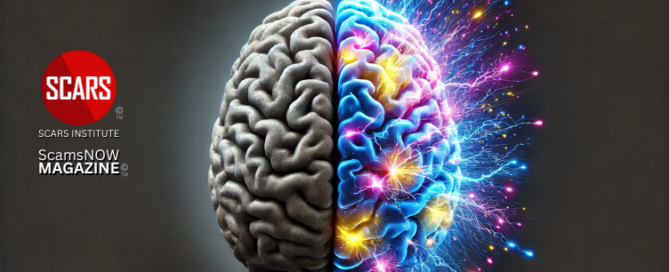
Subliminal messaging works by presenting stimuli—whether visual or auditory—that are below the threshold of conscious awareness, meaning they are perceived subconsciously. The brain processes these inputs using sensory systems like the visual and auditory cortices, while regions such as the amygdala and hippocampus handle emotional responses and memory integration.

These subliminal messages can influence thoughts, emotions, and behaviors by activating existing associations or “priming” the brain for specific actions. Scammers use these techniques to manipulate victims in relationship scams, embedding subtle emotional triggers in their communication to deepen control.

Read More …

Scam Victims-Survivors: Stop Consuming Artificial Sweeteners NOW for Your Trauma and Brain! – 2024

Scam Victims-Survivors: Stop Consuming Artificial Sweeteners NOW for Your Trauma and Brain!

The Role of Glucose in Brain Function and the Impact of Artificial Sweeteners on Individuals with Trauma such as Scam Victims-Survivors

Primary Category: Scam Victim Recovery

Authors:
•  Vianey Gonzalez B.Sc(Psych) – Licensed Psychologist, Specialty in Crime Victim Trauma Therapy, Neuropsychologist, Certified Deception Professional, Psychology Advisory Panel & Director of the Society of Citizens Against Relationship Scams Inc.
•  Tim McGuinness, Ph.D., DFin, MCPO, MAnth – Anthropologist, Scientist, Polymath, Director of the Society of Citizens Against Relationship Scams Inc.

About This Article

Glucose is essential for proper brain function, particularly in supporting cognitive tasks like memory, attention, and decision-making. For individuals recovering from trauma, such as scam victims-survivors, the brain’s need for glucose becomes even more critical.

Artificial sweeteners, often used to replace sugar, fail to provide the necessary energy the brain requires, potentially exacerbating cognitive and emotional difficulties. Studies also indicate that artificial sweeteners can interfere with the brain’s reward system, contributing to mood fluctuations, impaired memory, and increased cravings, which can worsen the effects of trauma. For trauma survivors, it’s important to prioritize a balanced diet with natural glucose sources to support mental health and cognitive function while being cautious of the potential negative impacts of artificial sweeteners.

Read More …

5 Simple Ways for Scam Victims-Survivors to Avoid Common Thinking (Decision-Making) Errors During Scam Recovery – 2024

5 Simple Ways for Scam Victims-Survivors to Avoid Common Thinking Errors During Scam Recovery

Helping Scam Victims-Survivors Control Their Decision Making and Biases

Primary Category:

Authors:
•  Vianey Gonzalez B.Sc(Psych) – Licensed Psychologist, Specialty in Crime Victim Trauma Therapy, Neuropsychologist, Certified Deception Professional, Psychology Advisory Panel & Director of the Society of Citizens Against Relationship Scams Inc.
•  Tim McGuinness, Ph.D., DFin, MCPO, MAnth – Anthropologist, Scientist, Polymath, Director of the Society of Citizens Against Relationship Scams Inc.

About This Article

Recovering from a scam is a challenging process that often involves addressing thinking errors that can impede decision-making and emotional recovery. Scam victims may fall into common traps such as cognitive biases, emotional reasoning, overconfidence, and all-or-nothing thinking, which can cloud judgment and hinder progress.

Additionally, biases like hindsight and memory distortion can lead to excessive guilt, while ignoring the role of randomness may cause victims to overanalyze events. Victims may also struggle with attributional bias, either taking too much or too little blame. To move forward, it’s important to recognize these thinking errors, seek objective feedback, and practice self-awareness.

Read More …

The Fear of Being Wrong Keeps Scam Victims Vulnerable – 2024

The Fear of Being Wrong Keeps Scam Victims Vulnerable

The Fear of Being Wrong: How It Becomes a Major Vulnerability to Scams and Continues to Make Scam Victims Vulnerable

Primary Category: Scam Victim Recovery Psychology

Authors:
•  Vianey Gonzalez B.Sc(Psych) – Licensed Psychologist, Specialty in Crime Victim Trauma Therapy, Neuropsychologist, Certified Deception Professional, Psychology Advisory Panel & Director of the Society of Citizens Against Relationship Scams Inc.
•  Tim McGuinness, Ph.D., DFin, MCPO, MAnth – Anthropologist, Scientist, Polymath, Director of the Society of Citizens Against Relationship Scams Inc.

About This Article

The fear of being wrong is a powerful psychological force that scammers exploit to manipulate and trap their victims. Rooted in cognitive biases, logical fallacies, defense mechanisms, and psychological schemas, this fear prevents individuals from recognizing red flags or admitting they were deceived, often keeping them engaged with the scam even when evidence suggests otherwise.

Scammers use this fear to their advantage, creating emotional dependence and reinforcing the victim’s need to feel right. To recover and protect themselves from future scams, victims must confront and overcome this fear by embracing self-awareness, humility, and the ability to learn from mistakes. Acknowledging that being wrong is part of the human experience is key to breaking free from deception and reclaiming emotional and psychological autonomy.

Read More …

Disinformation, Spam, and Scams are Making People More Susceptible to Scams – 2024

Disinformation, Spam, and Scams are Making People More Susceptible to Scams

The Impact of Disinformation, Spam, and Scam on Scam Victim Vulnerability to Scams: How Disinformation Overload Numbs the Mind to Real Dangers

Primary Category: Psychology of Scams

Author:
•  Tim McGuinness, Ph.D., DFin, MCPO, MAnth – Anthropologist, Scientist, Polymath, Director of the Society of Citizens Against Relationship Scams Inc.

About This Article

The constant bombardment of disinformation and information overload can numb individuals’ awareness to real dangers, such as scams and fraud. With the overwhelming amount of content we face daily, our ability to critically evaluate and process important information diminishes. Disinformation, like spam, confuses and desensitizes us, often leading to cognitive fatigue, reduced attention, and emotional manipulation.

This leaves individuals more vulnerable to scams, as they struggle to discern truth from deception amidst the clutter. Critical thinking, careful evaluation, and mindful information consumption are key defenses against this disorienting environment, helping people regain focus and protect themselves from fraudulent schemes.

Read More …

Becoming Formidable Through Recovery for Scam Victims – 2024

Becoming Formidable Through Recovery for Scam Victims

A Guide for Scam Victims: Becoming Formidable After Trauma – Traumatic Growth

Primary Category: Scam Victim Recovery Psychology

Author:
•  Tim McGuinness, Ph.D., DFin, MCPO, MAnth – Anthropologist, Scientist, Polymath, Director of the Society of Citizens Against Relationship Scams Inc.

About This Article

Scam victims, often grappling with deep emotional trauma, can rebuild their lives and become formidable through psychological recovery. Drawing on teachings like those of Jordan Peterson, victims can choose either to remain weak and damaged or to rise above their pain.

By embracing responsibility for their healing, rebuilding self-confidence, practicing emotional intelligence, and learning persistence, victims can transform their suffering into personal strength. Through facing fears, developing self-discipline, and continuing to grow, scam victims can turn their traumatic experience into a catalyst for powerful personal development.

Read More …

Price’s Law and Scam Fraud & Cybercrime Awareness Education – 2024

Price’s Law and Scam Fraud & Cybercrime Awareness Education

Applying Price’s Law to Scam Awareness: Why Anti-Scam Education Often Fails

Primary Category: Advocacy and Policy

Authors:
•  Vianey Gonzalez B.Sc(Psych) – Licensed Psychologist, Specialty in Crime Victim Trauma Therapy, Neuropsychologist, Certified Deception Professional, Psychology Advisory Panel & Director of the Society of Citizens Against Relationship Scams Inc.
•  Tim McGuinness, Ph.D., DFin, MCPO, MAnth – Anthropologist, Scientist, Polymath, Director of the Society of Citizens Against Relationship Scams Inc.

About This Article

While Price’s Law highlights the limitations of broad anti-scam awareness campaigns, understanding this phenomenon can help refine and improve educational efforts.

By focusing on the highly engaged minority and creating more targeted, compelling content, organizations can increase the chances of success in their fight against scams and fraud. Though the majority may not engage meaningfully, leveraging the power of the informed few can drive significant change.

Read More …

Statement About Professional Care for Scam Victims – 2024

Statement About Professional Care for Scam Victims

Understanding the Need for Specialized Professional Care for Scam Victims

Primary Category: Scam Victim Recovery Psychology

Authors:
•  Vianey Gonzalez B.Sc(Psych) – Licensed Psychologist, Specialty in Crime Victim Trauma Therapy, Neuropsychologist, Certified Deception Professional, Psychology Advisory Panel & Director of the Society of Citizens Against Relationship Scams Inc.
•  Tim McGuinness, Ph.D., DFin, MCPO, MAnth – Anthropologist, Scientist, Polymath, Director of the Society of Citizens Against Relationship Scams Inc.

About This Article

When forming opinions, especially on complex subjects like scam victimization and psychological trauma, it’s essential to rely on actual knowledge and experience. Understanding the neuropsychological impacts, such as how the brain’s response to scams mimics addiction, provides valuable insights into why victims struggle emotionally.

Generalized knowledge or misconceptions can mislead both victims and professionals, hindering recovery. By seeking specialized knowledge, particularly from trauma-informed professionals, victims can receive more effective support and achieve better outcomes in their healing process. Accurate, informed perspectives are key to proper recovery.

Read More …

Some Thoughts on the Nature of Evil and Scam Victims – Especially Betrayal as an Evil Act – 2024

Some Thoughts on the Nature of Evil and Scam Victims – Especially Betrayal as an Evil Act

A Taxonomy of Evil – Helping Scam Victims to Understand the Evil That Was Done to Them

Primary Category: Philosophy of Scams

Author:
•  Tim McGuinness, Ph.D., DFin, MCPO, MAnth – Anthropologist, Scientist, Polymath, Director of the Society of Citizens Against Relationship Scams Inc.

About This Article

Evil is a very complex concept, with philosophical, psychological, and moral dimensions, and understanding it can help scam victims process the harm done to them.

This taxonomy of evil categorizes harmful actions based on intent and impact, such as intentional evil, where harm is deliberate, and instrumental evil, where harm is a byproduct of another goal, such as greed or desperation. It’s important to separate evil acts from inherently evil individuals—scammers often act out of financial need or pressure, not intrinsic malice. Understanding this distinction is important for justice, rehabilitation, and emotional recovery for victims.

Read More …

Fantasizing and the Dopamine Trap – 2024

Fantasizing and the Dopamine Trap

How Fantasizing and Daydreaming Fuel the Scam Victim’s Dopamine Trap in Romance and Investment Scams: A Neurological Perspective

Primary Category: Psychology of Scams

Authors:
•  Vianey Gonzalez B.Sc(Psych) – Licensed Psychologist, Specialty in Crime Victim Trauma Therapy, Neuropsychologist, Certified Deception Professional, Psychology Advisory Panel & Director of the Society of Citizens Against Relationship Scams Inc.
•  Tim McGuinness, Ph.D., DFin, MCPO, MAnth – Anthropologist, Scientist, Polymath, Director of the Society of Citizens Against Relationship Scams Inc.

About This Article

Fantasizing plays a crucial role in keeping scam victims trapped in a cycle of manipulation, largely due to its impact on the brain’s dopamine system. When victims daydream about the promised romantic relationship or financial windfall, their brains release dopamine, creating a sense of pleasure and reward. This neurological response tricks the brain into feeling satisfied, even though nothing tangible has been achieved.

Scammers exploit this mechanism by feeding their victims just enough hope to keep them emotionally invested, allowing the brain to continually release dopamine and deepen the victim’s attachment to the fantasy. Over time, this creates a feedback loop where victims become reliant on these fantasies for emotional satisfaction, making it harder for them to recognize the scam and break free.

Read More …

Why Bad Feelings Feel So Overwhelming for Scam Victims: A Look at the Brain’s Role – 2024

Bad Feelings and Scam Victims

Why Bad Feelings Feel So Overwhelming for Scam Victims: A Look at the Brain’s Role

Primary Category: Scam Victim Recovery Psychology

Author:
•  Tim McGuinness, Ph.D., DFin, MCPO, MAnth – Anthropologist, Scientist, Polymath, Director of the Society of Citizens Against Relationship Scams Inc.

About This Article

Scam victims often experience overwhelming and prolonged negative emotions due to how the brain processes perceived threats. The amygdala, which handles fear and anxiety, triggers a strong fight-or-flight response, leading to intense feelings of fear, shame, and guilt.

The prefrontal cortex, responsible for rational decision-making, becomes overwhelmed, making it harder to think clearly. The brain’s negativity bias ensures these bad feelings linger, as it prioritizes threats for survival. This is compounded by the “smoke detector” theory, where even small emotional triggers can provoke large, lasting responses.

Read More …

Impulsivity and the Fallacy Of Waiting a Few Seconds to Avoid Scams – 2024

Impulsivity and the Fallacy Of Waiting a Few Seconds to Avoid Scams

Impulsivity and Scam Victim’s Vulnerability: Understanding the Connection

Primary Category: Psychology of Scams

Author:
•  Vianey Gonzalez B.Sc(Psych) – Licensed Psychologist, Specialty in Crime Victim Trauma Therapy, Neuropsychologist, Certified Deception Professional, Psychology Advisory Panel & Director of the Society of Citizens Against Relationship Scams Inc.
•  Tim McGuinness, Ph.D., DFin, MCPO, MAnth – Anthropologist, Scientist, Polymath, Director of the Society of Citizens Against Relationship Scams Inc.

About This Article

Impulsivity can deeply affect scam victims during and after a scam, making it difficult for them to recover emotionally and financially. The emotional manipulation that scammers use is designed to exploit impulsive behaviors, pushing victims into quick, unthinking decisions.

After a scam, victims often continue to experience impulsive reactions, such as rushing into new relationships or attempting to recover lost money through risky means, which only exacerbates their situation. Impulsivity also hinders recovery as victims may struggle with the patience needed for long-term healing programs.

Read More …

Heartbreak – What Is It? How Does It Affect Romance Scam Victims? – 2024

Heartbreak – What Is It? How Does It Affect Romance Scam Victims?

A Comprehensive Guide to Understanding and Recovering from Heartbreak for Scam Victims

Primary Category: Scam Victim Recovery Psychology

Author:
•  Tim McGuinness, Ph.D., DFin, MCPO, MAnth – Anthropologist, Scientist, Polymath, Director of the Society of Citizens Against Relationship Scams Inc.

About This Article

Romance scams are deeply damaging, not only financially but emotionally, often leaving victims feeling betrayed, humiliated, and angry. The psychological manipulation that scammers use is highly effective because it taps into victims’ emotions, making them vulnerable.

Scammers create fake identities, build trust over time, and manipulate victims into sending money or sensitive information.

Anger after a scam ends is a natural response for victims because of the profound betrayal and violation of trust. They often direct their frustration toward both the scammer and themselves for falling victim. This anger is part of the emotional and psychological trauma they must navigate during their recovery, requiring time, support, and self-compassion.

Read More …

Helping Scam Victims Get Unstuck: Small Steps to Start Recovery and Move Forward – 2024

Helping Scam Victims Get Unstuck: Small Steps to Start Recovery and Move Forward

For those Scam Victims Who Are Just Beginning Their Recovery Journey and those Who Get Stuck Down the Road

Primary Category: Scam Victim Recovery Psychology

Authors:
•  Vianey Gonzalez B.Sc(Psych) – Licensed Psychologist, Specialty in Crime Victim Trauma Therapy, Neuropsychologist, Certified Deception Professional, Psychology Advisory Panel & Director of the Society of Citizens Against Relationship Scams Inc.
•  Tim McGuinness, Ph.D., DFin, MCPO, MAnth – Anthropologist, Scientist, Polymath, Director of the Society of Citizens Against Relationship Scams Inc.

About This Article

Scam victims often find it extremely difficult to start recovering from their trauma due to feelings of helplessness, betrayal, and emotional paralysis. The trauma impacts brain function, with fear and emotional distress overriding logical thinking.

The SCARS Institute addresses these challenges by using education as a tool for recovery, offering victims small, manageable steps through their Survivor’s School (www.SCARSeducation.org.) By engaging with daily educational materials, victims can gradually calm their minds, regain cognitive control, and start rebuilding their lives. This approach helps victims move forward at their own pace, fostering both emotional healing and self-compassion.

Read More …

Trauma Pleasing and Appeasing – The Impact on Identity and Self Worth – 2024

Trauma Pleasing and Appeasing – The Impact on Identity and Self-Worth

Helping Scam Victims Understand One of the Trauma Responses that Can Contribute to Vulnerability to Scams

Primary Category: Scam Victim Recovery Psychology

Author:
•  Tim McGuinness, Ph.D., DFin, MCPO, MAnth – Anthropologist, Scientist, Polymath, Director of the Society of Citizens Against Relationship Scams Inc.

About This Article

Trauma can significantly alter an individual’s behavior, leading to patterns of pleasing and appeasing others as a way to avoid conflict, feel safe, or prevent further harm. These behaviors often become deeply ingrained, making it difficult for trauma survivors to recognize their authentic identity. Scam victims are especially vulnerable to this cycle, as feelings of guilt and shame may drive them to seek external validation.

However, trauma can have the opposite effect as well, leading to overassertiveness, hyper-independence, or emotional withdrawal as self-protection mechanisms. Understanding these dynamics is critical for trauma recovery. By building self-awareness, victims can identify maladaptive behaviors, set boundaries, and ultimately rebuild their sense of self. Through support and conscious effort, they can break free from these patterns and foster emotional resilience.

Read More …

Trauma Responses or Just Personality Traits in Scam Victims? – 2024

Trauma Responses or Just Personality Traits in Scam Victims?

Many of the So-Called Personality Traits that Can Become Vulnerabilities in a Scam are Not Personality Traits, they are the Remnants of Past Traumas

Primary Category: Scam Victim Recovery Psychology

Authors:
•  Vianey Gonzalez B.Sc(Psych) – Licensed Psychologist, Specialty in Crime Victim Trauma Therapy, Neuropsychologist, Certified Deception Professional, Psychology Advisory Panel & Director of the Society of Citizens Against Relationship Scams Inc.
•  Tim McGuinness, Ph.D., DFin, MCPO, MAnth – Anthropologist, Scientist, Polymath, Director of the Society of Citizens Against Relationship Scams Inc.

About This Article

Many people unknowingly mistake trauma responses for aspects of their personality, not realizing that behaviors like chronic over-apologizing, people-pleasing, or inability to accept compliments are coping mechanisms rooted in past emotional pain. These responses often develop in reaction to trauma, where the brain adapts to perceived danger or emotional harm.

For scam victims, recognizing these behaviors as trauma responses rather than personality traits is crucial for recovery. It allows them to confront core issues such as mistrust or a need for validation, empowering them to rebuild boundaries and self-confidence.

Read More …

Understanding Boundaries & Accountability to Improve Scam Victims’ Recovery When They Communicate – 2024

Understanding Boundaries & Accountability to Improve Scam Victims’ Recovery When They Communicate

Communication is the Core of Recovery, but Communication Can Be Challenging for Scam Victims – This will Help Explain

Primary Category: Scam Victim Recovery Psychology

Author:
•  Tim McGuinness, Ph.D., DFin, MCPO, MAnth – Anthropologist, Scientist, Polymath, Director of the Society of Citizens Against Relationship Scams Inc.

About This Article

Triggers are especially challenging for scam victims because they often evoke intense emotional responses tied to their trauma. These triggers can be anything—words, situations, or even gestures—that remind victims of the scam or the betrayal they experienced. The brain’s trauma response system, particularly the amygdala, becomes activated when these triggers are encountered, which can overwhelm logical thinking and send victims into a state of emotional distress. This reaction happens because trauma alters how the brain processes stimuli, making victims hyper-sensitive to anything that resembles their painful experience. As a result, even benign situations can provoke fear, anxiety, or defensiveness, making it difficult for victims to engage in productive conversations or seek help effectively. Recognizing and learning to manage these triggers is essential for their emotional recovery and ability to move forward.

Read More …

Schemas Part 4: SCARS Institute Theory – Schema Conflict Resulting in Psychological Trauma – 2024

Schemas Part 4: SCARS Institute Schema Conflict Theory Resulting in Psychological Trauma

Exploring the Connection Between Schema Conflicts and the Experience of Psychological Trauma

Primary Category: Psychology of Scams

Authors:
•  Tim McGuinness, Ph.D. – Anthropologist, Scientist, Director of the Society of Citizens Against Relationship Scams Inc.
•  Vianey Gonzalez B.Sc(Psych) – Licensed Psychologist, Specialty in Crime Victim Trauma Therapy, Neuropsychologist, Certified Deception Professional, Psychology Advisory Panel & Director of the Society of Citizens Against Relationship Scams Inc.

About This Article

When a person’s core beliefs, or schemas, are confronted with conflicting experiences, it can significantly disrupt their psychological equilibrium and result in trauma.

Schemas are deeply ingrained mental models that help individuals process the world based on past experiences. When a scam victim’s schema (such as trust in others or belief in financial security) is shattered, they experience cognitive dissonance and emotional distress.

The severity of the trauma depends on their ability to reconcile the conflicting experience with their mental framework. If they cannot resolve the disparity, it leads to heightened emotional turmoil, difficulty trusting others, and lasting psychological impacts.

Read More …

Schemas Part 3: Schemas/Mental Model & Cognition – 2024

Schemas Part 3: Schemas/Mental Model & Cognition

Expanding Our Understanding of the Mental Model Cognitive Shortcuts

Primary Category: Psychology of Scams

Author:
•  Tim McGuinness, Ph.D., DFin, MCPO, MAnth – Anthropologist, Scientist, Polymath, Director of the Society of Citizens Against Relationship Scams Inc.

About This Article

Schemas, the mental frameworks that help us organize and interpret information, can profoundly influence how we store and retrieve memories. These frameworks help us process new experiences by fitting them into pre-existing categories. However, this can lead to memory distortion, as schemas can reshape how we recall past events.

For example, we may recall events in ways that align with our existing beliefs, even if those details never occurred. This process can result in selective memory, where information consistent with our schemas is remembered more vividly while conflicting details are forgotten or altered.

Read More …

Schemas Part 2: A Catalog of Schemas/Mental Model Types – 2024

Schemas Part 2: A Catalog of Schema/Mental Model Types

Better Understanding the Various Kinds Of Mental Model Cognitive Shortcuts

Primary Category: Psychology of Scams

Author:
•  Tim McGuinness, Ph.D., DFin, MCPO, MAnth – Anthropologist, Scientist, Polymath, Director of the Society of Citizens Against Relationship Scams Inc.

About This Article

Schemas, also known as mental models, are cognitive frameworks that help individuals organize and interpret the vast array of information they encounter. They are built from life experiences, memories, and learned patterns and play a significant role in how we understand the world. Schemas help to simplify complex information and enable individuals to predict outcomes and respond to situations based on past experiences.

While these frameworks can help streamline decision-making and understanding, they are not always accurate reflections of reality. For scam victims, schemas often shape their perception of trust and relationships.

Read More …

Schemas Part 1: Mental Models and Cognitive Shortcuts and Scam Victims – 2024

Schemas Part 1: Mental Models and Cognitive Shortcuts and Scam Victims

Another Way in which our Mental or Cognitive Shortcuts can be Used Against Us!

Primary Category: Psychology of Scams

Authors:
•  Vianey Gonzalez B.Sc(Psych) – Licensed Psychologist Specialty in Crime Victim Trauma Therapy, Neuropsychologist, Certified Deception Professional, Psychology Advisory Panel & Director of the Society of Citizens Against Relationship Scams Inc.
•  Tim McGuinness, Ph.D. – Anthropologist, Scientist, Director of the Society of Citizens Against Relationship Scams Inc.

About This Article

Schemas are mental frameworks that help people organize and interpret the information they encounter based on prior experiences and observations. These mental models are not always accurate reflections of reality but are shaped by positive or negative experiences and can be influenced by both true and false information.

For scam victims, these schemas can hide the truth by leading them to believe that the scammer’s actions fit the pattern of a trustworthy person. During the scam, the mental models they’ve built prevent them from seeing red flags or inconsistencies, as they subconsciously try to fit new information into their existing beliefs.

Read More …

Coherence and its Effects on Scam Victims – 2024

Coherence and its Effects on Scam Victims

Coherence is a Necessary Component in a Healthy Life and Mind – for Scam Victims it is Ripped Away but it Can Be Recovered!

Primary Category: Scam Victim Recovery Psychology

Author:
•  Tim McGuinness, Ph.D., DFin, MCPO, MAnth – Anthropologist, Scientist, Polymath, Director of the Society of Citizens Against Relationship Scams Inc.

About This Article

Coherence is a key element in a healthy, balanced life, but for scam victims, it is often shattered by the betrayal and deception they experience. Psychological coherence refers to the alignment of one’s thoughts, emotions, and life experiences, creating a unified sense of self and understanding of the world.

When scam victims lose coherence, they may feel emotionally fragmented, confused, and overwhelmed. This disconnection can impact their recovery, leaving them struggling to make sense of what happened. However, through recovery efforts such as therapy, emotional processing, and rebuilding trust, scam victims can gradually restore coherence.

Read More …

Scam Victims’ Do It Yourself Recovery: Dangers of Equivocation, Minimization, and Reductive Language – 2024

Dangers of Equivocation, Minimization, and Reductive Language

How Language Influences Thought and Impacts Recovery

Primary Category: Scam Victims’ Do It Yourself Recovery

Author:
•  Tim McGuinness, Ph.D., DFin, MCPO, MAnth – Anthropologist, Scientist, Polymath, Director of the Society of Citizens Against Relationship Scams Inc.

About This Article

Equivocation, minimization, and reductive language are harmful tools that scam victims often use to downplay or distort their trauma, making the recovery process more difficult. These language patterns may initially offer emotional relief by avoiding the painful reality of the scam, but they ultimately hinder healing.

By minimizing the severity of their experience, victims delay recognizing and processing the emotional and psychological damage they have endured, which can lead to long-term distress, anxiety, and even post-traumatic stress disorder (PTSD). This type of language also reinforces self-blame, prevents emotional validation, and limits the support victims receive from others.

Read More …

Co-Dependency: Another Perspective of Scam Victimization and Control – 2024

Co-Dependency: Another Perspective of Scam Victimization and Control

Helping Scam Victims Understand the Many Aspects of the Psychology of Scams that Made Them Vulnerable and Controllable

Primary Category: Psychology of Scams

Authors:
•  Vianey Gonzalez B.Sc(Psych) – Licensed Psychologist, Specialty in Crime Victim Trauma Therapy, Neuropsychologist, Certified Deception Professional, Psychology Advisory Panel & Director of the Society of Citizens Against Relationship Scams Inc.
•  Tim McGuinness, Ph.D., DFin, MCPO, MAnth – Anthropologist, Scientist, Polymath, Director of the Society of Citizens Against Relationship Scams Inc.

About This Article

Co-dependency plays a major role in why scam victims may fall prey to scammers repeatedly.

It involves an excessive emotional or psychological reliance on others, making victims susceptible to manipulation. Scam victims often feel a strong urge to help or “save” others, and scammers exploit this by creating situations that trigger this impulse.

Breaking the cycle of co-dependency requires self-awareness, emotional boundaries, and learning defensive behaviors to protect against manipulation. Victims must focus on their own well-being and recognize when their empathy is being exploited.

Read More …

Empathy or Sensitivity: a Primary Vulnerability in Scam Victims – 2024

Empathy or Sensitivity: a Primary Vulnerability in Scam Victims

How A Personality Type Can Affect Scam Victim Vulnerability

Primary Category: Psychology of Scams

Authors:
•  Vianey Gonzalez B.Sc(Psych) – Licensed Psychologist, Specialty in Crime Victim Trauma Therapy, Neuropsychologist, Certified Deception Professional, Psychology Advisory Panel & Director of the Society of Citizens Against Relationship Scams Inc.
•  Tim McGuinness, Ph.D., DFin, MCPO, MAnth – Anthropologist, Scientist, Polymath, Director of the Society of Citizens Against Relationship Scams Inc.

About This Article

Empaths and highly sensitive individuals are more vulnerable to romance scams due to their compassionate and emotionally open nature. Scammers exploit these traits by manipulating their empathy, creating false emotional bonds, and making them feel responsible for helping or saving the scammer.

This manipulation traps victims in fraudulent relationships, making it difficult for them to leave due to guilt and self-blame. Empaths must recognize these vulnerabilities, set boundaries, and trust their instincts to avoid falling victim to such scams. Recognizing emotional manipulation early can help protect them from further harm.

Read More …

Motivated Reasoning – A Cognitive Bias That Deeply Affects Scam Victims Especially During Recovery – 2024

Motivated Reasoning – A Cognitive Bias

A Cognitive Bias That Deeply Affects Scam Victims Especially During Recovery

Primary Category: Scam Victim Recovery Psychology

Authors:
•  Vianey Gonzalez B.Sc(Psych) – Licensed Psychologist, Specialty in Crime Victim Trauma Therapy, Neuropsychologist, Certified Deception Professional, Psychology Advisory Panel & Director of the Society of Citizens Against Relationship Scams Inc.
•  Tim McGuinness, Ph.D., DFin, MCPO, MAnth – Anthropologist, Scientist, Polymath, Director of the Society of Citizens Against Relationship Scams Inc.

About This Article

Motivated reasoning is a cognitive bias where individuals interpret information to align with their desires or beliefs, often at the expense of objectivity.

Scam victims may rely on this bias to ignore red flags during the scam or rationalize decisions that go against their best interests. Even during recovery, motivated reasoning can lead them to overestimate their progress by focusing on minor successes and avoiding deeper emotional work.

Recognizing and addressing this bias is key to making informed decisions and achieving genuine recovery.
Read More …

A Philosophical Comparison Between Gambling and Scam Victims – 2024

A Philosophical Comparison Between Gambling and Scam Victims

Understanding Blaise Pascal’s work on probability and decision-making on Scam Victims by analyzing the gambler’s behavior through Pascal’s Wager

Primary Category: Scam Victim Recovery Psychology

Author:
•  Tim McGuinness, Ph.D., DFin, MCPO, MAnth – Anthropologist, Scientist, Polymath, Director of the Society of Citizens Against Relationship Scams Inc.

About This Article

Blaise Pascal’s analysis of the gambler provides valuable insights into the psychology of scam victims.

Pascal observed that gamblers are driven by the hope of winning, even when logic dictates the risks outweigh the potential reward. Scam victims mirror this behavior, focusing on the promised benefits of a scam and ignoring warning signs.

Cognitive biases such as optimism bias, the sunk cost fallacy, and confirmation bias reinforce this behavior. Both gamblers and scam victims rely on emotional impulses over rational thought, making it difficult to break free from destructive cycles of hope and risk.

Read More …

Why Do Scam Victims So Often Allow Themselves To Accept Failure? – 2024

Why do Scam Victims so often Allow Themselves to Accept Failure?

The Challenge is to Understand Why This is So!

Primary Category: Scam Victim Recovery Psychology

Author:
•  Tim McGuinness, Ph.D., DFin, MCPO, MAnth – Anthropologist, Scientist, Polymath, Director of the Society of Citizens Against Relationship Scams Inc.

About This Article

The human tendency to allow failure, particularly among scam victims, is influenced by both psychological and philosophical factors. Psychologically, fear of success, imposter syndrome, and self-sabotage cause victims to subconsciously undermine their recovery.

Philosophical perspectives, such as existentialism and stoicism, view failure as an inherent part of life that exposes vulnerabilities, encourages personal growth, and helps individuals confront their limitations.

Scam victims may crave failure as it provides comfort, control, or a familiar sense of inadequacy, allowing them to avoid responsibility, accountability, or emotional growth.

Read More …

Emotional Support Animals (ESA) and Scam Victims – 2024

Emotional Support Animals (ESA) and Scam Victims

Helping Scam Victims to Understand the Benefits of Emotional Support Animals and the Process to Obtain Certification.

Primary Category: Scam Victim Recovery Psychology

Author:
•  Tim McGuinness, Ph.D., DFin, MCPO, MAnth – Anthropologist, Scientist, Polymath, Director of the Society of Citizens Against Relationship Scams Inc.

About This Article

Emotional support animals (ESAs) offer therapeutic companionship to individuals facing emotional or mental health challenges, including scam victims recovering from trauma. To qualify for an ESA, individuals need an ESA certification letter from a licensed mental health professional, detailing how the animal helps with their condition.

ESAs have legal protections in housing under the Fair Housing Act, allowing them to live with their owners in no-pet properties. ESAs help scam victims by providing emotional stability, reducing anxiety, and fostering a sense of security and companionship during recovery.

Read More …

The Anniversary Effect and Scam Victims – 2024

The Anniversary Effect and Scam Victims

Helping Scam Victims Understand and Be Prepared for a Major Trigger!

Primary Category: Scam Victim Recovery Psychology

Authors:
•  Vianey Gonzalez B.Sc(Psych) – Licensed Psychologist, Specialty in Crime Victim Trauma Therapy, Neuropsychologist, Certified Deception Professional, Psychology Advisory Panel & Director of the Society of Citizens Against Relationship Scams Inc.
•  Tim McGuinness, Ph.D., DFin, MCPO, MAnth – Anthropologist, Scientist, Polymath, Director of the Society of Citizens Against Relationship Scams Inc.

About This Article

The anniversary effect refers to the resurfacing of painful emotions around the anniversary of a traumatic event, which can be especially difficult for scam victims. Dates tied to the start or end of the scam, or the realization of being deceived, can trigger overwhelming feelings of fear, guilt, shame, or anger.

These emotions may catch victims off guard, making them feel like they are back at square one in their recovery. Scam victims may experience increased anxiety, stress, flashbacks, or even withdraw from others. However, there are ways to cope with the anniversary effect, including preparing in advance, practicing grounding techniques, seeking support, engaging in self-care, and even transforming the day into a healing ritual.

Read More …

Constant Complaining in Scam Victims Stops Recovery and Distorts Their Real Thinking – 2024

Constant Complaining in Scam Victims Stops Recovery and Distorts Their Real Thinking

Resentment, Passive-Aggressive Behavior, Self-Pity, and Entitlement Mentality can substantially limit Recovery

Primary Category: Scam Victim Recovery Psychology

Author:
•  Tim McGuinness, Ph.D., DFin, MCPO, MAnth – Anthropologist, Scientist, Polymath, Director of the Society of Citizens Against Relationship Scams Inc.

About This Article

Constant complaining, while a natural response for scam victims coping with trauma, can significantly hinder their recovery by reinforcing a victim mentality, blocking emotional healing, and straining relationships. It prevents victims from seeing solutions and fosters feelings of resentment when they perceive the help they receive as inadequate.

Listening to others’ feedback, even when critical, is essential for growth and recovery, as it can provide valuable insights into self-sabotaging behaviors and open the door to emotional healing. Rejecting support or being dismissive of advice from loved ones and professionals can further isolate victims, delaying their recovery.

Read More …

Awakening a Fearless Heart in Scam Victims – 2024

Awakening a Fearless Heart in Scam Victims

Helping Scam Victims to Let Go of Worry and Awaken their Fearless Heart!

Primary Category: Scam Victim Recovery Psychology

Author:
•  Tim McGuinness, Ph.D., DFin, MCPO, MAnth – Anthropologist, Scientist, Polymath, Director of the Society of Citizens Against Relationship Scams Inc.

About This Article

Scam victims often endure deep emotional trauma, including betrayal, guilt, shame, and self-blame. Healing from these wounds requires focusing on three key areas: awakening the fearless heart, releasing worry, and cultivating resilience.

Awakening a fearless heart starts with self-compassion, accepting vulnerability, and forgiving oneself for falling victim to a scam. Releasing worry involves acknowledging specific fears, challenging negative thoughts, and staying grounded in the present.

Once victims begin this process, they can cultivate a fearless heart by embracing self-empowerment, reframing the scam as a learning experience, and building a strong support system.

Read More …

The Four Basic Regrets and How They Apply to Scam Victims – 2024

The Four Basic Regrets and How They Apply to Scam Victims

Understanding the Basic Human Regrets that are Common to all Scam Victims

Primary Category: Scam Victim Recovery Psychology

Authors:
•  Tim McGuinness, Ph.D. – Anthropologist, Scientist, Director of the Society of Citizens Against Relationship Scams Inc.
• Based on the work of Daniel H. Pink, is the author of several provocative, bestselling books about business, work, creativity and behavior.

About This Article

Regret is a natural human emotion, and understanding its four basic types—foundation, boldness, moral, and connection—can offer scam victims valuable insights for recovery.

Foundation regrets focus on failing to establish stability, such as not saving enough money or taking preventive steps to avoid scams.

Boldness regrets involve missed opportunities, like not asking questions or seeking help during the scam or recovery process.

Moral regrets stem from ethical missteps, such as not warning others or unintentionally enabling a scam.

Connection regrets arise when victims fail to reach out to loved ones for support or advice.

Read More …

Morality, Ethics, and the Victimhood Mentality – A Philosophical Review – 2024

Morality, Ethics, and the Victimhood Mentality – A Philosophical Review

Understanding the Difference Between Being a Victim and Victimhood

Primary Category: Philosophy of Scam Victim Recovery

Author:
•  Tim McGuinness, Ph.D., DFin, MCPO, MAnth – Anthropologist, Scientist, Polymath, Director of the Society of Citizens Against Relationship Scams Inc.

About This Article

The moral difference between being a victim and embracing victimhood lies in how an individual responds to the harm they have experienced. Being a victim is a temporary condition caused by external factors beyond one’s control, such as falling for a scam. It does not imply moral blame, and it is possible to recover from this state with time and effort. Victimhood, however, involves adopting a mindset where a person continues to define themselves by the harm they’ve endured. This mindset can lead to feelings of powerlessness, entitlement, or resentment, which may hinder personal growth and responsibility.

Read More …

Psychological Resistance to Recovery in Scam Victims – 2024

Psychological Resistance to Recovery in Scam Victims

Helping Scam Victims to Understand the Price They Pay for Trying to Over Control Their Recovery

Primary Category: Scam Victim Recovery Psychology

Author:
•  Tim McGuinness, Ph.D., DFin, MCPO, MAnth – Anthropologist, Scientist, Polymath, Director of the Society of Citizens Against Relationship Scams Inc.

About This Article

The psychological resistance to recovery is often the greatest danger scam victims face, as it keeps them trapped in pain and prevents them from fully moving forward.

Resistance feels safe because it offers a sense of control over familiar emotions like guilt and shame, rather than risking the uncertainty of healing. Victims often cling to self-blame as a way of maintaining the illusion that they could have prevented the scam, which prevents them from accepting that they were not at fault. The fear of the unknown, particularly the unpredictable nature of recovery, can make victims hesitant to embrace the healing process.

Read More …

Understanding the Right Priorities – Another View of New Scam Victims’ Challenges – 2024

Understanding the Right Priorities – Another View of New Scam Victims’ Challenges

Many New/Recent Scam Victims do not yet Understand What Their Priorities should be After the End of Their Scam

Primary Category: Scam Victim Recovery Psychology

Author:
•  Tim McGuinness, Ph.D., DFin, MCPO, MAnth – Anthropologist, Scientist, Polymath, Director of the Society of Citizens Against Relationship Scams Inc.

About This Article

New scam victims often struggle to prioritize the right steps for recovery, focusing on immediate financial fixes or managing surface emotions like anger or self-blame. However, this approach can overlook the deeper issue—profound trauma and cognitive impairment caused by the scam.

Emotional and psychological recovery should come first, as trauma affects the brain’s ability to think clearly, make decisions, and process information. Denial, resistance, and cognitive dissonance often prevent victims from acknowledging the full emotional impact of the scam.

Victims need to understand that recovery requires specialized help, such as support from counselors or trauma professionals, and that quick fixes won’t resolve the underlying issues.

Read More …

Pets as Therapy for Scam Victims – 2024

Pets as Therapy for Scam Victims

Having Support Animals is Very Important for Scam Victims During Their Recovery

Primary Category: Scam Victim Recovery Psychology

Author:
•  Tim McGuinness, Ph.D., DFin, MCPO, MAnth – Anthropologist, Scientist, Polymath, Director of the Society of Citizens Against Relationship Scams Inc.

About This Article

Pets provide a unique form of therapy for scam victims by offering emotional and physical support during their recovery process. Scam victims often experience feelings of isolation, shame, and helplessness, but caring for a pet can help shift their focus away from their emotional distress and onto the needs of another living being.

The routine of feeding, walking, and nurturing a pet gives victims a sense of purpose and responsibility, while the act of petting a dog or cat releases stress-reducing hormones like oxytocin and lowers cortisol levels, helping alleviate anxiety and depression. Pets offer unconditional love and companionship, which helps rebuild trust and provide comfort without the fear of judgment.

Read More …

Dark Forest Theory – Scams and Scam Victims – 2024

Dark Forest Theory – Scams and Scam Victims

Understanding a Sociological Avoidance Behavior in Scam Victims and Their Desire to Avoid Notice

Primary Category: Sociology of Scam Victimization

Author:
•  Tim McGuinness, Ph.D., DFin, MCPO, MAnth – Anthropologist, Scientist, Polymath, Director of the Society of Citizens Against Relationship Scams Inc.

About This Article

The Dark Forest Theory, viewed through a sociological and anthropological lens, suggests that in environments of uncertainty or competition, entities—whether civilizations or individuals—remain hidden to avoid exposing vulnerabilities and risking exploitation or harm.

This concept is rooted in survival strategies where distrust and fear of unknown others drive defensive, secretive behavior. When applied to human interactions, particularly in the realm of scams, the theory explains why victims, after being deceived, might isolate themselves to avoid further manipulation.

Read More …

Scam Victim Identity Crisis – Very Common in Victims Several Months After the Scam Ends – 2024

Scam Victim Identity Crisis – Very Common in Victims Several Months After the Scam Ends

Helping Scam Victims Understand How to Navigate through Their Second Crisis During Recovery

Primary Category: Scam Victim Recovery Psychology

Authors:
•  Vianey Gonzalez B.Sc(Psych) – Licensed Psychologist, Specialty in Crime Victim Trauma Therapy, Neuropsychologist, Certified Deception Professional, Psychology Advisory Panel & Director of the Society of Citizens Against Relationship Scams Inc.
•  Tim McGuinness, Ph.D., DFin, MCPO, MAnth – Anthropologist, Scientist, Polymath, Director of the Society of Citizens Against Relationship Scams Inc.

About This Article

Scam victims often experience multiple crises after the scam ends, but the identity crisis that occurs between six months to a year can be particularly devastating.

During the initial phase, victims focus on the immediate impact, like financial loss and cutting ties with the scammer. However, as time passes and they begin to reflect, they are hit by a deep psychological crisis where they question their identity, self-worth, and ability to trust themselves and others.

This delayed crisis is marked by feelings of continuing shame, residual guilt, and emotional disconnection, as victims struggle to reconcile their previous self-image with their perceived gullibility.

The social stigma surrounding scams further fuels this internal conflict, leading to isolation, hypervigilance, and even depression.

Without proper support, this identity crisis can severely hinder their recovery, and in some cases, lead to suicidal ideation due to overwhelming emotions and a loss of self-trust.

Scam Victims Experience Several Crises After the Scam Ends Read More …

The Peculiar Case of Number Overload in Scam Victims – 2024

The Peculiar Case of Number Overload in Scam Victims

Because of the Way our Brains Work several things can Overload it!

Primary Category: Psychology of Scams

Author:
•  Tim McGuinness, Ph.D., DFin, MCPO, MAnth – Anthropologist, Scientist, Polymath, Director of the Society of Citizens Against Relationship Scams Inc.

About This Article

Number overload plays a significant role in how scam victims experience escalating financial losses and their ability to recover. Humans are equipped with an innate “number sense” that allows for a quick, intuitive understanding of small quantities, but this ability diminishes with larger numbers. When scammers request increasingly higher amounts, the victim’s cognitive clarity weakens, leading to emotional overwhelm.

Victims often become fixated on the total amount lost, viewing it not just as a financial figure but as a symbol of their betrayal, pain, and regret. This fixation intensifies their trauma, causing ongoing feelings of guilt and shame. This emotional attachment to the lost amount can hinder the victim’s recovery, as they struggle to move past the deception and deal with the overwhelming psychological impact.

Read More …

Emotional Numbness and Scam Victims – Coping After the Scam – 2024

Emotional Numbness and Scam Victims – Coping After the Scam

Helping Scam Victims Understand the Dual-Nature of Numbness as Both a Psychological Coping Mechanism and a Defense Mechanism

Primary Category: Scam Victim Recovery Psychology

Author:
•  Tim McGuinness, Ph.D., DFin, MCPO, MAnth – Anthropologist, Scientist, Polymath, Director of the Society of Citizens Against Relationship Scams Inc.

About This Article

Psychological or emotional numbness is a state where individuals become detached from their emotions as a response to overwhelming trauma, serving as both a defense and coping mechanism.

For scam victims, this numbness can provide immediate relief by shielding them from the intense emotional pain and distress associated with the betrayal and manipulation they’ve experienced. However, while numbness can help victims manage their immediate emotions, it can also hinder long-term recovery by preventing them from processing their trauma fully.

Read More …

The Uncanny Valley and Scams – A View of Scam Victims’ Suspension of Disbelief – 2024

The Uncanny Valley and Scams – A View of Scam Victims’ Suspension of Disbelief

How these Concepts Play a Significant Role in Scams and their Impact on Scam Victims

Primary Category: Psychology of Scams

Author:
•  Tim McGuinness, Ph.D., DFin, MCPO, MAnth – Anthropologist, Scientist, Polymath, Director of the Society of Citizens Against Relationship Scams Inc.

About This Article

With scams and deception, suspension of disbelief and the Uncanny Valley both play critical roles in how scam victims are manipulated.

Suspension of disbelief allows victims to overlook subtle inconsistencies or “off” elements in a scammer’s communication—whether it’s slightly unnatural language, odd phrasing, or even strange behavior in deepfake videos—because they are emotionally invested in the relationship or narrative presented by the scammer.

The Uncanny Valley, typically associated with unease triggered by near-human but slightly flawed entities, can also apply to written and visual communications that seem almost real but provoke a subtle discomfort.

Read More …

Solitude vs. Isolation in Scam Victims – 2024

Solitude vs. Isolation in Scam Victims

Understanding the Benefits of Solitude for Recovering Scam Victims While Avoiding Isolation

Primary Category: Scam Victim Recovery Psychology

Author:
•  Tim McGuinness, Ph.D., DFin, MCPO, MAnth – Anthropologist, Scientist, Polymath, Director of the Society of Citizens Against Relationship Scams Inc.

About This Article

Spending time alone after a relationship scam can be beneficial for emotional healing and personal growth, allowing victims to process their trauma and regain a sense of self. However, it’s crucial for scam victims to be aware of the fine line between healthy solitude and harmful isolation.

Solitude provides the space needed for reflection and recovery, helping individuals to work through their emotions and begin rebuilding their lives. But when solitude turns into prolonged isolation, it can lead to deeper emotional and psychological issues, such as depression, increased anxiety, and social withdrawal.

Read More …

Hopelessness and Scam Victims – 2024

Hopelessness and Scam Victims

Helping Scam Victims Understand the Depth of Helplessness and How To Break Free of It!

Primary Category: Scam Victim Recovery Psychology

Author:
•  Tim McGuinness, Ph.D., DFin, MCPO, MAnth – Anthropologist, Scientist, Polymath, Director of the Society of Citizens Against Relationship Scams Inc.

About This Article

Hopelessness is a profound and often debilitating emotion that can affect scam victims after the scam ends. It manifests as a sense of despair, where the victim feels that nothing will ever improve, leading to a state of emotional paralysis. This feeling can significantly impact mental and emotional health, resulting in symptoms like persistent sadness, withdrawal from social interactions, and a lack of motivation.

On a neurological level, hopelessness involves increased activity in the amygdala, the brain’s fear center, and decreased functioning in the prefrontal cortex, which impairs rational thinking and decision-making. If left unaddressed, hopelessness can lead to more severe mental health issues, including depression and suicidal thoughts. However, by recognizing the signs and taking proactive steps such as practicing mindfulness, seeking therapy, reconnecting with social support, and setting small goals, victims can gradually rebuild their lives and move towards recovery.

Read More …

Spider-Webbing in Relationship Scams and its Impact on Scam Victims – 2024

Spider-Webbing in Relationship Scams and its Impact on Scam Victims

Understanding How Scammer Manipulation, Lies, and Deceit are Woven Together into a Web that Holds Scam Victims

Primary Category: Psychology of Scams

Author:
•  Tim McGuinness, Ph.D., DFin, MCPO, MAnth – Anthropologist, Scientist, Polymath, Director of the Society of Citizens Against Relationship Scams Inc.

About This Article

“Spider-webbing” in relationship scams refers to the manipulative techniques scammers use to entangle their victims in a complex web of deceit, making it difficult for them to break free. Much like a spider methodically constructs its web to trap prey, scammers build an intricate network of emotional manipulation, fabricated relationships, and psychological control.

These tactics create a sense of dependency in the victim, isolating them from outside support and reinforcing the scammer’s hold over them. As victims become more emotionally, financially, and psychologically invested, they find it increasingly challenging to escape the web of lies, often requiring external support and professional intervention to break free.

Read More …

Psychological Violence – 2024

Psychological Violence

An Overview of Why Scam Manipulation & Control are Considered Psychological Violence

Primary Category: Psychology of Scams

Author:
•  Tim McGuinness, Ph.D., DFin, MCPO, MAnth – Anthropologist, Scientist, Polymath, Director of the Society of Citizens Against Relationship Scams Inc.

About This Article

Psychological violence refers to the deliberate infliction of emotional and mental harm on an individual, often resulting in long-lasting damage to their well-being. In the context of scam victims, this type of violence manifests through the systematic grooming, manipulation, and control tactics employed by scammers.

These tactics are designed to erode the victim’s sense of self-worth, autonomy, and reality, leading to severe emotional distress. The effects of psychological violence on scam victims can include anxiety, depression, and post-traumatic stress disorder (PTSD), compounded by feelings of shame, guilt, and self-blame.

Read More …

Defeatism and its Impact on Scam Victims and Law Enforcement – 2024

Defeatism and its Impact on Law Enforcement and Scam Victims

How Defeatism Undermines Individual and Collective Efforts in the Fight Against Scams and Impacts Global Law Enforcement and Justice Systems

Primary Category: Psychology of Scams

Author:
•  Tim McGuinness, Ph.D., DFin, MCPO, MAnth – Anthropologist, Scientist, Polymath, Director of the Society of Citizens Against Relationship Scams Inc.

About This Article

Defeatism is a mindset where individuals or groups believe that failure is inevitable, leading to a lack of effort and a self-fulfilling prophecy of failure. This attitude can spread through society, hindering collective efforts to address significant challenges, such as combatting scams.

In global law enforcement and the justice system, defeatism can result in reduced motivation to pursue criminals, limited international cooperation, and insufficient resources dedicated to fighting scams.

For scam victims, defeatism manifests as a sense of hopelessness, inaction, and resignation, making it difficult for them to recover or seek justice.

Read More …

Logical Fallacies – What They Are and How They Affect Scam Victims – 2024

Logical Fallacies – What They Are and How They Affect Scam Victims

Understanding How Decision-Making is Influenced by Logical Fallacies in Scam Victims Before, During, and After the Scam

Primary Category: Scam Victim Recovery Psychology

Author:
•  Tim McGuinness, Ph.D., DFin, MCPO, MAnth – Anthropologist, Scientist, Polymath, Director of the Society of Citizens Against Relationship Scams Inc.

About This Article

Logical fallacies play a significant role in the cognitive and emotional challenges that scam victims face, both during and after being scammed. These errors in reasoning can make victims more susceptible to manipulation by scammers, causing them to ignore warning signs or justify the scammer’s behavior.

Even after recognizing they have been scammed, these fallacies can inhibit their recovery, leading to prolonged emotional distress and difficulty in moving forward. By understanding and identifying these logical fallacies, victims can better protect themselves from future scams and aid their psychological and emotional recovery. Recognizing these flawed thinking patterns is crucial for overcoming the negative impacts of being scammed and regaining a sense of control and well-being.

Read More …

10 False Assumptions of Traumatized Scam Victims – 2024

10 False Assumptions of Traumatized Scam Victims – 2024

Helping Scam Victims to Understand that Healing is a Journey. It Requires Patience, Self-Compassion, and Support. By Letting go of these Limiting Beliefs, you can Reclaim Your Power, Rebuild Your Life, and Thrive in the Aftermath of Trauma

Primary Category: Scam Victim Recovery Psychology

Author:
•  Tim McGuinness, Ph.D., DFin, MCPO, MAnth – Anthropologist, Scientist, Polymath, Director of the Society of Citizens Against Relationship Scams Inc.

About This Article

Scam victims often struggle with false assumptions that can hinder their recovery and growth. These assumptions, such as believing they are “not good enough” or “permanently damaged,” can erode self-confidence and prevent healing.

It’s essential to recognize that these beliefs are based on misconceptions rather than reality. By challenging these assumptions and seeking support, scam victims can begin to rebuild their confidence and move forward. Recovery is a journey that requires patience, self-compassion, and the willingness to let go of limiting beliefs. You are not defined by what happened to you, but by how you choose to move forward.

Read More …

In Scams – It’s About the Criminal, Not About You the Scam Victim – 2024

In Trust-Based Relationship Scams – It’s About the Criminal, Not About You the Scam Victim

It is Hard for Scam Victims to Understand that the Crime had Nothing to do with Them! It was just a Business Transaction for the Criminals!

Primary Category: Victimology

Authors:
•  Tim McGuinness, Ph.D., DFin, MCPO, MAnth – Anthropologist, Scientist, Polymath, Director of the Society of Citizens Against Relationship Scams Inc.

About This Article

Scam victims often feel deeply betrayed and hurt, believing the scam was a personal attack on their emotions and intentions. However, it’s crucial to understand that relationship scams, whether involving romance, cryptocurrency investments, or other variants, are impersonal crimes driven by the scammer’s sole objective: financial gain.

Scammers operate with a cold detachment, seeing victims as targets rather than individuals, and they often run multiple scams simultaneously, using fake personas to manipulate emotions. Recognizing that the scam was not personal allows victims to separate their emotions from the crime, helping them to focus on recovery and self-protection rather than internalizing blame.

Read More …

Empathy Impairment That Affects Scam Victim’s Relationships – 2024

Empathy Impairment That Affects Scam Victim’s Relationships

Helping Scam Victims to Understand Another Way that Psychological Trauma Affects Them

Primary Category: Scam Victim Recovery Psychology

Authors:
•  Vianey Gonzalez B.Sc(Psych) – Licensed Psychologist, Specialty in Crime Victim Trauma Therapy, Neuropsychologist, Certified Deception Professional, Psychology Advisory Panel & Director of the Society of Citizens Against Relationship Scams Inc.
•  Tim McGuinness, Ph.D., DFin, MCPO, MAnth – Anthropologist, Scientist, Polymath, Director of the Society of Citizens Against Relationship Scams Inc.

About This Article

Empathic impairment in scam victims often results from the emotional and psychological trauma they endure. This trauma can profoundly affect their judgment and interpersonal relationships, leading them to judge others’ suffering more harshly and minimize the needs of those around them.

While scam victims often crave understanding and empathy for their own experiences, their trauma can narrow their emotional focus, making it difficult to extend the same compassion to others. This empathic impairment can manifest as increased judgment, diminished emotional response, and a heightened focus on their own pain, which can strain relationships with family and friends.

Recognizing these signs of empathic impairment is essential for victims to complete the process of healing, which often involves therapy, self-reflection, and actively working to rebuild their capacity for empathy.

Read More …

The Life Story Project – A New View of Our Lives – A Non-Linear View – A TED Talk by Bruce Feiler – 2024

The Life Story Project – A New View of Our Lives – A Non-Linear View

A TED Talk

Primary Category: Recovery Psychology

Author:
•  Bruce Feiler, Writer, TV host, a leading voice on family, work, transitions, and meaning. His book, Life is in the Transitions: Mastering Change at Any Age, describes his journey across America, collecting hundreds of life stories, exploring how we can navigate life’s growing number of with skill and purpose.

The Life Story Project – A New View of Our Lives – A Non-Linear View

How do you navigate life’s growing number of transitions with meaning, purpose and skill? Writer Bruce Feiler offers a powerful way to handle uncertain, painful and confusing times — or “lifequakes”, as he calls them. Learn how to equip yourself with the essential tools and mindset to ride out (and rewrite) the toughest chapters of your life story, and turn unease and upheaval into growth and renewal.

Learn more here: The Deck of Disruptors – by Bruce Feiler (substack.com)

TED Talk: Bruce Feiler: The secret to mastering life’s biggest transitions | TED Talk

TED Talk Video Transcript

I used to have a saying that phone Read More …

How to Know When It’s Time to Start Therapy – 2024

How to Know When It’s Time to Start Therapy

It can be Difficult to Decide When and if Therapy is Right for You

Primary Category: Psychology

Author:
• Simon Sherry, Clinical Psychologist and Professor in the Department of Psychology and Neuroscience, Dalhousie University

About This Article

Deciding when to start therapy can be challenging, but if you are considering it, it may be the right time. Therapy can help address various issues, including difficult life events, mental health struggles, and emotional challenges. It provides tools to understand and improve your thoughts, feelings, and behaviors, promoting overall well-being.

If you are experiencing poor mental health or symptoms of mental illness—such as hopelessness, anxiety, or difficulty coping with life—it might be time to seek professional help. Therapy is not a quick fix; it requires time, effort, and finding the right therapist. However, the benefits can be significant, leading to lasting positive changes in your life.

Even if therapy didn’t work before, or if you feel hesitant, remember that mental health support is valuable, and you are not alone in your struggles.

Read More …

Cooking As Therapy For Scam Victims – 2024 UPDATED 2025

Cooking As Therapy For Scam Victims

Healing for Scam Victims After a Relationship Scam

Primary Category: Scam Victims Recovery Psychology

Author:
•  Tim McGuinness, Ph.D., DFin, MCPO, MAnth – Anthropologist, Scientist, Polymath, Director of the Society of Citizens Against Relationship Scams Inc.
•  Janina Morcinek – Certified and Licensed Educator, European Regional Director of the Society of Citizens Against Relationship Scams Inc.
Author Biographies Below

About This Article

Cooking your own meals after experiencing a relationship scam can be a powerful therapeutic tool. It provides a sense of control, mindfulness, and focus that is essential for emotional healing. The act of preparing and cooking your meals encourages you to be present in the moment, reducing stress and anxiety by engaging your senses and calming your mind. By choosing your own ingredients, you can opt for foods that promote mental well-being, such as whole grains, fatty fish, and leafy greens, while avoiding processed foods and those high in sugar, trans fats, and sodium, which can negatively impact mood and emotional regulation.

Additionally, cooking at home helps you avoid the stress and poor nutritional value often associated with fast food and dining out, further supporting your emotional recovery. This mindful approach to food preparation not only nourishes your body but also your mind, offering a sense of accomplishment and satisfaction as you create and enjoy nourishing meals.

Note: This article is intended for informational purposes and does not replace professional medical advice. If you are experiencing distress, Read More …

Cultural Cognition And Its Impact On Scam Victims After The Scam – Part 2 – 2024

Cultural Cognition And Its Impact On Scam Victims After the Scam

Part 2

Understanding the Effects that Culture Can Have on Cognition After Scam Victimization

Primary Category: Psychology of Scams

Author:
•  Tim McGuinness, Ph.D., DFin, MCPO, MAnth – Anthropologist, Scientist, Polymath, Director of the Society of Citizens Against Relationship Scams Inc.

About This Article

Cultural cognition theory offers crucial insights into how individuals’ cultural values and social identities shape their responses after falling victim to scams. These cultural factors influence how victims react to the discovery of the scam, their willingness to report it, and their ability to recover.

Victims from cultures that emphasize personal responsibility may internalize blame, leading to feelings of shame and reluctance to seek help, while those from collectivist cultures might be concerned about how their victimization reflects on their community, leading to underreporting. The stigma associated with being scammed can further deter victims from discussing their experiences or seeking assistance.

Read More …

Cultural Cognition And Its Impact On Scam Victims And Scams – Part 1 – 2024

Cultural Cognition And Its Impact On Scam Victims And Scams

Part 1

Understanding the Effects that Culture Can Have on Cognition Before and During Scam Victimization

Primary Category: Psychology of Scams

Author:
•  Tim McGuinness, Ph.D., DFin, MCPO, MAnth – Anthropologist, Scientist, Polymath, Director of the Society of Citizens Against Relationship Scams Inc.

About This Article

Cultural cognition theory is a framework that explores how individuals’ cultural values and social backgrounds shape their perceptions of risk, facts, and policy preferences. This theory, developed by scholars such as Dan Kahan and Donald Braman, suggests that people process information in ways that reinforce their pre-existing beliefs, which are deeply influenced by their cultural affiliations.

These cultural worldviews typically fall along dimensions such as hierarchy versus egalitarianism and individualism versus communitarianism. For example, people with hierarchical and individualistic worldviews might downplay environmental risks to avoid supporting regulations that could threaten social structures or individual freedoms, while those with egalitarian and communitarian values may emphasize such risks due to their belief in collective responsibility.

Read More …

Lost Time – Losing Our Sense Of Time Passing When Trauma Is Involved – 2024

Lost Time – Losing Our Sense Of Time Passing When Trauma Is Involved

How Trauma Affects Our Sense of Time

Primary Category: Scam Victim Recovery Psychology

Authors:
•  Vianey Gonzalez B.Sc(Psych) – Licensed Psychologist, Specialty in Crime Victim Trauma Therapy, Neuropsychologist, Certified Deception Professional, Psychology Advisory Panel & Director of the Society of Citizens Against Relationship Scams Inc.
•  Tim McGuinness, Ph.D., DFin, MCPO, MAnth – Anthropologist, Scientist, Polymath, Director of the Society of Citizens Against Relationship Scams Inc.

About This Article

Disrupted time perception is a significant issue for individuals who have experienced profound psychological trauma, such as victims of relationship scams. This phenomenon occurs when the brain’s ability to perceive and process the passage of time is altered, often making past traumatic events feel as though they happened more recently than they actually did.

Several processes in the brain contribute to this distortion. The hippocampus, which is crucial for memory formation and organizing events chronologically, can be affected by trauma, leading to disorganized or fragmented memories. The amygdala, responsible for processing emotions, can heighten the emotional intensity of these memories, making them more vivid and seemingly recent.

Read More …

The Mind-Brain Bias And How This Deters People From Getting Help When They Need It – 2024

The Mind-Brain Bias And How This Deters People From Getting Help When They Need It

The Challenge of Helping Scam Victims When They Cannot Accept What Has Happened to Their Brain from Trauma

Primary Category: Scam Victim Recovery Psychology

Authors:
•  Vianey Gonzalez B.Sc(Psych) – Licensed Psychologist, Specialty in Crime Victim Trauma Therapy, Neuropsychologist, Certified Deception Professional, Psychology Advisory Panel & Director of the Society of Citizens Against Relationship Scams Inc.
•  Tim McGuinness, Ph.D., DFin, MCPO, MAnth – Anthropologist, Scientist, Polymath, Director of the Society of Citizens Against Relationship Scams Inc.

About This Article

The mind-brain bias, a cognitive bias rooted in the belief that the mind and self are distinct from brain processes, significantly hinders individuals, including scam victims, from seeking essential psychological, psychiatric, or neurological help after experiencing trauma.

This bias, influenced by dualistic thinking and cultural beliefs, leads to a misunderstanding of mental health, where individuals may reject the idea that their symptoms are brain-based and instead attribute them to personal weakness or spiritual issues. As a result, victims might avoid evidence-based treatments, such as psychiatric medication or therapy, out of fear of judgment or being labeled “crazy.”

Read More …

Scam Victim Resentment Towards Money Mules – Letting It Go! – 2024

Scam Victim Resentment Towards Money Mules – Letting It Go!

Helping Scam Victims to Understand Their Resentment towards Money Mules

Primary Category: Scam Victim Recovery Psychology

Authors:
•  Vianey Gonzalez B.Sc(Psych) – Licensed Psychologist Specialty in Crime Victim Trauma Therapy, Neuropsychologist, Certified Deception Professional, Psychology Advisory Panel & Director of the Society of Citizens Against Relationship Scams Inc.
•  Tim McGuinness, Ph.D. – Anthropologist, Scientist, Director of the Society of Citizens Against Relationship Scams Inc.

About This Article

When scam victims discover that their money was transferred through a “money mule”—a person who unknowingly or knowingly facilitated the scam—the resulting feelings of betrayal and resentment can be overwhelming. This resentment is natural, as it stems from the deep emotional and financial toll of the scam.

However, it’s important to understand that money mules can either be willing participants or unwitting victims themselves, manipulated by the same criminals. The uncertainty of not knowing the mule’s true involvement can fuel ongoing anger, which, if fed, will grow and persist, preventing emotional recovery. Holding onto resentment not only exacerbates the trauma but also impacts mental and physical health, leading to chronic stress, anxiety, and difficulty in forming healthy relationships.

Read More …

Self-Blame Is Insidious – 2024

Self-Blame is Insidious and so Destructive!

Once Self-Blame Sets In it is Very Hard to Overcome!

Primary Category: Scam Victim Recovery Psychology

Author:
•  Tim McGuinness, Ph.D., DFin, MCPO, MAnth – Anthropologist, Scientist, Polymath, Director of the Society of Citizens Against Relationship Scams Inc.

About This Article

Self-blame is particularly damaging for scam victims as they attempt to overcome the trauma of a relationship scam. It significantly amplifies their trauma, hinders emotional recovery, and impedes their ability to seek help and support. Self-blame distorts the victim’s perception of the scam, preventing them from recognizing the external manipulation they were subjected to. Overcoming self-blame is crucial for healing, learning from experiences, and rebuilding lives with resilience and self-compassion.

This involves acknowledging that the scam was not their fault and seeking professional help as essential steps in the recovery journey. The insidious nature of self-blame can lead to a drop in self-esteem, feelings of shame and guilt, and isolation from potential support systems.

Read More …

How Avoidance of Consequences Deepens Anxiety for Scam Victims – 2024

How Avoidance of Consequences Deepens Anxiety for Scam Victims

Understanding How Impactful Avoidance is on the Psychology of Scam Victims in Promoting Anxiety

Primary Category: Scam Victim Recovery Psychology

Authors:
•  Vianey Gonzalez B.Sc(Psych) – Licensed Psychologist, Specialty in Crime Victim Trauma Therapy, Neuropsychologist, Certified Deception Professional, Psychology Advisory Panel & Director of the Society of Citizens Against Relationship Scams Inc.
•  Tim McGuinness, Ph.D., DFin, MCPO, MAnth – Anthropologist, Scientist, Polymath, Director of the Society of Citizens Against Relationship Scams Inc.

About This Article

Scam victims often use avoidance to cope with the emotional and psychological aftermath of their experience, leading to increased anxiety and hindering recovery.

Avoidance behaviors can include steering clear of financial and legal responsibilities, withdrawing from social interactions, and neglecting emotional healing. Victims may also avoid educating themselves about scams and their psychological impacts, which prevents them from understanding their trauma and protecting themselves in the future.

This avoidance reinforces anxiety by increasing rumination, prolonging stress, and creating a cycle of avoidance reinforcement. Exposure therapy, gradual confrontation of fears, professional help, and support groups are essential for breaking this cycle and promoting recovery.

Read More …

Ignoring Past Trauma and Abandoning Authenticity: Lessons from Gabor Maté – 2024

Ignoring Past Trauma and Abandoning Authenticity: Lessons from Gabor Maté

Exploring the Great Danger of Abandoning Authenticity for Scam Victims in Recovery

Primary Category: Scam Victim Recovery Psychology

Authors:
•  Vianey Gonzalez B.Sc(Psych) – Licensed Psychologist, Specialty in Crime Victim Trauma Therapy, Neuropsychologist, Certified Deception Professional, Psychology Advisory Panel & Director of the Society of Citizens Against Relationship Scams Inc.
•  Tim McGuinness, Ph.D. – Anthropologist, Scientist, Director of the Society of Citizens Against Relationship Scams Inc.
•  Based on the work of Gabor Maté

About This Article

Ignoring past trauma and abandoning authenticity, as explored by Gabor Maté, highlights how individuals often suppress their true feelings and instincts to cope with pain, leading to further emotional harm. This suppression can manifest as disconnection from one’s genuine self and perpetuate cycles of trauma.

Reclaiming authenticity, especially for scam victims, involves acknowledging and expressing true emotions, rebuilding self-trust, and aligning actions with core values. This process is crucial for healing, as it helps victims restore self-worth, improve mental health, and build resilience against future vulnerabilities. Embracing authenticity allows individuals to process trauma effectively and live a life true to themselves.

Read More …

Scam Victim Scammer Obsession – Part 4 – 2024

Scam Victim Scammer Obsession – Part 4

Helping Scam Victims to Let Go of their Obsession on Exposing Scammers!

Primary Category: Scam Victim Recovery Psychology

Authors:
•  Vianey Gonzalez B.Sc(Psych) – Licensed Psychologist, Specialty in Crime Victim Trauma Therapy, Neuropsychologist, Certified Deception Professional, Psychology Advisory Panel & Director of the Society of Citizens Against Relationship Scams Inc.
•  Tim McGuinness, Ph.D., DFin, MCPO, MAnth – Anthropologist, Scientist, Polymath, Director of the Society of Citizens Against Relationship Scams Inc.

About This Article

Victims of relationship scams often experience intense emotions, including anger and a desire for justice, which can lead to an obsessive focus on exposing scammers and fake profiles. This behavior, while rooted in a need for validation and control, can hinder recovery and worsen trauma.

The pursuit of justice may overshadow other aspects of life, leading to burnout and increased emotional distress.

The neurological impact of this obsession can reinforce negative emotional loops, making it difficult for victims to move forward.

To recover, victims need to find a balance, prioritize self-care, and seek professional support to process their emotions and build resilience.

Read More …

Scam Victim Scammer Obsession – Part 3 – 2024

Scam Victim Scammer Obsession – Part 3

The Scam Victims’ Need For Control Drives Their Obsession on Exposing Scammers!

Primary Category: Scam Victim Recovery Psychology

Authors:
•  Vianey Gonzalez B.Sc(Psych) – Licensed Psychologist, Specialty in Crime Victim Trauma Therapy, Neuropsychologist, Certified Deception Professional, Psychology Advisory Panel & Director of the Society of Citizens Against Relationship Scams Inc.
•  Tim McGuinness, Ph.D., DFin, MCPO, MAnth – Anthropologist, Scientist, Polymath, Director of the Society of Citizens Against Relationship Scams Inc.

About This Article

Victims of relationship scams often experience a deep sense of betrayal and helplessness, leading them to obsessively expose scammers in a desperate attempt to regain control over their lives. This behavior is driven by the illusion of control, providing a temporary sense of empowerment and relief.

However, the fixation on exposing scammers can hinder recovery, as it perpetuates feelings of anger and distress, and may interfere with personal and professional life. While seeking justice is natural, victims must prioritize their healing and well-being, balancing their desire for control with constructive actions that promote recovery and personal growth.

Read More …

Scam Victims And The Law Of Parsimony – 2024

Scam Victims And The Law Of Parsimony

Helping Scam Victims to Understand the Difference Between Real vs. Assumptions & Urban Legends!

Primary Category: Scam Victim Recovery Psychology

Author:
•  Tim McGuinness, Ph.D., DFin, MCPO, MAnth – Anthropologist, Scientist, Polymath, Director of the Society of Citizens Against Relationship Scams Inc.

About This Article

The Law of Parsimony, also known as Occam’s Razor, suggests that the simplest explanation is usually the correct one. This principle can be particularly helpful for scam victims as they navigate their recovery, helping them stay grounded in reality.

Despite sounding harsh, the goal is to help victims understand their mistakes and misconceptions to properly recover. After a scam, victims often cling to fantasies and false beliefs, making them vulnerable to being rescammed and seeking fantastical answers to their problems. Common misbeliefs include the effectiveness of exposing scammers, scam baiting, not reporting to the police, and thinking they were hypnotized.

Read More …

Scam Victim Scammer Obsession – Part 2 – 2024

Scam Victim Scammer Obsession – Part 2

The Obsessive Focus on the Past Traps Scam Victims!

Primary Category: Scam Victim Recovery Psychology

Authors:
•  Vianey Gonzalez B.Sc(Psych) – Licensed Psychologist, Specialty in Crime Victim Trauma Therapy, Neuropsychologist, Certified Deception Professional, Psychology Advisory Panel & Director of the Society of Citizens Against Relationship Scams Inc.
•  Tim McGuinness, Ph.D., DFin, MCPO, MAnth – Anthropologist, Scientist, Polymath, Director of the Society of Citizens Against Relationship Scams Inc.

About This Article

Scam victims often struggle to move forward in their recovery if they remain fixated on the scammers and the crime, a common yet harmful coping mechanism. This constant retrospection can trap them in a cycle of reliving the trauma, hindering their healing and reinforcing feelings of anger, shame, and guilt.

The psychological impact includes heightened anxiety, depression, and a sense of hopelessness, as victims may feel defined by the scam. Moving forward requires a shift in focus from the past to the present and future, seeking professional support, building a supportive network, and engaging in activities that promote well-being.

By releasing their grip on the past and prioritizing personal growth, victims can reclaim their lives and move beyond the identity of being a scam victim.

Read More …

Scam Victim Scammer Obsession – Part 1 – 2024

Scam Victim Scammer Obsession – Part 1

The Obsessive Focus of Scam Victims on Scammers is Unhealthy!

Primary Category: Scam Victim Recovery Psychology

Authors:
•  Vianey Gonzalez B.Sc(Psych) – Licensed Psychologist, Specialty in Crime Victim Trauma Therapy, Neuropsychologist, Certified Deception Professional, Psychology Advisory Panel & Director of the Society of Citizens Against Relationship Scams Inc.
•  Tim McGuinness, Ph.D., DFin, MCPO, MAnth – Anthropologist, Scientist, Polymath, Director of the Society of Citizens Against Relationship Scams Inc.

About This Article

Nearly a quarter of scam victims develop an obsessive focus on scammers, fake profiles, and scam details as a negative coping mechanism to manage their trauma. This obsession provides a temporary sense of control and purpose, distracting from the emotional pain and feelings of betrayal.

The need to “do something,” often driven by a desire for justice or validation, can prevent victims from processing their emotions and moving forward in recovery. This fixation can lead to heightened stress, anxiety, and isolation, as victims become consumed with uncovering and exposing scammers.

To break this cycle, it’s crucial for victims to recognize this behavior as harmful and seek healthier ways to cope, such as professional counseling, structured support groups, and personal growth activities.

Read More …

Reenabling Scam Victim Curiosity After A Relationship Scam – 2024

Reenabling Scam Victim Curiosity After A Relationship Scam

Helping every Scam Victim to Rediscover their Curiosity and Start Learning Again!

Primary Category: Scam Victim Recovery Psychology

Author:
•  Tim McGuinness, Ph.D., DFin, MCPO, MAnth – Anthropologist, Scientist, Polymath, Director of the Society of Citizens Against Relationship Scams Inc.

About This Article

Recovering curiosity after experiencing a relationship scam involves overcoming cognitive impairment and trauma. Scams can leave victims feeling betrayed and distrustful, stifling their curiosity.

Understanding the brain’s response to trauma, including the impact on the amygdala and hippocampus, helps explain the challenges in re-engaging with new experiences.

To rebuild curiosity, it’s crucial to address emotional and cognitive blocks through self-care, support networks, and gradual exposure to new activities.

Managing cognitive overload and using structured learning approaches can further assist in this recovery, fostering a renewed sense of wonder and exploration.

Read More …

The Curious Case Of Artificial Blue Light And Its Effects On Scam Victims During The Scam And Afterward – 2024

The Curious Case Of Artificial Blue Light And Its Effects On Scam Victims During The Scam And Afterward

Artificial Blue Light from Screens is Known to Disrupt Sleep making Scam Victims Easier to Manipulate and Disrupting Recovery

Primary Category: Scam Victim Recovery Psychology

Author:
•  Tim McGuinness, Ph.D., DFin, MCPO, MAnth – Anthropologist, Scientist, Polymath, Director of the Society of Citizens Against Relationship Scams Inc.

About This Article

Artificial blue light from screens can significantly impact scam victims both during and after a scam. The exposure can disrupt sleep patterns by suppressing melatonin production, leading to poor sleep quality and heightened stress levels.

This can increse emotional distress and anxiety, impair decision-making, and reduce the ability to think critically, making victims more vulnerable to scammers.

Post-scam, continued exposure to blue light can prolong these effects, contributing to ongoing anxiety, depression, and difficulty in recovering from the emotional and cognitive impacts of the scam. Managing screen time and ensuring proper sleep hygiene can be crucial for scam victims’ mental health and recovery.

Read More …